Vinegar Window Cleaning: 4-Step Guide For Streak-Free Windows
Master streak-free windows using vinegar: eco-friendly tips, recipes, and pro techniques for crystal-clear results every time.
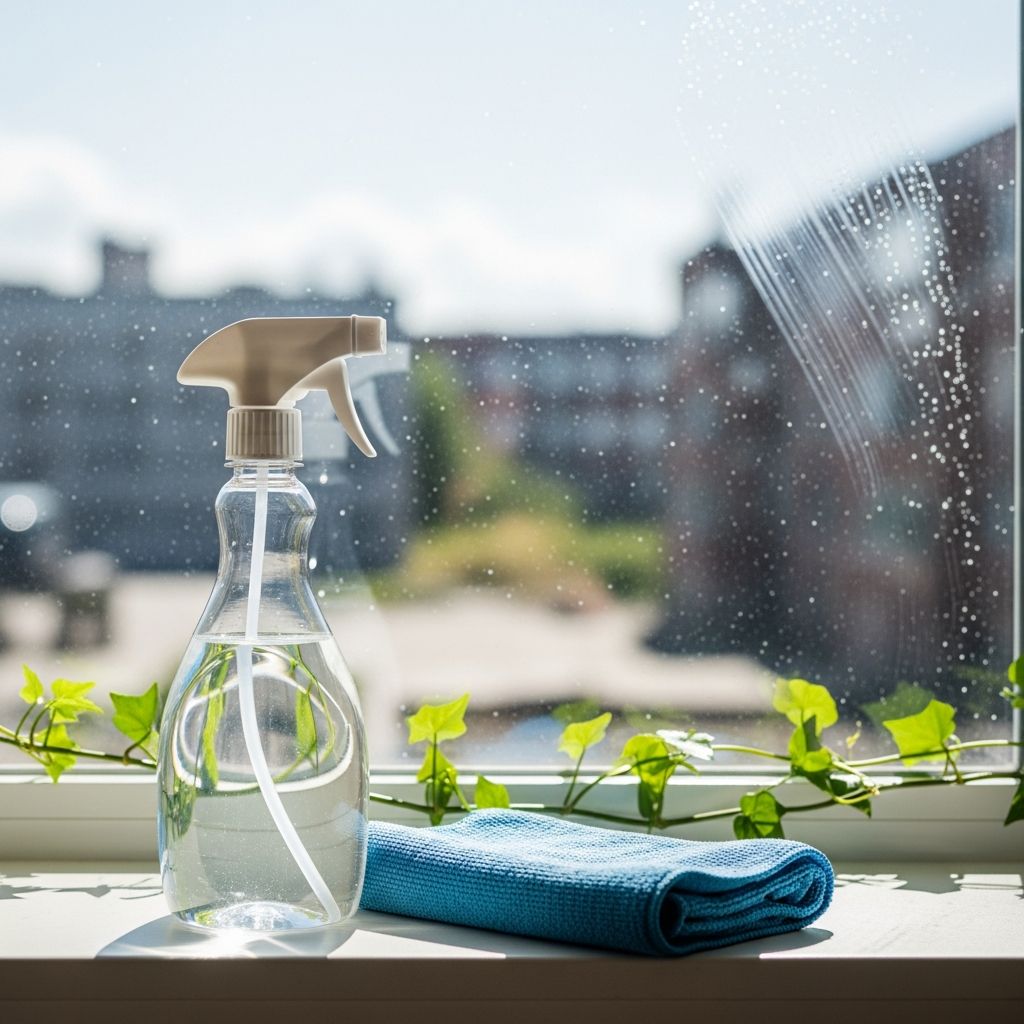
Vinegar serves as a powerful, natural alternative to commercial cleaners for achieving sparkling, streak-free windows. Its acetic acid content effectively dissolves grime, grease, and mineral deposits without harsh chemicals.
Why Vinegar Excels for Window Cleaning
Distilled white vinegar stands out due to its mild acidity, which breaks down tough residues on glass surfaces. Unlike synthetic cleaners, it leaves no harmful residues and is safe for most window frames when diluted properly. Environmentally friendly and budget-conscious, vinegar reduces waste and costs associated with store-bought products. Studies from cleaning science highlight vinegar’s efficacy in sanitizing surfaces, making it ideal for homes seeking non-toxic options.
Key advantages include its ability to cut through fingerprints, bird droppings, and hard water spots. When mixed with water, it evaporates quickly, minimizing streaks if applied correctly.
Gathering Essential Tools and Ingredients
Before starting, assemble these items for efficient cleaning:
- Distilled white vinegar (avoid flavored varieties like apple cider, as they may leave residues)
- Distilled or filtered water to prevent mineral spots
- Spray bottle or bucket for the solution
- Microfiber cloths (lint-free for buffing)
- Squeegee with a rubber blade for large panes
- Soft brush or vacuum with brush attachment for frames and tracks
- Gloves to protect hands from the acidic mix
These tools ensure professional results without scratching glass.
Perfect Vinegar Solutions for Every Need
Different ratios suit various cleaning challenges. Here’s a comparison:
| Solution Type | Ratio (Vinegar:Water) | Best For | Additives (Optional) |
|---|---|---|---|
| Standard Mix | 1:1 | General dirt, fingerprints | None |
| Mild Mix | 1:10 | Light maintenance, interiors | Warm water |
| Heavy-Duty | 1:2 | Tough grime, exteriors | 2-3 drops dish soap |
| Spot Treatment | Full strength | Hard water, stickers | Rubbing alcohol |
To prepare, combine ingredients in a spray bottle, shake well, and label for safety. Use distilled water to avoid spots from tap minerals.
Optimal Timing and Weather Conditions
Clean windows during cool, overcast periods to prevent rapid drying, which causes streaks. Avoid direct sunlight, especially midday, as it evaporates the solution prematurely. Ideal times include early morning, late afternoon, or cloudy days. For exteriors, spring and fall offer moderate temperatures, reducing solution evaporation and physical strain.
Indoor windows can be cleaned anytime with good ventilation to disperse vinegar’s odor.
Step-by-Step Cleaning Process
1. Pre-Clean Preparation
Remove loose dust from frames, sills, tracks, and screens using a vacuum or soft brush. Detach screens and rinse them separately with the mild solution. This prevents grinding dirt into glass during wiping.
2. Apply the Solution
Lightly mist the glass or dip a microfiber cloth. Work in sections, starting at the top to avoid drips on clean areas. Use a zig-zag motion for even coverage.
3. Wipe and Squeegee
For cloth method: Wipe top-to-bottom, then buff with a dry side of the cloth. For squeegee: Pull straight down, wiping the blade after each pass. Overlap strokes slightly.
4. Final Buff and Inspection
Inspect for streaks under light; reapply if needed. Dry edges with a lint-free cloth.
Repeat for both sides of double-pane windows.
Targeted Strategies for Stubborn Stains
- Hard Water Spots: Soak with 1:1 solution for 30 minutes, scrub gently, rinse.
- Greasy Fingerprints: Add dish soap to mix; wipe immediately.
- Bird Droppings or Sap: Pre-soak 10-20 minutes, then scrub.
- Mold on Frames: Full-strength vinegar, dwell 20 minutes, brush off (test wood first).
- Sticky Residues: Vinegar-soaked cloth pressed on for 5 minutes.
Always test solutions on inconspicuous frame areas, especially wood or metal, to avoid etching.
Interior vs. Exterior Cleaning Differences
Interiors: Focus on dust and smudges. Use milder mixes (1:10) to reduce odor. Buff thoroughly for clarity.
Exteriors: Tackle environmental grime. Employ stronger solutions and squeegees for efficiency. Ladder safety is crucial; work with a partner for heights over one story.
Pro Tips to Avoid Common Mistakes
- Don’t overspray; excess liquid leads to drips and streaks.
- Use separate cloths for wet and dry phases.
- Avoid paper towels—they leave lint and micro-scratches.
- Ventilate rooms to manage vinegar fumes.
- For high windows, extendable tools prevent ladder use.
If streaks persist after vinegar, follow with a plain water buff or commercial streak-free product.
Safety Guidelines and Surface Precautions
Wear gloves during extended use. Keep vinegar away from eyes and pets. Rinse frames promptly to protect aluminum, stone, or unsealed wood from acidity. Never mix with bleach—toxic gases form.
Vinegar is safe for glass, vinyl, and painted frames but dilute for sensitive materials.
Maintenance for Long-Lasting Clarity
Weekly spot-cleaning prevents buildup. Quarterly deep cleans keep windows pristine. Combine with regular screen washing for optimal light and views.
Frequently Asked Questions
What’s the ideal vinegar-to-water ratio for windows?
A 1:1 mix balances cleaning power and streak prevention. Adjust for tougher jobs.
Can I substitute apple cider vinegar?
No; it leaves brownish residues. Stick to distilled white.
Is dish soap safe to add?
Yes, a few drops of mild, natural soap boosts grease-cutting without residue.
Why do my windows streak after vinegar?
Usually from direct sun, hard water, or over-application. Use distilled water and proper timing.
How often should I clean windows?
Interiors monthly, exteriors 2-4 times yearly, depending on location.
Enhancing Results with Complementary Methods
Pair vinegar with newspaper for buffing in a pinch (crumple for lint-free polish). For ultra-clarity, follow with rubbing alcohol wipes on edges. Integrate into seasonal home maintenance for efficiency.
Vinegar’s versatility extends to mirrors, appliances, and more, promoting a greener cleaning routine.
References
- How to Clean Windows — Pella Corporation. 2023. https://www.pella.com/ideas/windows/how-to-clean-windows/
- Cleaning Windows with Vinegar for a Streak-Free Shine — Magic Window Cleaning. 2024. https://www.magicwindow.ca/blog/cleaning-windows-with-vinegar-for-a-streak-free-shine-complete-guide
- How to Clean Your Windows With Vinegar — Branch Basics. 2023. https://branchbasics.com/blogs/cleaning/how-to-clean-windows-with-vinegar
- How to Clean Glass With Vinegar — Sunshade Ltd. 2022. https://www.sunshadeltd.com/files/pdfs/Sunshade_-_How_to_Clean_Windows.pdf
Similar Articles



Read full bio of Sneha Tete