Complete Guide to Vinyl Window Trim Replacement
Master the art of replacing vinyl window trim with step-by-step instructions and professional techniques.
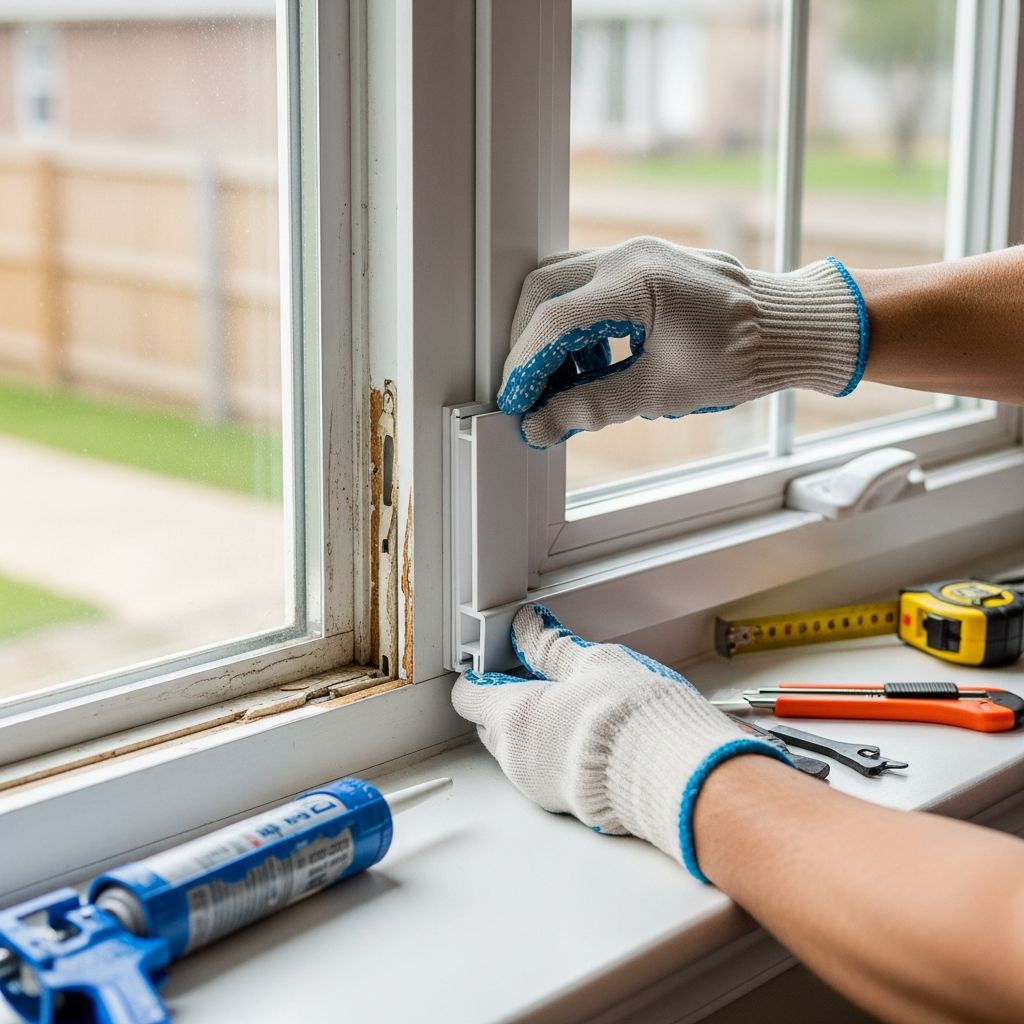
Vinyl window trim serves as both a protective and aesthetic component of your home’s exterior. Over time, trim can deteriorate, become damaged, or simply need updating. Whether you’re dealing with rot damage, aesthetic concerns, or general wear and tear, replacing vinyl window trim is a project many homeowners can tackle with the right knowledge and preparation. This comprehensive guide will walk you through every stage of the vinyl window trim replacement process, from initial planning through final finishing touches.
Understanding Vinyl Window Trim and Its Importance
Vinyl window trim, also known as PVC trim, serves multiple critical functions in your home’s construction. It frames the window opening, provides a finished appearance, and creates a weathertight seal that prevents water infiltration and air drafts. Unlike traditional wood trim, vinyl trim offers superior durability and requires minimal maintenance throughout its lifespan. The material resists rot, decay, and insect damage, making it an increasingly popular choice for home renovations and new construction.
Understanding why vinyl trim matters helps you appreciate the importance of proper installation. A well-installed trim system protects the structural integrity of your window opening and the wall framing behind it. Poor installation or neglected trim can lead to water damage, mold growth, and compromised insulation efficiency. Additionally, quality trim installation contributes significantly to your home’s curb appeal and resale value.
Gathering Essential Materials and Equipment
Before beginning any trim replacement project, assembling all necessary materials and tools is essential. Having everything prepared prevents interruptions and ensures a smoother workflow. Here’s what you’ll need:
Tools Required
- Prybar — Essential for carefully removing old trim without causing wall damage
- Putty knife — Helps pry off stubborn sections and clear away old caulk or debris
- Circular saw or miter saw — Cuts new trim pieces to precise lengths and angles
- Power drill — Secures trim with fasteners and pre-drills pilot holes
- Tape measure — Ensures accurate measurements for cut pieces
- Caulking gun — Applies sealant along trim seams and joints
- Hammer or nail gun — Drives fasteners into trim pieces
- Safety equipment — Protective eyewear, dust mask, and work gloves
Materials and Fasteners
- Vinyl trim boards — Available at hardware stores in standard dimensions matching wood trim sizes
- Finish nails — 2.5-inch nails work well for most vinyl trim applications
- Construction screws — Alternative fastening method for superior holding strength
- Latex or silicone caulk — Creates weathertight seals between trim and frame
- Primer and paint — Many vinyl trims are pre-primed and paintable
- Flashing tape or house wrap — Optional but recommended for additional water protection
Removing Old Vinyl Trim Carefully and Methodically
Careful removal of old trim prevents damage to surrounding walls, windows, and framing. This step requires patience and the right technique rather than brute force.
Identifying Trim Overlap Patterns
Before removing any pieces, examine how the old trim overlaps and connects. Typically, vertical trim pieces extend beyond horizontal pieces, creating an interlocking pattern. Side trim usually overlaps both upper and lower trim sections. Identifying this overlap pattern is crucial because removing pieces in the wrong order can damage portions you want to keep intact. Mark the removal sequence or take photographs for reference.
Removing Trim Pieces Systematically
Start with the topmost overlapping piece and work downward. Insert your putty knife blade into the seam between the trim and window frame, then gently twist the handle to create leverage. This controlled motion lifts the trim away from the frame. Slide the knife along the entire length of the trim piece, working from top to bottom. If resistance occurs, stop and apply gentle pressure rather than forcing the trim, which risks cracking the window frame or nearby wall surface.
For particularly stubborn trim, use a prybar as a secondary tool. Position it behind the trim piece and carefully apply pressure to lift it away. Work methodically along the entire trim perimeter rather than concentrating force on one area. Remove fasteners as you encounter them.
Preparing the Surface After Removal
Once old trim is removed, scrape away remaining caulk, paint drips, and debris using a paint scraper or putty knife. Clean both the inner and outer jamb surfaces. This preparation ensures proper contact between new trim and the window frame, creating a secure installation and effective weather seal.
Measuring and Cutting New Vinyl Trim Pieces
Accurate measurements are critical to professional results. A common saying in construction is “measure twice, cut once,” reflecting the importance of precision before making irreversible cuts.
Taking Precise Measurements
Measure the height of your window opening from the sill to the header, and the width from one side jamb to the other. Take multiple measurements at different points, as some openings aren’t perfectly square. Use the larger measurement to ensure adequate coverage. When cutting pieces, it’s better to have slightly longer trim that requires minor adjustment than pieces that fall short.
Cutting Techniques and Safety
Mark your cut lines clearly on the vinyl trim using a pencil or marker. A fine-tooth saw blade produces cleaner cuts in vinyl than rough blades. For corner cuts, a miter saw provides precise 45-degree angles for professional-looking joints. Always wear protective eyewear and a dust mask when cutting vinyl, as the material produces fine particles. Make cuts outdoors or in a well-ventilated area to minimize dust exposure.
Installing New Vinyl Trim with Precision
Installation quality determines both the aesthetic result and the functional performance of your trim system.
Positioning Trim for Proper Alignment
Begin with your first trim piece, positioning it against the window frame. Check that edges align perfectly with the frame corners and that the piece sits flush without gaps. Make small adjustments as needed before fastening. This dry-fitting process (installing without fasteners) allows you to verify measurements and positioning before making the installation permanent.
Securing Trim with Fasteners
Pre-drill pilot holes in the trim before installing fasteners. This step prevents vinyl from splitting under fastener pressure. Space fasteners approximately 12 to 16 inches apart along each trim piece for even pressure distribution. Use either finish nails or construction screws, depending on your preference. Screws provide stronger holding power, while nails create a more traditional appearance. Drive fasteners at a slight angle rather than perpendicular for improved holding strength.
Maintaining Consistent Gaps and Spacing
As you install successive trim pieces, maintain consistent spacing and alignment. Vertical trim pieces should extend slightly beyond horizontal pieces where they overlap. This overlap pattern sheds water effectively, protecting the joint from moisture infiltration. Check that all pieces fit snugly without forcing them into place, as excessive force during installation can cause warping or cracking.
Sealing and Weatherproofing Your New Trim
A properly sealed trim system keeps water out and maintains the structural integrity of your window installation.
Applying Caulk for Weathertight Seals
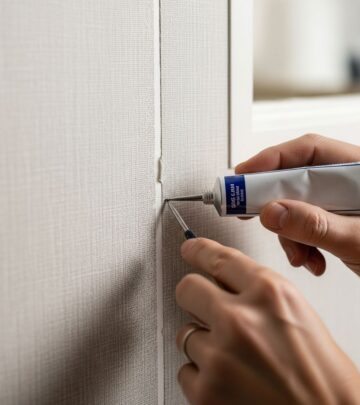
After fastening trim pieces, apply latex or silicone caulk along all seams and joints. Load your caulking gun and apply a steady bead of caulk where trim pieces meet, where trim meets the window frame, and along any gaps between trim and wall. Smooth the caulk with your finger or a caulk smoothing tool, creating a uniform appearance. Wipe away excess with a damp cloth before the caulk dries.
Optional Flashing Installation
For enhanced water protection, especially in climates with heavy rain or snow, consider installing flashing tape or house wrap behind the trim. This secondary barrier catches any water that penetrates the outer trim and directs it downward away from the window opening. Flashing is particularly important on the exterior side of upper trim pieces where water naturally accumulates.
Finishing and Paint Application
The finishing stage transforms your installation into a polished, professional-looking element of your home’s exterior.
Preparing Trim for Painting
Most vinyl trim arrives pre-primed, ready for finish paint. However, inspect your trim for any unprimed sections, particularly where you made cuts. Paint these areas with primer first, as unprimed vinyl won’t accept finish paint properly. Fill any nail holes with paintable caulk or vinyl-compatible filler, allowing it to dry completely before painting.
Selecting and Applying Paint
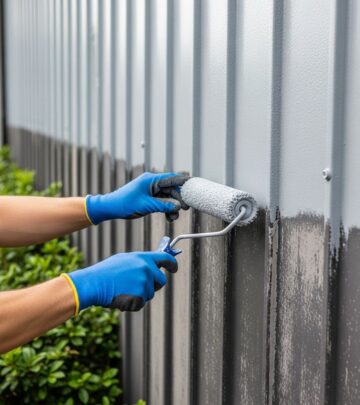
Choose exterior-grade paint formulated for vinyl surfaces. Semi-gloss or high-gloss finishes are popular for trim as they provide durability and easy cleaning. Apply paint in thin coats rather than one thick coat, which can drip and create an uneven appearance. Allow adequate drying time between coats as specified by the paint manufacturer. Two coats typically provide optimal coverage and durability.
Common Questions About Vinyl Trim Replacement
How long does vinyl trim replacement typically take?
A straightforward single-window trim replacement typically takes between two to four hours, depending on your experience level and the condition of the existing trim. More complex installations or multiple windows naturally require additional time. Allowing paint to dry adds extra time to the overall project.
What’s the difference between vinyl and wood trim?
Vinyl trim resists rot, doesn’t require painting for protection, and lasts considerably longer than wood trim. However, vinyl costs more initially. Wood trim offers a traditional appearance and lower initial cost but requires regular maintenance, occasional repainting, and is susceptible to rot and insect damage. Vinyl is increasingly favored for its durability and low-maintenance properties.
Can I install vinyl trim over existing wood trim?
Direct installation over existing wood trim is not recommended unless the wood is in excellent condition. Moisture can become trapped between layers, accelerating wood decay. Always remove old trim completely, inspect the underlying structure, and repair any damage before installing new vinyl trim.
Should I use nails or screws for fastening?
Both work effectively when properly installed. Nails create a neater appearance and are faster to install, while screws provide superior holding strength and don’t work loose over time. For vinyl trim, construction screws specifically designed for the material offer the best long-term performance.
What if my measurements were slightly off?
Minor gaps (less than 1/4 inch) can be filled with caulk, which is a normal part of trim finishing. Larger gaps may require trim piece adjustment or replacement. This is why cutting slightly longer than needed is better than cutting too short.
How do I maintain vinyl window trim?
Vinyl trim requires minimal maintenance. Periodically clean it with mild soap and water to remove dirt and debris. Check caulk seals annually and reapply where cracks have developed. Paint touch-ups may be needed every 5-7 years depending on weather exposure and paint quality. The vinyl material itself rarely requires maintenance beyond these basic tasks.
Troubleshooting Common Installation Issues
Understanding potential problems helps you address them before they compromise your installation.
Trim Not Sitting Flush Against the Frame
If trim pieces don’t sit flat against the frame, the underlying surface may be uneven. Shim behind the trim to create a level base, then fasten through the shims. Alternatively, use flexible caulk to fill larger gaps, which absorbs minor irregularities while maintaining a weathertight seal.
Fasteners Splitting the Vinyl
Always pre-drill pilot holes before driving fasteners into vinyl trim. Pre-drilling prevents the sudden pressure that causes splitting. If splitting occurs, remove the fastener immediately and relocate it slightly to an unaffected area.
Water Damage After Installation
If water infiltration occurs despite new trim installation, inspect the caulk seals for cracks or missing sections. Reapply caulk where needed. Check that fasteners haven’t created gaps where trim no longer sits flush. Ensure overlap joints are properly oriented to shed water downward.
Conclusion: Professional Results Through Proper Planning
Replacing vinyl window trim is a manageable DIY project when approached methodically and with proper preparation. Success depends on careful measurement, patient removal of old trim, precise installation of new pieces, and thorough sealing against moisture infiltration. The durability of vinyl trim means your careful work will provide years of reliable performance and aesthetic appeal. By following these comprehensive steps and techniques, you’ll achieve professional-quality results that enhance your home’s appearance and protection.
References
- PVC Vinyl Trim Boards for Window Replacement — Window Hardware Direct. 2024. https://windowhardwaredirect.com/blogs/news/a-step-by-step-guide-on-how-to-replace-vinyl-window-trim-like-a-pro
- Replacing Rotted Wood Window Trim with PVC Vinyl Trim Boards — Industrial Comfort (Video Guide). 2024. https://www.youtube.com/watch?v=SD3wHG-YI30
- How to Replace Exterior Window Trim and Seal Against Water Damage — PJ Fitzpatrick. 2024. https://www.pjfitz.com/diy/window-replacement/how-to-replace-exterior-window-trim-and-seal-against-water-damage/
- How to Replace a Window Frame in a Vinyl Window — Hansons. 2024. https://hansons.com/blog/how-to-replace-a-window-frame/
- How to Install Replacement Windows — Lowe’s. 2024. https://www.lowes.com/n/how-to/install-a-replacement-window
Similar Articles




Read full bio of medha deb