Wall Preparation Guide After Wallpaper Removal
Master the essential steps to transform damaged walls into a perfect painting canvas
Transforming Your Walls: A Complete Preparation Strategy After Wallpaper Removal
Removing wallpaper represents a significant first step in refreshing your home’s interior spaces, yet the work doesn’t conclude once the paper leaves the wall. The underlying surface often bears evidence of years of adhesive buildup, minor damage, and surface irregularities that demand careful attention before fresh paint application. Understanding the comprehensive preparation process ensures that your new paint finish achieves professional-quality results rather than revealing hidden imperfections beneath the new color.
Understanding Post-Removal Wall Conditions
After wallpaper extraction, walls typically present several challenges that require strategic intervention. Residual adhesive remains the most common issue, as traditional wallpaper paste bonds tenaciously to drywall or plaster surfaces. This leftover glue creates a slick barrier that interferes with paint adhesion, ultimately compromising the durability and appearance of your finished project. Beyond adhesive concerns, the removal process frequently exposes gouges, surface tears, and areas where the underlying material has deteriorated or become compromised during scraping.
The wall’s condition directly influences the timeline and complexity of your preparation work. Walls previously covered with vinyl wallpaper typically present fewer challenges than those that held fabric-backed or specialty products for extended periods. Similarly, walls protected by wallpaper for many years often reveal underlying paint chips, water stains, or plaster deterioration that remained hidden beneath the decorative covering.
Initial Cleaning: Eliminating Surface Contaminants
The first critical phase involves thoroughly cleaning the wall surface to remove all traces of wallpaper paste and debris. This foundational step cannot be rushed, as inadequate cleaning compromises every subsequent preparation phase.
Selecting Appropriate Cleaning Solutions
Warm water combined with mild detergent represents the most effective and economical cleaning approach for most situations. Fill a bucket with warm water, add a small amount of dish soap, and mix thoroughly. Some professionals recommend incorporating a fabric softener solution, which can help dissolve stubborn adhesive residues. For particularly challenging paste buildup, commercial wallpaper removal solutions provide additional cleaning power when diluted according to manufacturer specifications.
Execution of the Cleaning Process
Working in manageable sections—typically three to four feet at a time—dampen a soft sponge in your cleaning solution and gently wipe the entire wall surface. Apply moderate pressure without scrubbing aggressively, as excessive force can damage drywall paper or plaster beneath. Pay particular attention to areas where seams were previously visible, as adhesive often concentrates along these lines. Allow the solution to sit briefly on stubborn spots before wiping, as this dwell time helps soften dried paste for easier removal.
Rinse each cleaned section thoroughly with clean water and a fresh sponge to eliminate soap residue and dissolved adhesive particles. Incomplete rinsing leaves a slippery film that will interfere with subsequent priming and painting steps. After completing the entire wall, allow adequate drying time—typically 24 hours under normal humidity conditions—before proceeding to surface repairs.
Addressing Surface Imperfections and Damage
With the wall thoroughly cleaned and dried, attention shifts toward remedying the various surface irregularities exposed by wallpaper removal. This stage determines whether your finished wall achieves smooth perfection or retains visible texture and inconsistencies.
Identifying and Documenting Problem Areas
Before beginning repairs, conduct a thorough inspection under bright light to identify all imperfections. Walk around the room at various angles, as lighting conditions change how surface problems become visible. Mark problem areas with painter’s tape or lightly penciled notation for systematic treatment. Common issues include:
- Gouges and punctures from scraper tools during wallpaper removal
- Peeling or chipped paint where adhesive removal was aggressive
- Dents or compression marks in drywall
- Cracks or separations in plaster
- Areas where wallpaper seams created permanent texture patterns
- Water stains or discoloration marks
Repairing Holes and Gouges
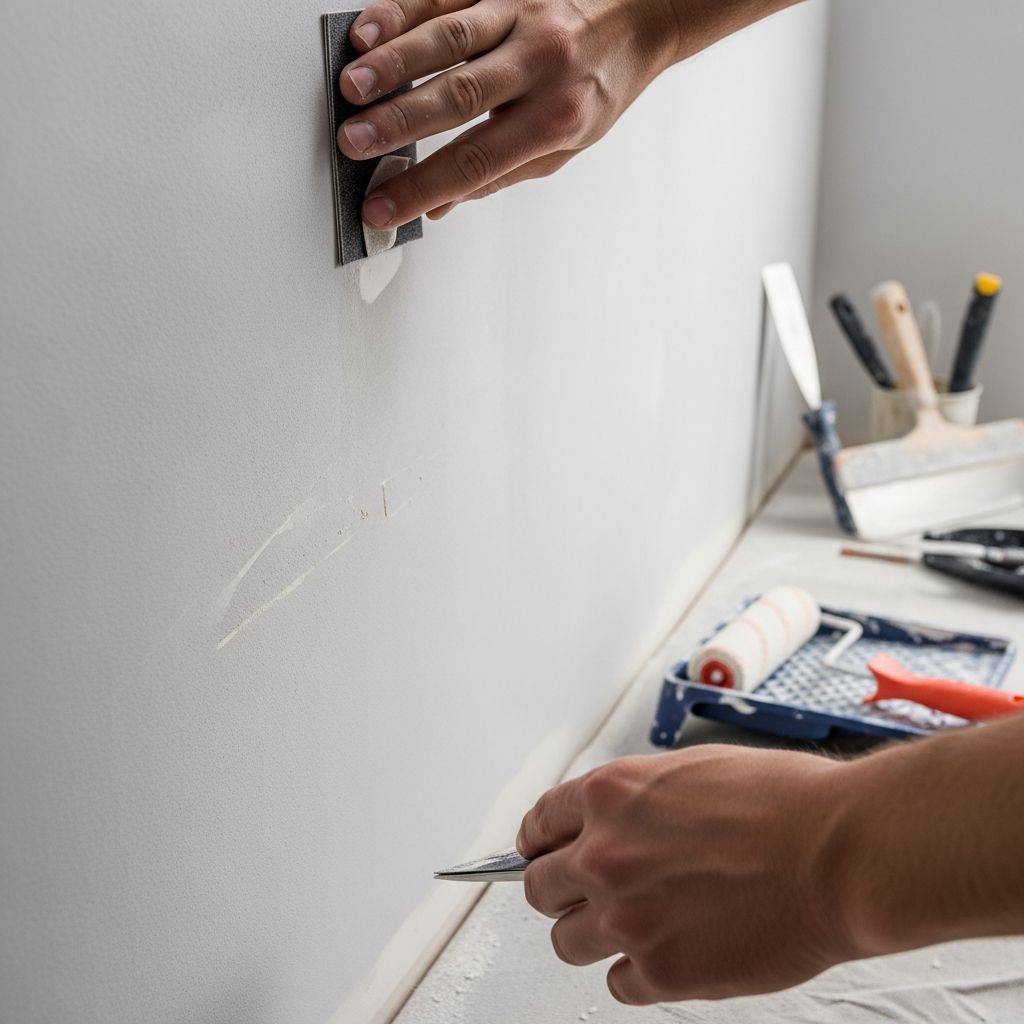
Joint compound, commonly called “spackle” or “filler,” serves as the primary repair material for wallpaper removal damage. This versatile product fills various surface imperfections and can be sanded smooth after drying. For small holes and gouges—typically less than one-quarter inch deep—apply joint compound directly using a putty knife slightly wider than the damage area. Press the compound firmly into the void, scraping excess material flush with the surrounding wall surface.
For deeper damage, apply compound in multiple thin layers rather than attempting to fill the entire depth in a single application. Each layer should dry completely—typically three to four hours—before applying the next coat. This incremental approach prevents cracking and shrinkage that occurs when thick compound layers dry too quickly. After the final layer sets, sand the repair smooth using fine-grit sandpaper (150 grit or higher) wrapped around a sanding block for even pressure and control.
Managing Extensive Surface Irregularities
Walls with numerous imperfections or significant unevenness benefit from a skim coat application—a thin, broad layer of joint compound spread across the entire wall surface. This technique smooths minor variations and creates an even foundation for primer and paint. Mix joint compound to a yogurt-like consistency and apply using a large drywall knife (12 inches or wider), spreading compound at a shallow angle to the wall. Skim coating requires practice to achieve consistent results, but the investment in technique pays substantial dividends in final finish quality.
Sanding for Seamless Surface Preparation
Sanding transforms the repaired wall into a uniformly smooth surface ready for primer application. This seemingly simple step dramatically influences how the final paint finish appears.
Selecting Appropriate Sandpaper and Equipment
Fine-grit sandpaper (120 to 150 grit) effectively smooths joint compound repairs and remaining adhesive residue without generating excessive surface texture. Progress to higher-grit paper (180 to 220 grit) for final finishing passes. Wrap sandpaper around a sanding block or pole sander for even pressure distribution across large surfaces. Hand-sanding small areas and edges provides better control and prevents over-sanding.
Dust Management During Sanding
Sanding generates substantial dust, particularly when wallpaper adhesive residue remains on the wall. The combination of drywall dust and adhesive particles creates a hazardous airborne mixture that irritates respiratory systems and contaminates surrounding areas. Wear a high-quality dust mask rated for fine particles, and consider renting dust-extraction equipment with collection bags that captures particles as you sand. Alternatively, sand during times when you can open windows and doors for ventilation, allowing air circulation to carry dust outdoors.
Sanding Technique and Progression
Sand the entire wall surface using circular motions with medium pressure—aggressive scrubbing removes material too quickly and creates uneven surfaces. Work systematically from ceiling toward floor, completing one wall section before moving to the adjacent area. After sanding the entire wall with medium-grit paper, perform a final pass using high-grit paper to create a smooth, uniform texture. Wipe the walls thoroughly with a tack cloth—a specialized cloth designed to capture fine dust particles—before proceeding to primer application.
Primer Application: Creating an Ideal Paint Foundation
Primer represents the critical bridge between wall preparation and the final paint color application. This specialized coating serves multiple essential functions that primers specifically formulated for previously wallpapered surfaces address particularly effectively.
Understanding Primer’s Critical Role
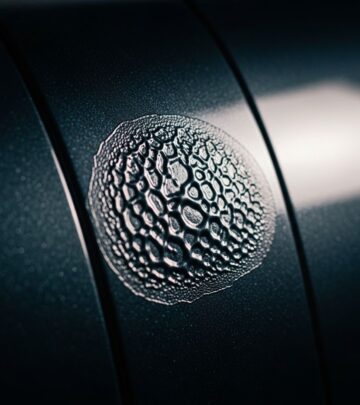
Residual wallpaper adhesive can react chemically with standard paint, creating surface defects including crazing (fine cracking patterns), blistering, or discoloration. Quality primer acts as a barrier layer that blocks these reactions while promoting adhesion between the wall surface and topcoat paint. Additionally, primer seals porous areas created by joint compound repairs, preventing these sections from absorbing paint at different rates than surrounding walls.
Selecting the Appropriate Primer Type
High-adhesion primers specifically formulated for wallpaper removal situations provide superior performance compared to standard primers. These products contain modified resins and bonding agents that adhere tenaciously to glossy wallpaper glue residue while sealing porous drywall and plaster. Multi-purpose latex primers offer budget-conscious alternatives for walls with minimal glue residue, though they may require two coats to achieve adequate coverage and protection.
Primer Application Best Practices
Apply primer using quality brushes and rollers to ensure even coverage and professional results. Paint a two-inch border around room perimeters—ceiling lines, corners, and around trim—using a brush to create a precise edge. Fill in the wall interior using a roller with appropriate nap length (typically three-eighths inch for textured surfaces). Allow primer to dry completely according to manufacturer specifications—typically three to four hours for most latex formulations—before proceeding to paint application.
Essential Preparation Checklist
| Preparation Stage | Primary Activities | Typical Duration |
|---|---|---|
| Wall Cleaning | Remove adhesive residue and debris with warm water solution | 2-3 hours |
| Drying Period | Allow wall to dry completely | 24 hours |
| Surface Repairs | Fill gouges and damage with joint compound | 4-8 hours plus drying |
| Sanding | Smooth all repairs and wall irregularities | 2-4 hours |
| Final Cleaning | Remove dust with tack cloth | 30 minutes |
| Primer Application | Apply primer coat for adhesion and sealing | 2-3 hours |
Frequently Asked Questions
How can I determine if all wallpaper adhesive has been removed?
Run your hand across the wall surface—properly cleaned walls should feel uniform without sticky spots or slick areas. Rub a damp cloth across suspicious sections; if the wall becomes slippery, additional cleaning is required. When adequately clean, the wall should feel slightly textured and absorbent.
Is it necessary to apply primer if the wall appears clean and undamaged?
Yes, primer application is essential even on apparently clean walls. Microscopic adhesive residue remains after cleaning and compromises paint adhesion. Primer seals this residue and prevents later complications including blistering, crazing, or paint peeling.
Can I skip the sanding step if I use a skim coat?
No, sanding follows skim coat application once the compound dries completely. The skim coat creates an even base, but surface sanding is required to achieve the smooth finish necessary for quality paint results.
What causes paint to bubble or peel after wallpaper removal?
Inadequate surface preparation—typically insufficient adhesive removal or skipped primer application—causes most paint failures. Moisture trapped between layers also contributes to blistering. Thorough cleaning and proper primer selection prevent these problems.
How many paint coats are recommended after wallpaper removal preparation?
Two paint coats ensure even color coverage and durability. The first coat establishes base color while the second provides depth and protection. Premium paints may require only one additional coat if primer coverage is excellent, but two coats represent the professional standard.
Conclusion: Achieving Professional Results Through Methodical Preparation
Successfully painting walls after wallpaper removal demands patience and attention to systematic preparation steps rather than rushing toward the visible painting phase. Each stage—from initial cleaning through primer application—builds upon previous work to create conditions where paint adheres properly and finish quality meets professional standards. The time invested in thorough wall preparation yields results that justify the effort: durable, beautiful painted surfaces that retain appearance and integrity for years. By following this comprehensive preparation strategy and addressing each phase methodically, homeowners can confidently transform previously wallpapered walls into flawlessly painted spaces without engaging expensive professional services.
References
- How to Paint Walls After Removing Wallpaper — Sherwin-Williams. 2024. https://www.sherwin-williams.com/en-us/project-center/paint/how-to-paint-after-removing-wallpaper
- Stripping Old Wallpaper – Prep and Paint — Resene. 2024. https://www.resene.co.nz/homeown/painting-your-home/earthquake/stripping_old_wallpaper.htm
- How to Prep a Wall for Painting, After Removing Wallpaper — YouTube. 2023. https://www.youtube.com/watch?v=0HKvXZy_VC8
Similar Articles



Read full bio of medha deb