Wall Texturing Mastery Guide
Unlock professional wall textures at home with simple tools, joint compound, and creative techniques for stunning room makeovers.
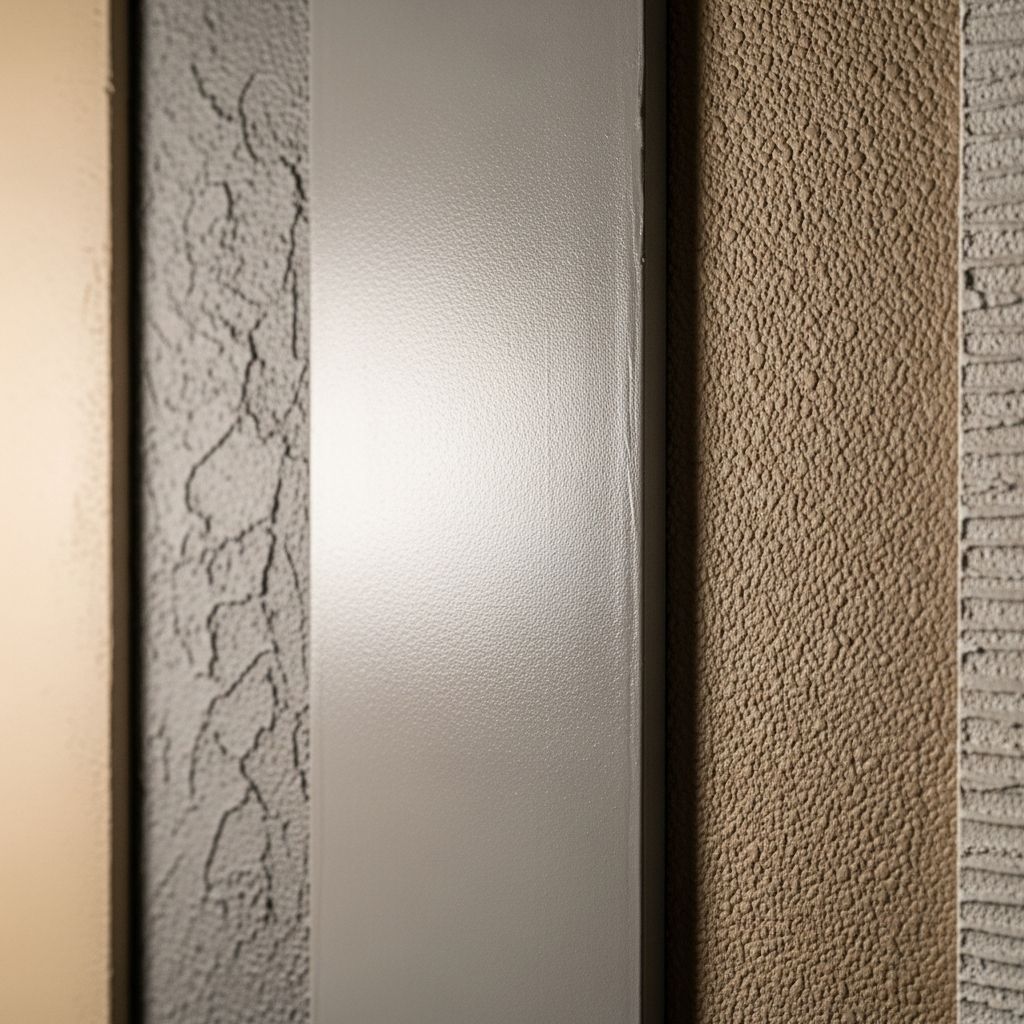
Adding texture to walls elevates ordinary spaces into dynamic environments that capture light, conceal flaws, and infuse personality. This comprehensive guide explores accessible DIY approaches using everyday materials like joint compound and basic tools, enabling homeowners to achieve professional results without specialized equipment.
Why Texture Your Walls?
Textured finishes offer practical and aesthetic advantages. They mask surface imperfections such as dents or uneven drywall joints, reducing preparation time compared to smooth painting. Acoustically, textures diffuse sound waves, improving room clarity in open areas. Visually, they create depth and shadow play that flat walls lack, making spaces feel larger or more intimate depending on the pattern chosen.
- Hide imperfections: Bumps and cracks disappear under raised surfaces.
- Enhance lighting: Shadows accentuate patterns, adding drama.
- Boost durability: Textures resist wear better in high-traffic zones.
- Customize style: From subtle to bold, match any decor theme.
Essential Materials and Tools
Gather these items before starting to ensure smooth execution. Most are available at hardware stores for under $50 total.
| Category | Items | Purpose |
|---|---|---|
| Base Materials | Joint compound (pre-mixed or powder), primer, paint | Creates the textured layer; primer seals drywall. |
| Tools | Trowel, putty knife, roller (thick-nap), sponge (sea or synthetic) | Applies and shapes compound precisely. |
| Specialty | Notched trowel, stomp brush, hopper gun (optional) | Produces specific patterns like comb or slap. |
| Prep & Finish | Drop cloths, sandpaper, painter's tape, mixing bucket | Protects floors and refines edges. |
Pro tip: Thin joint compound with water to pancake batter consistency for easier application—test on scrap drywall first.
Preparation Steps for Flawless Results
Success hinges on clean, stable surfaces. Skip this, and texture may peel or crack.
- Clean thoroughly: Wipe walls with TSP substitute to remove grease and dust; rinse and dry fully.
- Repair damage: Fill holes with spackle, sand smooth once dry.
- Prime surface: Apply drywall primer to promote adhesion, especially over glossy paint.
- Protect area: Cover floors, furniture, and trim with drop cloths and tape.
- Test pattern: Practice on cardboard to perfect your technique.
Allow 24 hours drying between primer and texture application for best bonding.
Popular Texturing Techniques
Sponge Texture: Effortless Organic Patterns
Ideal for beginners, this method mimics natural stone or plaster using a simple sea sponge. No heavy compound needed for faux effects.
- Mix joint compound to drippy consistency with drill mixer.
- Dip sponge generously, blot excess on rim.
- Press and twist onto wall in overlapping motions for irregularity.
- Vary pressure for thick/thin areas; refill often.
Dry time: 24 hours. Paint with eggshell sheen to highlight texture. Sea sponges yield organic shapes; synthetics create uniform dabs. For corners, slice sponge into strips.
Knockdown Texture: Modern Subtlety
A favorite for contemporary homes, knockdown starts coarse then flattens peaks for a velvety finish.
- Roll or spray joint compound thinly.
- Wait 10-15 minutes until tacky.
- Sweep 10-15° angle with wide knife, flattening 50% of peaks.
- Avoid over-scraping to retain dimension.
Complete one wall at a time for consistency. In large rooms, knockdown immediately after slapping. Pairs well with warm neutrals.
Comb and Slapped Patterns: Artistic Lines
Create linear drama with toothed tools. Comb drags produce fan-like grooves; slapping adds stipple before knockdown.
Comb Steps:
- Roll compound evenly.
- Drag notched trowel in arcs or waves while wet.
- Practice curves on test board for symmetry.
Slap Brush: Stamp brush in loops from ceiling down, overlapping rows. Knockdown after partial dry for hybrid effect.
Roller and Spray Methods: Speed and Coverage
For efficiency, roll compound then re-roll after 15 minutes to lift peaks, forming 3D ridges. Thick-nap rollers amplify effect.
Spray with hopper gun (rentable) for popcorn or orange peel: Thin mix, adjust air for splatter density. Prime first as mixes are white.
Faux Finishes: Paint-Only Textures
Skip compound for quick results. Rag rolling: Base coat, then roll wadded fabric in accent paint for mottled depth.
- Burlap: Rustic weave.
- Cheesecloth: Soft haze.
- Lace roller: Delicate motifs.
Smooshing: Glaze wall, press plastic sheeting, peel for marbling. Wood graining tool drags veins over glaze.
Advanced Tips for Professional Polish
Elevate your work with these strategies:
- Layering: Apply thin coats; sand between for smoothness.
- Color contrast: Dark base under light texture pops shadows.
- Ceiling adaptation: Use extension poles; lighter mixes prevent drips.
- Repairs: Match texture with spray touch-up kits.
- Safety: Ventilate for compound dust; wear masks.
Add sand to paint for subtle grit without compound.
Common Mistakes and Fixes
| Mistake | Cause | Fix |
|---|---|---|
| Uneven coverage | Rushed spraying | Work wall-by-wall; slow even passes. |
| Cracking | Too-thick application | Thin layers; proper primer. |
| Loss of pattern | Over-knocking | Light pressure; practice stroke. |
| Poor adhesion | Dirty walls | Deep clean and prime always. |
Finishing and Maintenance
Prime textured walls before painting to seal pores. Satin or eggshell sheens showcase depth without glare. Clean with damp cloth; avoid abrasives. Refresh every 5-7 years.
FAQs
Can I texture over existing paint?
Yes, if glossy, sand lightly and prime. Strip old heavy texture first.
How long does texture last?
10+ years with quality application; durable in kids' rooms.
Is a hopper gun necessary?
No—sponge or roller alternatives work great for DIY.
Best paint for textured walls?
Satin for washability and shadow enhancement.
Cost to texture a room?
$50-150 DIY for 12×12 room, including materials.
References
- How to Texture Walls — The Home Depot. 2023-01-15. https://www.homedepot.com/c/ab/how-to-texture-walls/9ba683603be9fa5395fab9058a49604
- 11 Types of Wall Texture and How to Create Each — Bob Vila. 2024-05-20. https://www.bobvila.com/articles/wall-texture-types/
- How to Texture A Wall DIY Easy and Cheap — YouTube (Sherri Fox). 2022-11-10. https://www.youtube.com/watch?v=iF-wJurKg04
Similar Articles








Read full bio of Sneha Tete