Warm Woods & Cozy Corners: A Fresh Guide to Cabin Décor
Transform any cabin into a relaxed, nature-inspired retreat with smart, modern rustic décor.
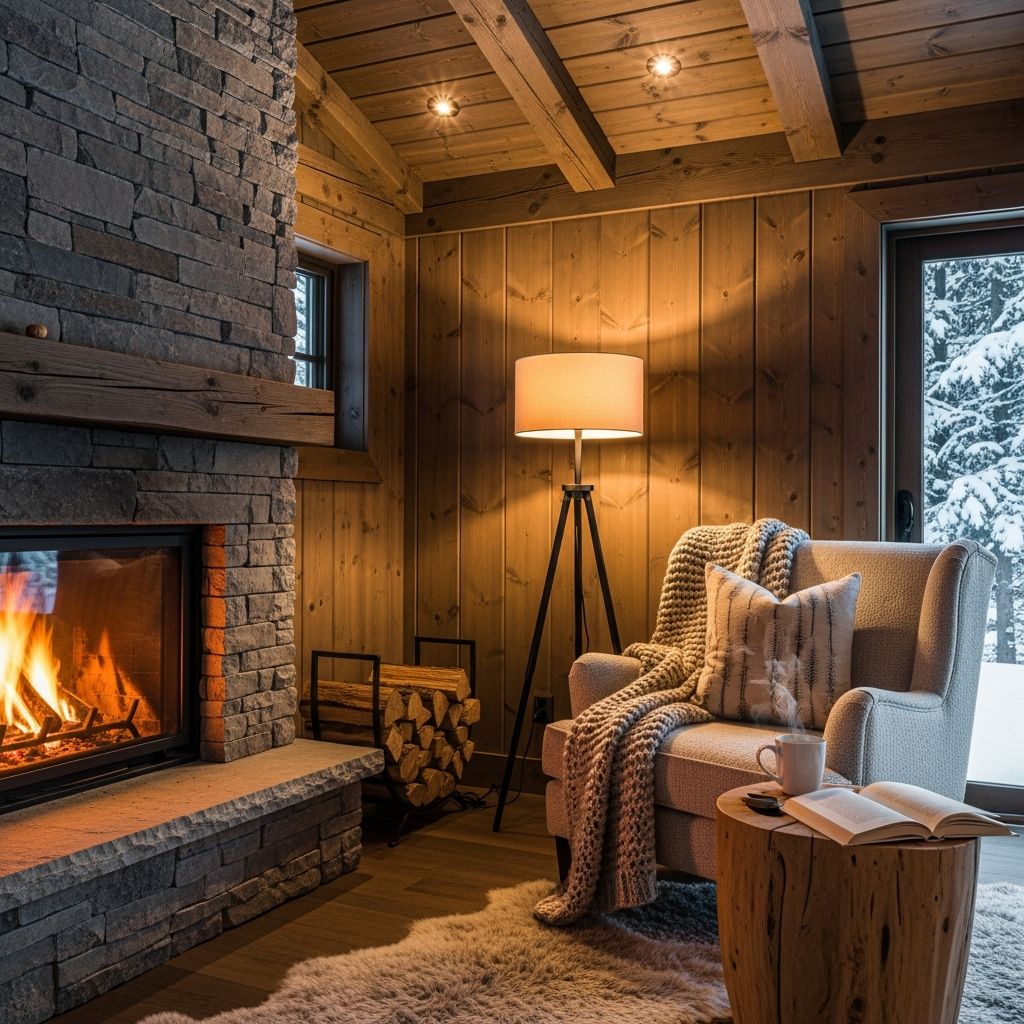
Cabin décor is all about creating a space that feels grounded in nature yet comfortable enough for everyday living. Whether the cabin is a weekend escape in the woods, a lakeside hideaway, or a full-time residence, thoughtful design turns it into a place that genuinely restores and inspires.
This guide explores how to shape a cohesive, modern rustic look using color, materials, layout, lighting, textiles, and accessories—without sacrificing personality or practicality.
Defining Your Cabin Style Vision
Before choosing furniture or paint colors, clarify the mood you want the cabin to evoke. A clear vision prevents impulse purchases and helps every room feel like part of the same story.
Clarify the mood you want
Ask how the cabin should feel when people walk in the door. Calm and spa-like, rugged and adventurous, or playful and family-friendly? Each mood suggests different materials, colors, and décor accents.
- Relaxed retreat: Soft neutrals, minimal patterns, and plush textures keep the space serene.
- Traditional rustic: Warm woods, stone accents, plaids, and vintage pieces create a lodge-like atmosphere.
- Modern cabin: Clean lines, restrained color, and a mix of matte black, wood, and natural fibers feel fresh yet grounded.
Consider how the cabin is used
The way you use the cabin should directly shape the décor decisions. A short-term rental, for example, benefits from durable surfaces and simple layouts, while a personal getaway can handle more specific, personal touches.
- Family hub: Focus on stain-resistant fabrics, flexible seating, and storage for games, gear, and seasonal clothing.
- Romantic escape: Emphasize layered lighting, soft bedding, and intimate seating for two.
- Rental property: Prioritize easy-to-clean finishes, neutral palettes, and a few bold, photogenic details for listing photos.
Cabin-Friendly Color Palettes
Cabin walls and textiles often share space with a lot of natural wood, so color choices should complement—not compete with—those warm tones. Think of color as the backdrop that supports views, textures, and architectural features.
Earthy neutrals that calm
Neutrals are ideal when you want the focus on outside views or striking architectural details like beams or stone fireplaces. They also make it easier to mix old and new pieces without clashing.
- Soft greige, mushroom, and stone tones for walls.
- Cream, oatmeal, and camel for larger upholstery pieces.
- Charcoal and deep brown as grounding accents for rugs and frames.
Accent colors inspired by nature
Nature offers a ready-made palette that feels timeless in a cabin. Choosing hues you can literally point to outside the window keeps the interior feeling connected to the site.
- Forest greens: Great for cabinetry, accent walls, or artwork.
- Lake blues: Perfect for textiles, pottery, and smaller furniture pieces.
- Autumn reds and ochres: Use sparingly in throws, pillows, and patterned rugs to add energy without overwhelming.
| Cabin Type | Base Colors | Accent Colors | Best For |
|---|---|---|---|
| Mountain retreat | Warm taupe, stone gray | Forest green, rust | Highlighting rock and timber elements |
| Lakeside cabin | Soft white, sandy beige | Navy, slate blue | Keeping interiors bright and breezy |
| Forest hideaway | Olive, deep brown | Mustard, terracotta | Blending cabin with dense foliage |
Materials That Make a Cabin Feel Authentic
What people often respond to in cabins is the tactile experience: cool stone, warm wood, nubby wool, and smooth leather. Mixing textures and natural materials can elevate even a small or simple structure.
Wood, stone, and metal done right
Creep away from perfectly matched sets and toward a curated mix. Slight variations between woods and finishes keep rooms from looking flat or overly staged.
- Wood: Use lighter species on ceilings or large cabinetry if the room feels dark; reserve darker stains for smaller pieces or accent walls.
- Stone: A stone hearth, tile entryway, or stacked-stone backsplash adds visual weight and an unmistakable rustic note.
- Metal: Blackened steel, wrought iron, and aged brass work well for hardware, lighting, and small décor.
Comforting textiles and natural fibers
Textiles soften hard surfaces, control echo, and invite people to linger. They also offer a low-risk way to experiment with color and pattern.
- Layer wool or cotton rugs over wood floors for warmth and sound absorption.
- Choose linen or cotton curtains to frame views without completely blocking light.
- Mix chunky knit throws, faux-fur blankets, and down-filled pillows for cozy lounging zones.
Smart Layouts for Small and Large Cabins
Cabins often have open layouts or compact footprints, and both can be challenging to furnish. Strategic planning ensures the space feels functional rather than cluttered or cavernous.
Creating zones in open plans
In a one-room cabin or open great room, zones help define activities: cooking, dining, reading, and gathering. Use furniture placement and lighting instead of building walls.
- Float the sofa so its back faces the kitchen, subtly separating cooking and lounging.
- Anchor the dining table with a low-pile rug and a pendant light centered above.
- Carve out a reading corner with a single armchair, floor lamp, and small side table.
Making the most of compact cabins
In smaller cabins, every choice needs to earn its keep. Slim profiles, multi-functional pieces, and vertical storage keep traffic flowing and clutter under control.
- Use benches with hidden storage for boots, blankets, or extra linens.
- Opt for nesting tables and folding chairs for flexible seating.
- Run shelving or cabinets to the ceiling to take advantage of vertical space.
Lighting: From Dim Lodge to Glowing Retreat
Lighting is one of the most transformative elements in cabin décor. A thoughtfully layered plan keeps the mood cozy at night and bright enough for tasks during the day.
Three layers of light
Think in layers rather than relying on a single overhead fixture. Each layer plays a distinct role in making the cabin comfortable and versatile.
- Ambient lighting: Ceiling fixtures, chandeliers, or track lighting to evenly illuminate a room.
- Task lighting: Reading lamps, under-cabinet kitchen lights, and desk lamps for focused work.
- Accent lighting: Wall sconces, cabinet strip lights, or picture lights to highlight architectural details and art.
Lighting styles that suit cabins
The fixtures themselves contribute significantly to the cabin’s character. Choose styles that echo the rest of your décor without overwhelming the space.
- Simple metal pendants with warm bulbs above kitchen islands or dining tables.
- Rustic or contemporary chandeliers in double-height great rooms.
- Lantern-inspired sconces near entryways or on either side of a fireplace.
Furniture: Balancing Comfort and Durability
Cabin furniture should withstand heavy use, occasional mud, and plenty of lounging. The goal is a mix of sink-in comfort and rugged practicality.
Choosing core pieces
Invest in a few sturdy, comfortable items first, then add accent furniture over time. Starting with the basics keeps the space from getting overfilled.
- A deep, medium-firm sofa in a performance fabric or leather.
- At least one accent chair positioned near a window or fireplace.
- A solid wood coffee table that can double as a casual dining or game surface.
Mixing new finds with vintage character
Vintage or second-hand pieces add soul and keep a cabin from feeling like a furniture showroom. When mixing pieces from different eras, repeating a few finishes creates cohesion.
- Refinish or reupholster heirloom chairs to blend them with newer pieces.
- Use one type of wood tone or one metal finish in every room as a unifying thread.
- Group small items like stools or side tables in pairs or trios for more visual impact.
Textiles that Add Warmth and Personality
Textiles are the easiest way to refresh a cabin each season or gradually refine the style. They are also a smart place to introduce pattern and color without long-term commitment.
Layering for comfort
Layering prevents the stark or overly rustic feel that bare wood sometimes creates. The key is mixing scale and texture so the room feels interesting but not chaotic.
- Combine one large-scale pattern (area rug), one medium-scale pattern (throw or quilt), and several smaller patterns (pillows) in complementary colors.
- Use runners on long hallways or beside beds for warmth underfoot.
- Rotate heavier blankets and flannel bedding in winter and lighter cotton or linen in warmer months.
Patterns that suit cabin life
Pattern is where cabin décor can lean playful, classic, or minimal. The trick is to pick a theme and repeat it subtly in more than one place.
- Checks, plaids, and stripes for a traditional, camp-like look.
- Geometric or Native-inspired motifs for a bolder, graphic direction, used consciously and respectfully.
- Botanical prints, leaf motifs, or subtle animal silhouettes to echo the outdoors.
Wall Décor and Personal Touches
Cabin walls offer a chance to tell the story of the place and the people who use it. Aim for a curated feel instead of filling every inch with décor.
Art, photography, and objects
Pick wall pieces that connect to the location or to activities you enjoy there. This keeps the décor from feeling generic and makes the cabin feel truly yours.
- Landscape photography of nearby trails, lakes, or mountains.
- Framed maps, trail guides, or vintage postcards from the region.
- Mounted gear like paddles, skis, or snowshoes used as functional art.
Open shelving and display surfaces
Open shelves and mantels are ideal for rotating collections with the seasons. Keeping some empty space between objects prevents visual clutter.
- Display a mix of books, ceramic pieces, natural elements (pinecones, stones), and small framed photos.
- Group items by color or material to keep the arrangement cohesive.
- Change a few items seasonally to keep the cabin feeling fresh without major redecoration.
Entryways, Mudrooms, and Gear Storage
The entry is where cabin life often gets messy—think boots, coats, fishing rods, and skis. Designing this area well keeps the rest of the cabin welcoming and tidy.
Practical foundations
Start with surfaces that can handle mud, snow, and wet gear. Durable, wipeable materials make cleanup easy after outdoor adventures.
- Use tile, stone, or sealed wood flooring near doors.
- Add absorbent, washable rugs just inside and outside the entrance.
- Install hooks at multiple heights for coats, hats, and bags.
Smart storage ideas
When storage is well thought out, it’s easier to keep the cabin in order even with guests and kids. Designate specific spots for frequently used items.
- Bench seating with cubbies or baskets beneath for boots and slippers.
- Labeled bins or crates for seasonal gear like snowshoes or life jackets.
- Wall-mounted racks for skis, paddles, or fishing poles to keep floors clear.
Outdoor-Indoor Flow: Decks, Porches, and Views
Many cabin memories are made just outside the door—on porches, decks, and around fire pits. Extending your décor outdoors makes the property feel larger and more cohesive.
Furnishing porch and deck spaces
Outdoor furnishings should be durable but still comfortable enough that people choose to sit outside. Treat decks and porches like open-air living rooms.
- Use weather-resistant seating with washable cushions in colors that tie back to the interior palette.
- Add small side tables for drinks, books, and lanterns.
- Define distinct areas for dining and lounging with rugs or different furniture groupings.
Highlighting and preserving views
One of the best features of many cabins is their view. Décor choices should frame, not fight, those sightlines.
- Keep window treatments minimal or easy to fully open during the day.
- Place seating where it faces windows, decks, or fire pits.
- Use low, open-back furniture near major windows to avoid blocking the landscape.
FAQs About Cabin Décor
How can I decorate a cabin on a small budget?
Start by concentrating on a few high-impact areas: the living room seating, the bedding in main bedrooms, and the lighting. Use inexpensive upgrades like new pillow covers, thrifted blankets, and second-hand wooden side tables to gradually build character. Paint and rearranging existing furniture are low-cost changes that can instantly make a cabin feel more intentional.
What if the cabin has too much dark wood?
Balance heavy log walls or dark beams with lighter textiles, reflective surfaces, and strategic lighting. Introduce light rugs, cream or white bedding, and soft window coverings to brighten the look. Where possible, use table lamps and floor lamps to create pools of warm light that break up shadowy corners.
Which patterns are considered “too much” in a cabin?
Cabins can handle a good amount of pattern, but the key is editing. Aim to repeat no more than three main patterns in a single room and vary their scales so they don’t compete. If the rug is bold and colorful, keep larger furniture solid and introduce only subtle motifs in smaller accents.
How do I keep a rental cabin feeling personal but guest-friendly?
Use décor that reflects the area—landscape art, regional maps, or locally made pottery—without relying only on personal photos or memorabilia. Include a few thoughtful touches like a well-stocked game basket, extra throws, and a small welcome note. Stick to a cohesive color palette so the space photographs well for rental listings.
Is modern décor out of place in a traditional log cabin?
Modern pieces can actually highlight the rustic character of a traditional cabin when used thoughtfully. Clean-lined sofas, simple black fixtures, and minimalist artwork contrast beautifully with rough wood and stone. The key is maintaining warmth through color and texture so the overall effect still feels inviting rather than stark.
Thoughtful cabin décor is less about following strict rules and more about responding to the landscape, the architecture, and the way you like to live. By focusing on warmth, durability, and personal meaning, any cabin can become a welcoming retreat that ages gracefully—and feels better with every season you spend there.
Similar Articles








Read full bio of Sneha Tete