Water Meter Installation: Complete Guide
Master the essentials of water meter installation with expert techniques and best practices.
Understanding Water Meter Installation Fundamentals
Installing a water meter is a critical undertaking that requires careful planning, precise execution, and attention to detail. Whether you are replacing an existing meter or installing one for the first time, understanding the fundamental principles of water meter installation ensures proper functionality and compliance with local plumbing codes. A water meter serves as the critical interface between your home’s water supply system and the municipal water network, measuring consumption accurately and maintaining water quality throughout your residence.
The installation process varies depending on several factors, including the type of meter being used, the existing plumbing configuration, and local regulatory requirements. Different regions may have specific guidelines that must be followed to ensure your installation meets code standards and operates safely.
Pre-Installation Assessment and Planning
Before beginning any water meter installation work, a comprehensive assessment of your current plumbing system is essential. Start by locating your main water shut-off valve, which is typically positioned where the water service line enters your home. This valve must be in proper working condition, as it serves as your safety mechanism during the entire installation process.
Next, evaluate the physical space where the meter will be installed. Consider factors such as accessibility for future maintenance, proximity to electrical outlets if your meter requires power, adequate drainage provisions, and sufficient clearance for service technicians to work comfortably. The location should protect the meter from extreme temperatures, direct sunlight, and potential physical damage while remaining easily readable for meter readers or remote monitoring systems.
Key Pre-Installation Considerations
- Verify the main water shut-off valve operates smoothly and completely stops water flow
- Measure the existing lay length to ensure compatibility with the new meter
- Check for rust, sediment, or debris in the water service line before installation
- Identify the water flow direction indicators on both the old and new meters
- Ensure proper ventilation and drainage around the installation area
- Document the existing meter reading if replacing an old unit
- Gather all required tools and materials before starting work
Essential Tools and Materials
Proper preparation includes assembling all necessary tools and materials before beginning installation. Having everything available streamlines the process and minimizes the time during which your water supply is disrupted.
| Category | Tools/Materials | Purpose |
|---|---|---|
| Fastening Hardware | Union nuts, couplings, elbows, gaskets | Connect pipes and secure meter components |
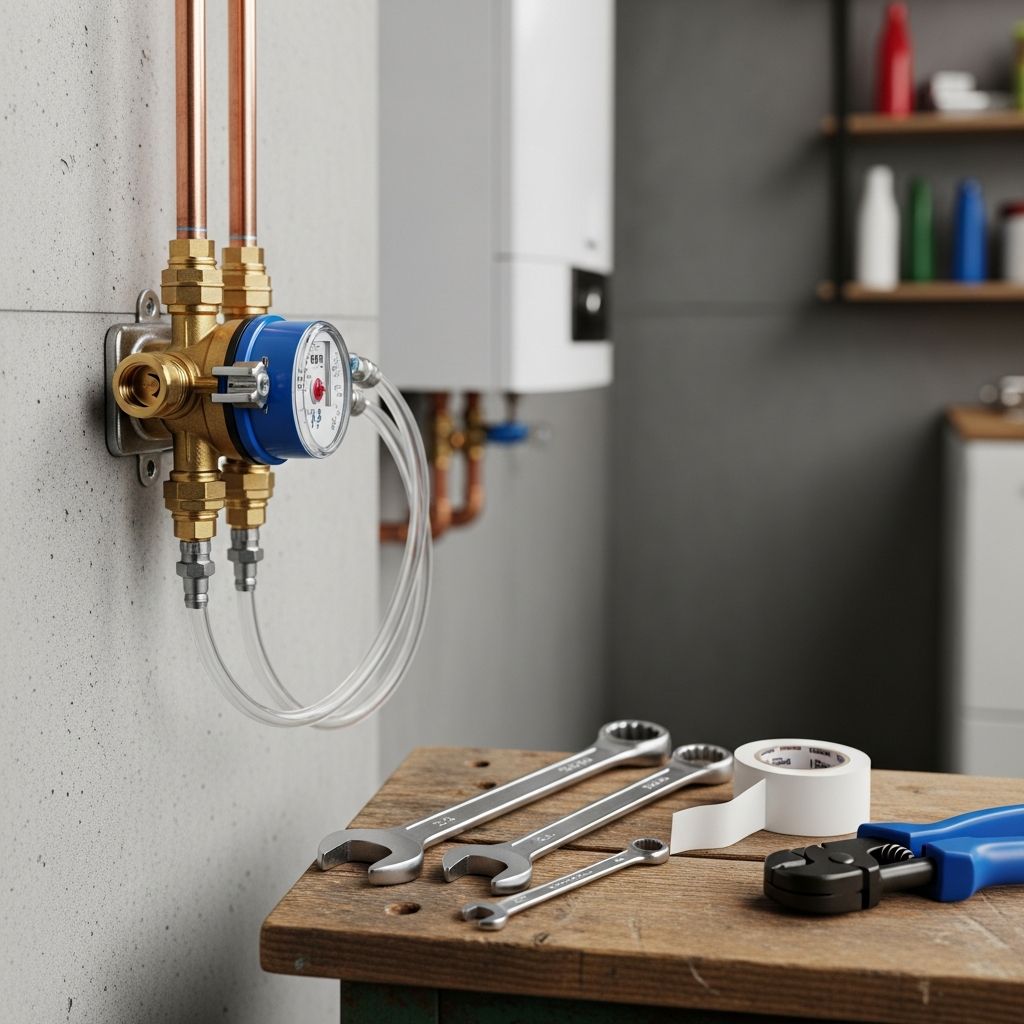
| Sealing Materials | Teflon tape, pipe joint compound, new rubber gaskets | Create watertight seals and prevent leaks |
| Hand Tools | Pipe wrench, crescent wrench, adjustable spanner | Tighten and loosen connections |
| Safety Equipment | Cloth, container for water drainage, towels | Manage water discharge and protect surroundings |
| Testing Equipment | Level, flow indicator chart, inspection cloth | Verify proper installation and alignment |
Preparing Your Home’s Water System
The preparation phase is critical to a successful installation. Begin by turning off the main water supply valve located where the service line enters your home. Turn this valve clockwise until it stops, ensuring complete water shut-off. Allow any residual pressure to dissipate by opening a nearby faucet and letting water drain until the flow stops completely.
For installations that involve replacing an existing meter, you may need to flush the service line to remove accumulated rust, sediment, and debris. To do this safely, turn the main shut-off valve back on slightly and allow water to flow at a slow rate through an open drain or faucet located downstream of the meter location. Continue this flushing process for several minutes, then turn off the valve again before proceeding with removal of the old meter.
If your existing meter is still functional, carefully document its final reading. This information is important for ensuring accurate transition of water usage records and can help verify that your new meter’s initial reading is reasonable. When removing an old meter, be prepared for some residual water to spill from the pipes, so position a bucket or towel beneath the connections.
Understanding Water Meter Connections
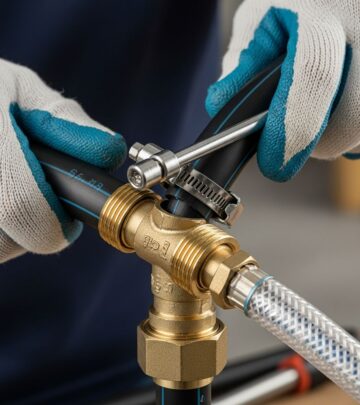
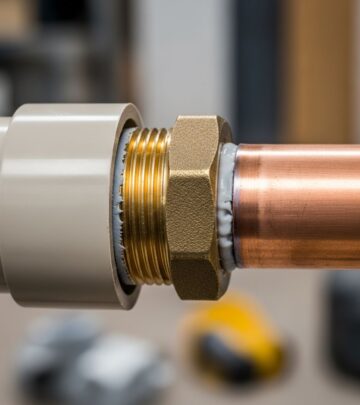
Water meter connections require understanding the specific fitting types and proper assembly sequences. Most residential meters use threaded connections with union nuts that allow for easy removal without disturbing the surrounding plumbing. Each connection point must be sealed properly to prevent leaks that could damage your home or waste water.
The inlet side of the meter (city side) connects to the incoming water supply line, while the outlet side (home side) connects to your internal plumbing system. Each connection requires a rubber gasket that creates a watertight seal when compressed between the fitting and the meter body. Always verify that gaskets are properly seated before tightening connections.
Never use a wrench to initially thread connections together. Instead, hand-tighten all connections first to ensure they are not cross-threaded. Cross-threading occurs when threads on the fitting and meter become misaligned during initial tightening, and attempting to force a cross-threaded connection damages both the fitting and the meter, requiring replacement. Once hand-tightened to finger-tight position, you may use appropriate wrenches to complete final tightening with moderate pressure.
Installing Reducing Bushings and Washers
Many water meter installations require reducing bushings when the meter size differs from your service line diameter. A reducing bushing adapted the larger service line diameter to match the meter’s smaller connection port. Install the bushing onto the city side fitting with a new washer positioned between the bushing and the meter connection point. This washer must be properly seated and compressed during tightening to create a complete seal.
Apply Teflon tape or pipe joint compound to threaded portions of all connections. Wrap Teflon tape clockwise around the male threads approximately three to four times, ensuring complete coverage. This tape fills microscopic gaps in the thread pattern, providing additional sealing capacity and preventing leaks. When using pipe joint compound, apply a thin, even coating to threaded portions, avoiding excessive amounts that could contaminate your water supply if forced into the system during tightening.
Step-by-Step Installation Process
With your system prepared and connections understood, you are ready to begin the actual installation. Follow these steps in sequence to ensure proper meter installation that complies with plumbing codes and functions reliably.
Connection Assembly Phase
- Install the reducing bushing onto the meter’s inlet (city) side connection, hand-tighten first
- Place a new rubber gasket into the angle stop fitting located on your service line
- Connect the meter to the reducing bushing, hand-tighten until snug
- Install a new washer into the meter’s outlet (home) side nipple fitting
- Connect your internal plumbing to the outlet nipple, hand-tightening initially
- Verify all connections are hand-tight before proceeding to wrench tightening
Final Tightening and Sealing
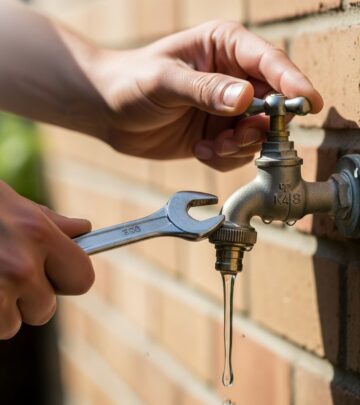
Once all connections are hand-tightened, use two appropriately-sized wrenches to complete final tightening. Position one wrench on the fitting being tightened and a second wrench on the meter connection point to prevent the meter from rotating. Tighten with moderate pressure, being careful not to over-tighten, which can crack fittings or meter ports. A typical meter installation requires only finger-tight plus one-quarter turn with wrenches for complete sealing without damage.
Verifying Proper Flow Direction
Before restoring water flow, identify the flow direction indicator on your meter. Most meters have an arrow or directional marking printed on the casing that indicates the proper direction for water to flow through the device. Your meter must be oriented so that water enters through the inlet (city) side and exits through the outlet (home) side in the direction of the arrow. Installing a meter backward prevents accurate measurement and may void manufacturer warranties.
Cross-reference the meter’s flow direction marking with the physical layout of your piping to confirm water will flow in the correct direction. This simple verification prevents significant problems later and ensures the meter will function as designed.
Restoring Water Flow and Testing
With the meter properly installed and all connections tightened, you are ready to restore water flow. Open the main shut-off valve slowly, monitoring the meter and connections for any visible leaks. Allow the valve to open gradually for approximately thirty seconds, giving the system time to pressurize slowly and any trapped air to be expelled through open faucets inside your home.
Open a nearby cold water faucet on the highest floor of your home to allow trapped air to escape from the system. This air purging is essential because air pockets can cause water pressure fluctuations and prevent accurate meter operation. Keep the faucet open until water flows smoothly without sputtering or air sounds, then close the faucet and turn the main valve fully open.
Inspect all meter connections carefully with a dry cloth, looking for any moisture or active drips. Dry the connections thoroughly and observe them for several minutes to confirm that no new moisture appears. Run water at several fixtures throughout your home to verify that water pressure is normal, temperature control works properly, and the meter registers flow in the correct direction on its display.
Advanced Installation Scenarios
Some installations present unique challenges that require additional considerations beyond basic meter installation. These scenarios may include non-invasive meter systems, plumbing configurations with water chillers, or installations in commercial or multi-unit residential properties.
Non-invasive water meters offer significant advantages for certain applications because they clamp onto existing pipes without requiring cuts, connections, or specialized plumbing modifications. These systems use advanced sensing technology to measure flow through the pipe wall, allowing installation without disrupting water service. Non-invasive meters are particularly valuable for retrofitting existing systems or situations where traditional meter installation is impractical.
Installations involving water chillers or temperature monitoring systems require additional electrical connections and specialized junction boxes. These systems must be configured with proper power supply connections, flow verification, and pump direction confirmation before full operation. Follow manufacturer specifications precisely for any meter system that includes electrical components, as improper electrical installation can create safety hazards or equipment damage.
Common Installation Mistakes to Avoid
Understanding common installation errors helps you prevent problems that compromise system function or create safety hazards. Cross-threading connections ranks among the most frequent mistakes, causing permanent damage to both the meter and fittings. This problem is entirely preventable by hand-tightening all connections first and proceeding slowly when initial tightening begins.
Installing meters backward remains a surprisingly common error that prevents accurate measurement and may damage the meter’s internal mechanism. Always verify flow direction markings before final installation and double-check physical orientation before completing final tightening.
Inadequate sealing at connection points causes slow leaks that damage surrounding materials and waste water over time. Ensure that all gaskets are properly seated, apply appropriate sealant tape to threads, and avoid over-tightening, which can crack gaskets and create leaks paradoxically.
Failing to flush the service line before installation introduces sediment and rust particles that accumulate inside the new meter, reducing accuracy and potentially causing internal blockages. The simple step of flushing takes only minutes but prevents significant long-term problems.
Restoring water flow too quickly creates pressure surges that can damage the meter and pipes. Opening the main valve gradually allows the system to pressurize evenly and provides time for trapped air to escape harmlessly.
Frequently Asked Questions
Q: What is the typical lifespan of a residential water meter?
A: Most residential water meters remain accurate and functional for 15 to 20 years, though this varies based on water quality and usage patterns. Many municipalities require meter replacement or certification at regular intervals regardless of apparent function.
Q: Can I install a water meter myself, or must I hire a professional plumber?
A: Local regulations vary significantly. Some jurisdictions allow homeowners to perform installations on their own properties, while others require licensed plumber installation or inspection. Check with your local water utility and building department before beginning work.
Q: What should I do if water leaks from meter connections after installation?
A: Turn off the main water valve immediately. Allow the system to depressurize completely, then dry all connections thoroughly. Identify which specific connection is leaking, then slightly tighten that connection an additional one-quarter turn. Restore water flow and recheck. If leaking continues, the connection may be cross-threaded and require professional replacement.
Q: Why is it important to flush the service line before meter installation?
A: Flushing removes accumulated sediment, rust particles, and debris from the service line. These particles can lodge inside the new meter, reducing accuracy, increasing wear on internal components, and potentially creating blockages that restrict water flow.
Q: How do I know if my meter is installed correctly and functioning properly?
A: Verify that the meter is level, all connections are dry and leak-free, the flow direction arrow aligns with water flow direction, and the meter display changes when water flows through the system. Run water at multiple fixtures and confirm the meter registers increased flow appropriately.
Q: What size Teflon tape should I use for water meter connections?
A: Standard white Teflon tape, commonly referred to as plumber’s tape or thread seal tape, is appropriate for water meter installations. Wrap it around threaded portions three to four times clockwise, ensuring complete coverage of the thread pattern.
Q: Do I need special tools for water meter installation?
A: Basic plumbing hand tools are sufficient for most residential meter installations, including adjustable wrenches, pipe wrenches, and a level. More complex installations or commercial applications may require specialized equipment.
References
- Operator & Installation Manual: Water Meters (WM600) — Baxter Manufacturing. 2022-10-22. https://www.baxtermfg.com/sites/default/files/webdam-assets/WM600%20Water%20Meter%20Oper%20&%20Install%20Manual%20F36817%20(10-22).pdf
- Getting It Right the First Time: Water Meter Installation Guide — E.J. Prescott, Inc. https://www.ejprescott.com/blog/getting-it-right-the-first-time-water-meter-installation-guide
- How to Install and Use a Non-Invasive Water Meter — Bluebot. https://www.bluebot.com/how-to-install-and-use-a-non-invasive-water-meter/
- How to Install a Water Submeter (of any type) — SimpleSUB Water. https://www.simplesubwater.com/resources/how-to-install-a-water-submeter
Similar Articles


Read full bio of Sneha Tete