Ways to Clean Slime from Carpet and Clothes
Master the art of slime removal with expert techniques for carpet, clothes, and furniture.
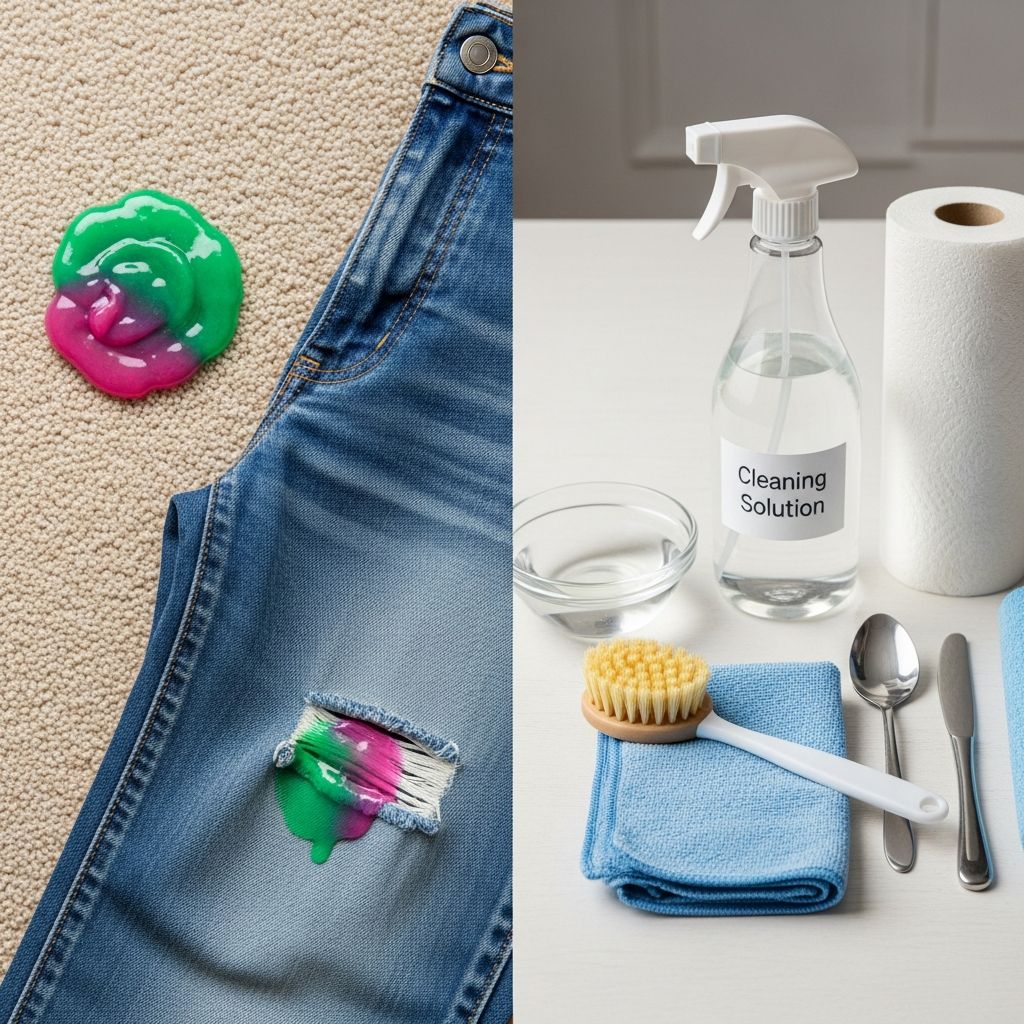
Slime has become a beloved craft activity for children and adults alike, offering hours of creative fun and stress relief. However, the joy of making slime often comes with an inevitable challenge: accidental spillage on carpets, clothing, and furniture. While slime’s sticky nature might seem like a nightmare for homeowners, removing it is entirely possible with the right approach and household materials. This comprehensive guide will walk you through proven methods to eliminate slime stains from virtually any surface in your home.
Understanding Slime and Why It’s Difficult to Remove
Slime is primarily composed of adhesive ingredients like glue, often combined with food coloring, glitter, and various activators. These components make slime particularly challenging to clean because the sticky base bonds strongly to fabric fibers and carpet threads. Unlike paint or nail polish, slime isn’t toxic, but its adhesive properties require specific treatment methods to break down the bond without damaging the underlying surface. Understanding slime’s composition helps explain why certain cleaning solutions work better than others.
How to Remove Slime from Carpet
Carpet represents one of the most common places where slime ends up, and fortunately, it’s one of the most treatable surfaces when addressed promptly. The key to successful slime removal from carpet lies in acting quickly and using the appropriate technique for whether the slime is wet or dried.
Removing Wet Slime from Carpet
Fresh slime spills on carpet require immediate attention for the best results. Follow these steps to effectively remove wet slime:
Step 1: Scrape Off Excess Slime
Begin by carefully scraping off any visible slime using your fingers or a butter knife. Avoid rubbing the slime into the carpet fibers, as this will embed it deeper into the material and make removal significantly harder. Work gently and deliberately, removing only the excess surface material.
Step 2: Apply a Soaking Solution
Once you’ve removed the bulk of the slime, treat the remaining stain with one of these effective solutions:
- A mixture of a few drops of Dawn dish soap with warm water
- Equal parts white vinegar and water
- Plain club soda
- Rubbing alcohol and water in a 3:1 ratio
Step 3: Let It Soak
Cover the soaked slime stain with a wet cloth and allow it to sit for approximately one hour. This soaking period gives the cleaning solution time to break down the adhesive properties of the slime.
Step 4: Brush and Scrub
After the soaking period, use a stiff-bristled brush to agitate the remaining slime residue. Work the brush in circular motions to loosen any remaining slime particles still embedded in the carpet fibers.
Step 5: Blot Clean
Use a clean white damp cloth to blot the area, removing any remaining soap, vinegar, or slime residue. Blotting is preferable to wiping, as it prevents the solution from spreading the stain further. Continue blotting until the carpet is clean and only slightly damp.
Step 6: Air Dry
Allow the treated area to air dry completely. You can accelerate this process by opening windows or placing a fan nearby to improve air circulation.
Removing Dried Slime from Carpet
If you discover slime stains days after the initial spill, don’t worry—dried slime can still be removed with patience and the right technique.
The Ice Cube Method for Dried Slime
The ice cube method is particularly effective for dried slime because cold temperatures harden the material, making it more brittle and easier to scrape away:
- Scrape off any loose slime pieces using your fingers or a butter knife, being careful not to damage carpet fibers
- Place several ice cubes directly on the dried slime stain
- Allow the ice to melt into the carpet material for a few minutes
- As the slime hardens from the cold, use your scraping tool to remove it
- Repeat the ice application as needed until all slime is removed
The Rehydration Method
Alternatively, you can rehydrate dried slime to return it to a wet state:
- Cover the dried slime stain with a warm, wet cloth (ensure it’s thoroughly wet, not just damp)
- Leave the cloth in place for approximately five minutes
- Gently blot at the slime stain without rubbing
- Continue blotting until the slime transfers onto the cloth
- Follow the wet slime removal process from this point forward
Professional Treatment for Stubborn Stains
If the slime stain persists after these methods, consider using a steam cleaner combined with a professional stain removal agent. Many carpet cleaning services offer specialized treatments that can eliminate even the most stubborn slime stains without damaging your carpet.
How to Remove Slime from Clothing
Finding slime on your child’s favorite shirt is frustrating, but clothing can often be saved with proper treatment. The key is to avoid washing the item in hot water immediately, as this can set the stain permanently.
The Soak-It-Out Method
This method works well for most common fabrics like cotton and polyester:
- Scrape off excess slime using a butter knife, removing as much surface material as possible
- Pour white vinegar or rubbing alcohol directly onto the slime stain
- Allow the solution to soak for approximately five minutes
- Use a stiff-bristled brush to scrub away remaining slime particles
- Blot the area with a clean, damp white cloth
- Launder the clothing as usual using your regular detergent and water temperature appropriate for the fabric
The Freeze-It-Out Method
The freeze method is excellent for delicate fabrics and prevents potential damage from harsh chemicals:
- Scrape off excess slime with a butter knife
- Grab one or more ice cubes, depending on the stain size
- Rub the ice directly over the slime spots until they harden and become brittle
- Use your scraping tool to remove the hardened slime
- If discoloration remains, soak the spot in warm water mixed with oxygen-based whitener for thirty minutes
- Apply a stain remover to any remaining discoloration before washing
- Launder normally in appropriate water temperature for your fabric type
Special Considerations for Delicate Fabrics
For silk, wool, or other delicate materials, always check the care label before beginning any slime removal process. Use lukewarm water instead of hot water, and consider hand-washing rather than machine washing. When using the freeze method on delicates, allow extra time for ice to harden the slime, as gentle handling is essential to avoid fabric damage.
How to Remove Slime from Upholstery and Furniture
Furniture and upholstery require particularly careful handling when dealing with slime, as aggressive scrubbing or harsh chemicals can damage the material permanently.
General Upholstery Treatment
- Gently scrape away excess slime using a spoon or butter knife with no sharp edges
- Place ice cubes on the remaining slime and allow them to harden the material
- Carefully scrape away the hardened slime residue
- For any discoloration, spritz white vinegar, club soda, or rubbing alcohol directly onto the stain
- Allow the solution to sit for five minutes without over-soaking the upholstery
- Blot gently with a clean, damp white cloth
- Air dry completely by opening windows or using a fan
Fabric-Specific Recommendations
Different upholstery materials require different approaches. Polyester is generally easier to clean than natural fibers. For leather or stained wood furniture, use only the damp distilled water method and exercise extra patience, as these materials are more susceptible to damage. Always test any cleaning solution on an inconspicuous area first to ensure it won’t cause discoloration or material damage.
Using Distilled Water
When cleaning upholstery, opt for distilled water rather than tap water. Tap water contains mineral deposits that can leave additional stains on hardwood and fabric surfaces, potentially creating a secondary cleaning problem.
How to Remove Slime from Hair
Getting slime trapped in hair is nearly as problematic as gum entanglement, but cutting it out should be a last resort. Fortunately, slime can be removed from hair with patience and the right approach.
Begin by having your child take a long, hot shower. The warm water helps soften the slime and makes it more pliable. Use a generous amount of conditioner, working it through the hair sections containing slime. The conditioner acts as a lubricant, helping to break down the slime’s adhesive properties and making it easier to comb through. Gently work through the slime with your fingers or a wide-tooth comb, gradually working out the slime strands. Rinse thoroughly and repeat if necessary until all slime is removed.
Recommended Cleaning Solutions Comparison
| Cleaning Solution | Effectiveness | Surface Compatibility | Cost | Best For |
|---|---|---|---|---|
| White Vinegar & Water (1:1) | High | Most surfaces | Very Low | Carpet, clothing, upholstery |
| Rubbing Alcohol & Water (3:1) | High | Most surfaces | Low | Carpet, clothing, furniture |
| Club Soda | Medium | Most surfaces | Medium | Quick treatment option |
| Dish Soap & Warm Water | Medium | Most surfaces | Very Low | Initial treatment, gentle option |
| Ice Cubes | High for dried slime | All surfaces | Free | Dried slime, delicate fabrics |
Prevention Tips to Avoid Future Slime Disasters
While slime removal is manageable, prevention is always preferable. Designate a specific slime-making area with protective coverings or old tablecloths spread across the surface. Require children to wear old clothing when making slime, and consider using washable, non-staining slime recipes. Keep slime containers tightly sealed and stored in a designated location away from high-traffic areas. These simple precautions can significantly reduce the likelihood of slime accidents throughout your home.
Frequently Asked Questions About Slime Removal
Q: Is slime toxic or harmful to my family?
A: While slime itself is not toxic, many homemade slime recipes contain ingredients like borax or contact solution that should be kept away from very young children. Always supervise slime-making activities and follow age-appropriate recipes.
Q: What should I do if slime stain won’t come out after trying these methods?
A: If home remedies don’t work, contact a professional carpet or upholstery cleaning service. They have access to industrial-strength cleaning agents and equipment specifically designed to handle stubborn stains.
Q: Can I use hot water to clean slime stains?
A: Hot water can be used for carpets and robust fabrics, but avoid it for delicate materials like silk or wool. For clothing, use lukewarm water until you’re certain the slime is completely removed, then launder normally.
Q: How long does it take to remove slime from carpet?
A: Fresh slime typically takes 1-2 hours to remove using the soaking method, while dried slime may require multiple ice applications spread over 30 minutes to an hour.
Q: Will vinegar damage my carpet or furniture?
A: Vinegar is generally safe for most carpets and upholstery when diluted properly. However, always test on an inconspicuous area first, especially on delicate or light-colored fabrics.
Q: Can I use a vacuum on fresh slime?
A: Never vacuum fresh slime, as it will clog your vacuum and cause damage. Only vacuum after the carpet has completely dried and any remaining residue has hardened or been removed.
References
- How to Get Slime Out of Carpet and Everywhere Else it Ended Up — Homemade Simple. Accessed December 2025. https://www.homemadesimple.com/in-the-home/remove-slime-stains/
- How to Get Slime Out of Carpet, Clothes, and More — Reviewed by USA Today Network. Accessed December 2025. https://www.reviewed.com/cleaning/features/how-get-slime-out-carpet-clothes-and-more
Similar Articles


Read full bio of Sneha Tete