Ways to Humidify Your House Without a Humidifier
Natural and DIY methods to add moisture to your home during dry winter months.
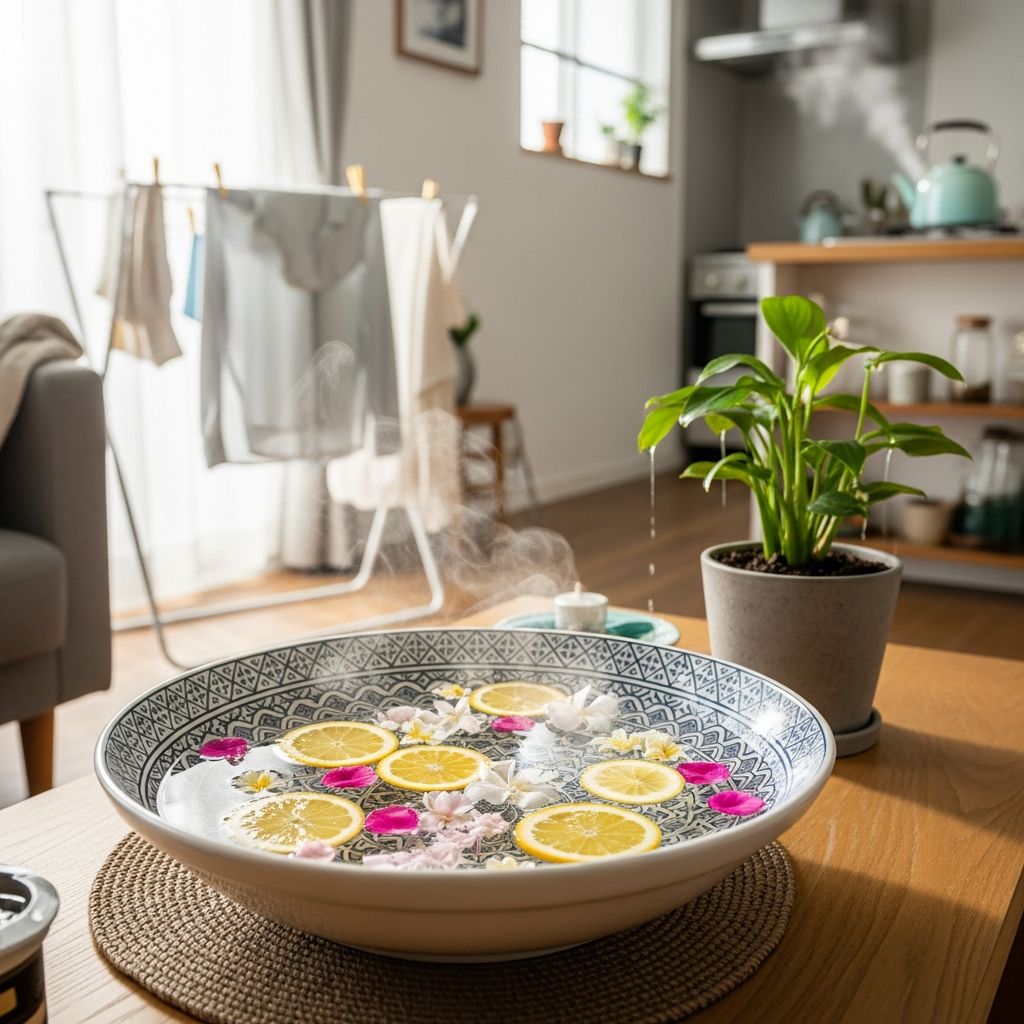
During the cold winter months, our heating systems work overtime to keep our homes warm and comfortable. However, this heated air has a significant drawback: it extracts moisture from the environment, creating excessively dry indoor conditions. The resulting low humidity levels can lead to uncomfortable physical symptoms like cracked skin, stuffy noses, and persistent headaches. Beyond personal discomfort, dry air also takes a toll on your home itself, causing damage to wooden furniture, hardwood floors, and cherished houseplants.
While commercial humidifiers offer a solution, they come with notable drawbacks. These devices can be expensive to purchase and equally costly to operate, driving up your energy bills. Additionally, many humidifiers are designed for single-room use, limiting their effectiveness throughout your entire home. Fortunately, there are numerous practical, budget-friendly alternatives that can effectively increase humidity levels in your living spaces. These DIY and natural methods use items you likely already have at home, making them both economical and environmentally conscious choices.
Use the Stove for Instant Humidity
One of the most effective and straightforward methods to add moisture to your home is using your kitchen stove. This simple technique harnesses the power of evaporation to quickly increase humidity levels. By heating a kettle of water or boiling a pot of water for cooking pasta, you create steam that rises into the air and mixes with your home’s atmosphere.
The process is straightforward: simply allow the water to boil for several minutes for optimal results. As the water reaches its boiling point, it transforms into steam and water vapor, which then disperses throughout your living space. This method is particularly effective in kitchens and adjacent rooms, where the moisture can quickly spread. For enhanced results, you can leave the pot simmering on low heat to maintain a steady release of steam. Just ensure you monitor the water level and refill as needed to prevent the pot from running dry. This method is not only effective but also practical since you’re likely heating water for cooking or beverages anyway.
Leverage Plants to Improve Air Quality
Houseplants serve a dual purpose when it comes to managing home humidity and air quality. While withered and browning plant leaves are often the first visible sign of excessively dry air in your home, these same plants can help combat the problem they indicate.
Plants naturally release water vapor into the air through a biological process called transpiration. In this process, plants absorb water through their root systems, and while some of this water is used for growth and nutrients, the majority is released back into the air through tiny pores in the leaves called stomata. Although the humidity contribution from a single plant may be minimal, the cumulative effect of multiple houseplants throughout your home can noticeably improve moisture levels.
Beyond humidity management, houseplants offer additional benefits. They improve overall indoor air quality by absorbing carbon dioxide and releasing oxygen, making breathing easier in dry environments. Popular humidity-boosting plants include Boston ferns, peace lilies, spider plants, and pothos. Positioning these plants strategically throughout your home in sunlit areas maximizes their transpiration output and adds aesthetic appeal to your living spaces.
Take Advantage of Your Shower
Your bathroom shower is an underutilized humidity resource that can quickly transform your home’s moisture levels. Showers naturally generate significant amounts of steam and humid air, creating ideal conditions for moisture distribution throughout your home.
The technique is simple but effective: when showering, leave your bathroom door open or open it immediately after you finish. This allows the warm, moist air generated during your shower to permeate into adjacent rooms and throughout your home, creating an instant humidity boost. The key to maximizing this method is ensuring that your bathroom exhaust fan remains off during and after your shower. If the exhaust fan is running, it will pull the humid air directly outside, eliminating the humidity-boosting benefits. By leaving the fan off and keeping doors open, you allow the moisture to stay in your home where it can effectively increase humidity levels. This method is particularly effective in homes with open floor plans where air can circulate freely between rooms.
Place Containers of Water on Heat Sources
This time-tested technique represents one of the oldest and most reliable DIY humidification methods available. By strategically placing containers of water near or on heat sources throughout your home, you can harness thermal energy to create natural evaporation and consistent humidity increases.
The specific placement depends on your home’s heating system. For wood stoves and hot-water radiators with flat surfaces, place a sturdy ceramic or metal pot directly on top of the heat source. The intense heat will cause the water to evaporate rapidly, releasing substantial moisture into the air. When handling these containers, always use well-insulated potholders or heat-resistant gloves, as they will become extremely hot.
For homes with wall vents or wall-mounted electric heat registers, place a heat-safe bowl of water on the floor beside the heating source. The warm air flowing from these vents will gradually heat the water and cause evaporation. You can also place decorative bowls filled with water on radiator covers or near heating ducts. Regardless of the specific heat source in your home, the fundamental principle remains the same: heat accelerates water evaporation, and that evaporated moisture increases ambient humidity. Remember to refill containers regularly as water levels diminish through evaporation.
Reconsider Your Laundry Drying Methods
While throwing wet laundry into the dryer offers convenience, this common practice actually works against your goal of increasing home humidity. Clothes dryers remove moisture from garments and expel it outside your home through ventilation ducts, further reducing indoor humidity levels.
Instead of using the dryer, hang your laundry on a drying rack placed in a central location within your home. As wet clothes air dry, they gradually release the water they contain into the surrounding air. This passive method continuously adds moisture to your indoor environment while your clothes dry. Beyond humidity benefits, air drying also extends the lifespan of your clothing by reducing wear and tear from the dryer’s tumbling action. Additionally, the gentle air-drying process is more energy-efficient and reduces your utility bills. You can enhance the aesthetic appeal by selecting a decorative drying rack that complements your home décor, turning a functional necessity into a stylish home accent.
Utilize Sunlight and Decorative Vases
Transform your favorite decorative vases into functional humidity tools by leveraging natural solar energy. This elegant method combines practicality with home décor enhancement.
Fill your chosen vase with water and position it on a sunny windowsill where it receives direct sunlight throughout the day. As the sun warms the vase and the water within it, natural evaporation occurs, releasing moisture into the surrounding air. This method requires minimal maintenance and provides a low-cost solution to dry air problems. The vase itself adds visual interest to your window display while serving a practical purpose.
For optimal results, monitor water levels and refill the vase approximately two to three times weekly, depending on seasonal conditions and how much direct sunlight your windows receive. During particularly sunny periods, you may need to refill more frequently due to increased evaporation rates. This method works especially well in rooms with large, south-facing windows that receive substantial daily sunlight.
Add an Aquarium or Water Feature
Introducing aquatic elements to your home provides dual benefits: natural humidity increase and visual interest. Fish tanks and aquariums passively generate moisture through water evaporation, creating a continuous source of indoor humidity.
Whether you choose a large tank filled with tropical fish, a simple goldfish bowl, or a small aquarium housing a box turtle, humidity naturally escapes from these water sources into the surrounding air. For optimal humidity release, remove the tank lid or open flip-down lids for several hours daily, allowing water vapor to freely evaporate into your home. The idea underlying this method is that any large water source, whether heated or not, produces some humidity as water molecules naturally evaporate.
Indoor water features like small tabletop fountains or bubblers offer another engaging option. These decorative pieces introduce water into the air through the movement and splashing of water. Beyond their humidity-boosting capabilities, studies have shown that the sound of running water provides stress reduction and promotes relaxation, making these features serve multiple purposes in your home environment.
Make a Homemade Humidifier
For a more engineered approach to home humidification, you can construct your own humidifier using basic household materials and items you likely already possess.
Materials Needed:
- Waterproof basin or plastic tub
- Bath towel
- Small fan
- An old kitchen chair
Step-by-Step Instructions:
- Position the chair so it faces a wall and is within reach of a standard electrical outlet
- Place the waterproof basin or tub next to the back of the chair
- Fill the basin with several inches of water
- Dampen the bath towel thoroughly with water
- Position one end of the towel in the water basin and drape the other end over the back of the chair
- Place the small fan on the chair seat, facing it toward the towel, and set it to low speed
This DIY humidifier works by creating air circulation through the damp towel. As air from the fan passes through the wet towel, moisture evaporates and disperses throughout the room. The damp towel acts as a wick, continuously drawing water from the basin upward while the fan’s airflow carries the moisture-laden air into your living space. This setup effectively mimics commercial humidifiers at a fraction of the cost, requiring only basic materials and minimal assembly time.
Alternative Homemade Humidifier Design:
Another popular DIY approach uses a glass or bowl with a cloth or sponge wick. Insert a skewer or wooden dowel through the top of a sponge and lower it into a container of water, or balance the skewer across the rim of a bowl and drape cloth into the water. Fill the container until the lower portion of the wick is submerged. Position a small fan to blow air toward the setup, and the circulating air will carry evaporated moisture throughout the room. This compact design works well for smaller spaces and can be easily moved between rooms as needed.
Additional Simple Humidity-Boosting Tips
Use Your Dishwasher Strategically
Your dishwasher is an untapped humidity resource. During the wash cycle, steam naturally releases into the surrounding air as dishes are cleaned. For the drying cycle, crack open the dishwasher door slightly and allow dishes to air dry. This simple action releases additional steam into your kitchen and adjacent areas, providing a passive humidity boost while your dishes dry.
Boil Water Regularly
Simple cooking practices can contribute to maintaining humid air. Heating water on the stovetop for tea, cooking pasta, or preparing soups naturally releases steam. Choosing to heat water using an electric or stovetop kettle rather than a microwave maximizes steam production, as these methods allow water vapor to escape into your home rather than being contained within a microwave.
Create Water Bowl Displays
Fill small decorative bowls nearly to the brim with water and position them out of the way on tables, shelves, or windowsills. Water from these bowls evaporates slowly over time, continuously contributing to improved humidity levels. For an added aesthetic touch, fill clear crystal bowls and place them in direct sunlight to enjoy beautiful light refraction patterns while the water gradually evaporates.
Comparison of Humidification Methods
| Method | Effectiveness | Cost | Maintenance | Best For |
|---|---|---|---|---|
| Stove Boiling | High (immediate) | Minimal | Low | Quick humidity boost |
| Houseplants | Moderate (gradual) | Low to Moderate | Moderate (watering) | Long-term air quality |
| Shower Steam | High (temporary) | None | None | Immediate needs |
| Water on Heat Sources | Moderate to High | None | Moderate (refilling) | Consistent humidity |
| Air-Drying Clothes | Moderate | None | Low | Laundry days |
| Aquariums | Low to Moderate | Moderate to High | High (aquarium care) | Aesthetic + humidity |
| DIY Humidifier | Moderate to High | Minimal | Moderate (refilling) | Room-specific use |
Frequently Asked Questions
Q: How much does humidity increase when boiling water on the stove?
A: The humidity increase depends on room size, ventilation, and boiling duration. In a well-sealed room, boiling water can increase humidity by 5-15% within 30 minutes. Larger rooms or those with good air circulation may see smaller increases.
Q: Is it safe to leave water containers on radiators or heat sources unattended?
A: Yes, if you use appropriate heat-safe containers made from ceramic or metal. However, check water levels regularly to prevent containers from drying out completely. Never leave highly flammable materials near heat sources.
Q: How many houseplants do I need to significantly increase humidity?
A: Most experts recommend placing 10-15 medium-sized plants throughout a typical home to notice meaningful humidity improvements. Results vary based on plant type, room size, and watering frequency.
Q: Can I use the shower humidity method in apartments?
A: Yes, this method works well in apartments. Simply leave your bathroom door open after showering and keep the exhaust fan off. Humidity will naturally spread to adjacent rooms over time.
Q: What’s the optimal humidity level for homes?
A: The Environmental Protection Agency recommends maintaining indoor humidity levels between 30-50% for comfort and health. Levels above 60% can promote mold growth, while levels below 30% cause dry air discomfort.
Q: How often should I refill water containers used for humidification?
A: Refill frequency depends on evaporation rates, which vary with temperature and humidity levels. Generally, check containers daily and refill as needed, typically 2-4 times weekly during winter months.
Q: Are DIY humidifiers as effective as commercial ones?
A: DIY humidifiers can be quite effective for individual rooms, though they may not humidify entire homes as efficiently as larger commercial units. They offer excellent value and work well when combined with other natural methods.
Q: Can I damage my home by creating too much humidity?
A: Yes, excessive humidity above 60% can promote mold growth, damage wood structures, and create pest problems. Use these methods thoughtfully and monitor humidity levels with an inexpensive hygrometer.
References
- DIY Humidifier Ideas to Try — This Old House. 2024. https://www.thisoldhouse.com/green-home/22352193/homemade-humidifier
- DIY Humidifier & 10 Ways to Increase Humidity at Home — Healthline. 2024. https://www.healthline.com/health/homemade-humidifier
- Indoor Air Quality: Humidity Control — U.S. Environmental Protection Agency. https://www.epa.gov/mold/mold-course-chapter-2
Similar Articles








Read full bio of medha deb