Well Pressure Tank Care: Essential Maintenance Checklist
Master the essentials of well pressure tank upkeep to ensure steady water flow, prevent breakdowns, and extend your system's life with proven DIY steps.
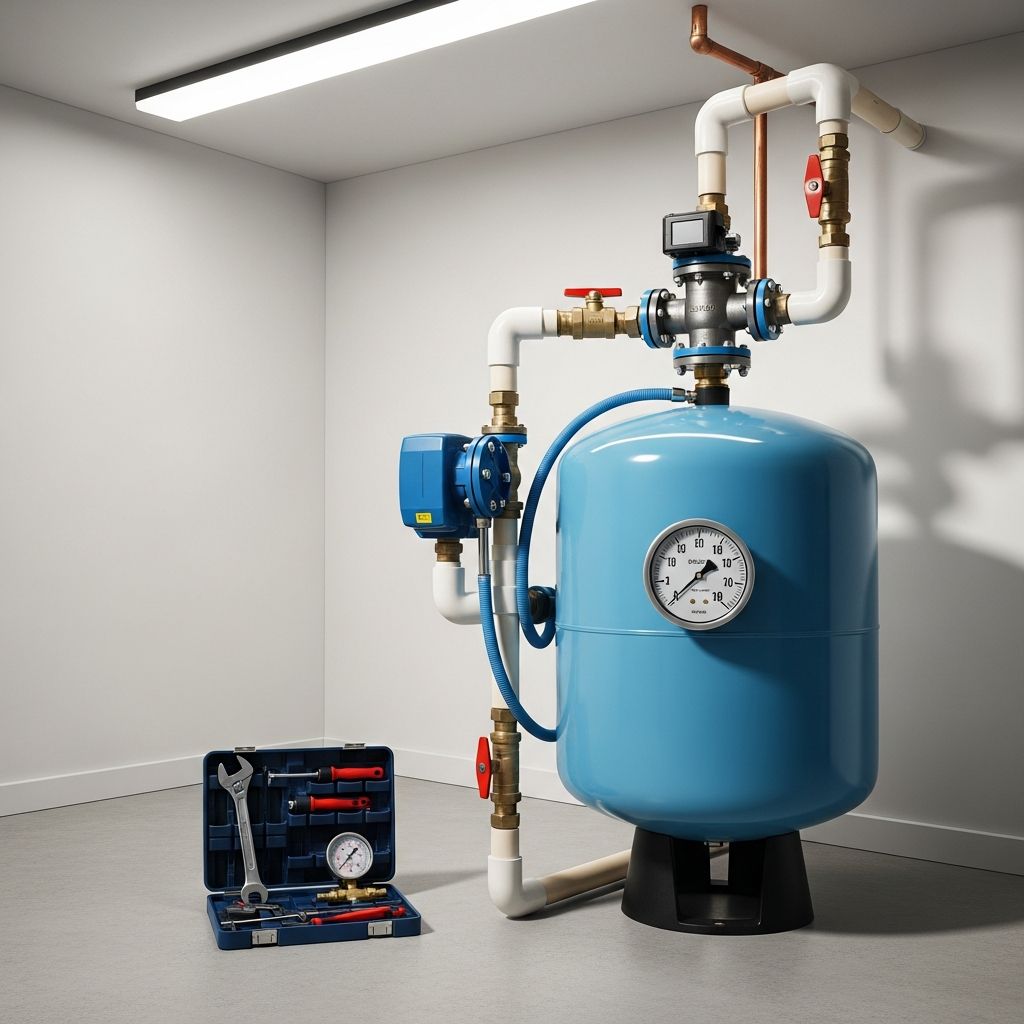
Well Pressure Tank Care Guide
Your well pressure tank is the heart of your home’s water delivery system, storing pressurized water to meet household demands without constant pump operation. Proper care prevents short cycling, maintains steady flow, and avoids costly replacements. This guide details essential practices drawn from industry standards.
Understanding the Role of Your Pressure Tank
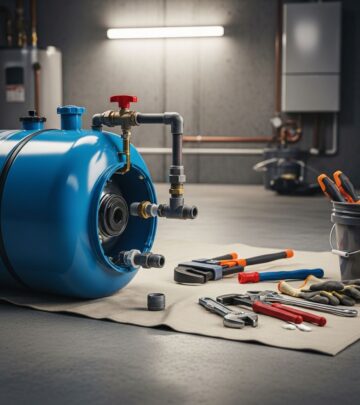
A well pressure tank balances air and water to deliver consistent pressure. Water from the pump compresses the air inside, creating reserve supply for faucets and appliances. Common types include bladder tanks, which use a diaphragm to separate air and water, and older air-over-water models where air contacts water directly. Bladder designs require less frequent adjustments but still need periodic verification.
Neglecting this component leads to issues like waterlogging, where air dissolves into water, reducing capacity and causing the pump to cycle excessively. Regular upkeep ensures efficiency and protects the pump from premature wear.
Why Routine Maintenance is Essential
Consistent checks every six months can extend tank life significantly. Benefits include stable pressure, reduced energy use, and prevention of sediment buildup that affects water quality. In cold regions, insulation prevents freezing, which cracks components.
- Prevents frequent pump starts, lowering electricity bills and motor strain.
- Identifies leaks or corrosion early, avoiding water loss.
- Maintains clean water by minimizing bacterial growth in stagnant areas.
- Supports system warranty compliance, as manufacturers recommend scheduled inspections.
Gathering Tools for Effective Upkeep
Before starting, assemble these items: tire pressure gauge, air compressor, adjustable wrench, multimeter, flashlight, gloves, and pipe insulation tape for winter prep. A bucket catches drainage, and safety glasses protect against debris.
| Tool | Purpose | Notes |
|---|---|---|
| Tire Pressure Gauge | Measure air charge | Accurate to 0.5 PSI |
| Air Compressor | Recharge tank | Electric model preferred for volume |
| Multimeter | Test pump motor amps | Compare to manufacturer specs |
| Adjustable Wrench | Valve operations | Non-marring jaws ideal |
Step-by-Step Air Pressure Check and Recharge
Verify air pre-charge biannually with the system depressurized. This matches 2 PSI below your pump’s cut-in pressure, typically 28 PSI for 30-50 systems or 38 PSI for 40-60.
- Power off the well pump at the disconnect or breaker.
- Shut the main water valve to isolate plumbing.
- Drain tank fully via base valve; depress Schrader valve if needed for older tanks.
- Locate top air valve, remove cap, and gauge pressure.
- If low, connect compressor hose and inflate gradually to target PSI.
- Recap valve securely to prevent leaks.
- Close drain, reopen main valve slowly, then restore power.
Monitor pump cycle: it should fill tank then shut off. Test fixtures for steady flow.
Visual Inspection Protocols
Examine exterior for rust, dents, or wet spots indicating leaks. Check fittings, valves, and pressure gauge for damage. Inside the pressure switch cover, note cut-in/cut-out settings—standard is 30/50 or 40/60 PSI. Internally, sediment or waterlogging signals recharge needs.
For submersible pumps, professional inspection cleans inaccessible parts. Listen for irregular pump sounds during operation.
Cleaning Sediment and Debris
Mineral deposits reduce capacity. Drain annually, then flush with a vinegar solution (1:1 water mix) for 30 minutes to dissolve scale. Rinse thoroughly. Filters upstream catch particulates; clean or replace quarterly.
In hard water areas, add a sediment pre-filter. For bladders, avoid chemicals that degrade rubber.
Troubleshooting Common Problems
| Issue | Symptoms | Solution |
|---|---|---|
| Low Pressure | Weak flow, pump runs constantly | Recharge air; check for leaks |
| Short Cycling | Pump on/off rapidly | Verify air charge; inspect bladder |
| Water in Air Valve | Wet discharge on gauging | Bladder rupture—replace tank |
| Noisy Operation | Banging or hammering | Adjust pressure switch; secure pipes |
If motor amps exceed specs, electrical issues or clogs may overload it—call a pro.
Seasonal Preparations for Reliability
Winterize by insulating exposed pipes and wrapping tank base with heat tape. Summer checks focus on ventilation to prevent overheating. Test relief valve annually: it should discharge at 150 PSI max.
Advanced Monitoring Techniques
Install a pressure logger for data trends. Smart gauges alert via app for deviations. Annual pro service includes internal camera inspection for bladders.
Choosing Replacement Tanks
When lifespan ends (10-15 years), select galvanized steel or composite with NSF certification. Size by pump output: 20-80 gallons typical for homes. Drawdown capacity should cover 1-2 minutes of demand.
FAQs
How often should I check tank pressure?
Every 6 months or after power outages.
Can I use a bike pump for recharging?
No, insufficient volume; use electric compressor.
What if my tank has no bladder?
Air-over-water types need more frequent checks as air absorbs into water.
Is DIY safe for beginners?
Yes for basics; hire licensed plumber for electrical/pump work.
Does hard water damage tanks?
Yes, accelerates sediment; use softeners upstream.
Long-Term System Optimization
Pair tank care with pump priming, foot valve checks, and whole-system flush yearly. Track maintenance in a log for patterns. Upgrading to variable-speed pumps reduces cycling further.
Efficient upkeep yields reliable water, lower bills, and peace of mind. Consistent habits prevent 80% of failures.
References
- Maintaining Your Well Pump – Flint & Walling — Flint & Walling. 2025-01-20. https://flintandwalling.com/2025/01/20/well-pump-maintenance-tips/
- How to Check and Recharge Your Well Pressure Tank – Team Austin — Team Austin. N/A. https://teamaustin.com/blog/how-to-check-and-recharge-your-well-pressure-tank/
- Essential Pressure Tank Maintenance Tips for Homeowners — Brown Well Supply. N/A. https://www.brownwellsupply.com/pressure-tank-maintenance/
- The Importance of Regular Pressure Tank Maintenance — KB Water Well Drilling. N/A. https://kbwaterwelldrilling.com/the-importance-of-regular-pressure-tank-maintenance/
- How to Keep your Pump and Pressure Tank in Good Condition — PrivateWellClass.org (YouTube). N/A. https://www.youtube.com/watch?v=6lvv0ZZwosE
Similar Articles








Read full bio of Sneha Tete