Well Pump Troubleshooting and DIY Repair Guide
Master well pump repairs with our comprehensive DIY troubleshooting guide for homeowners.
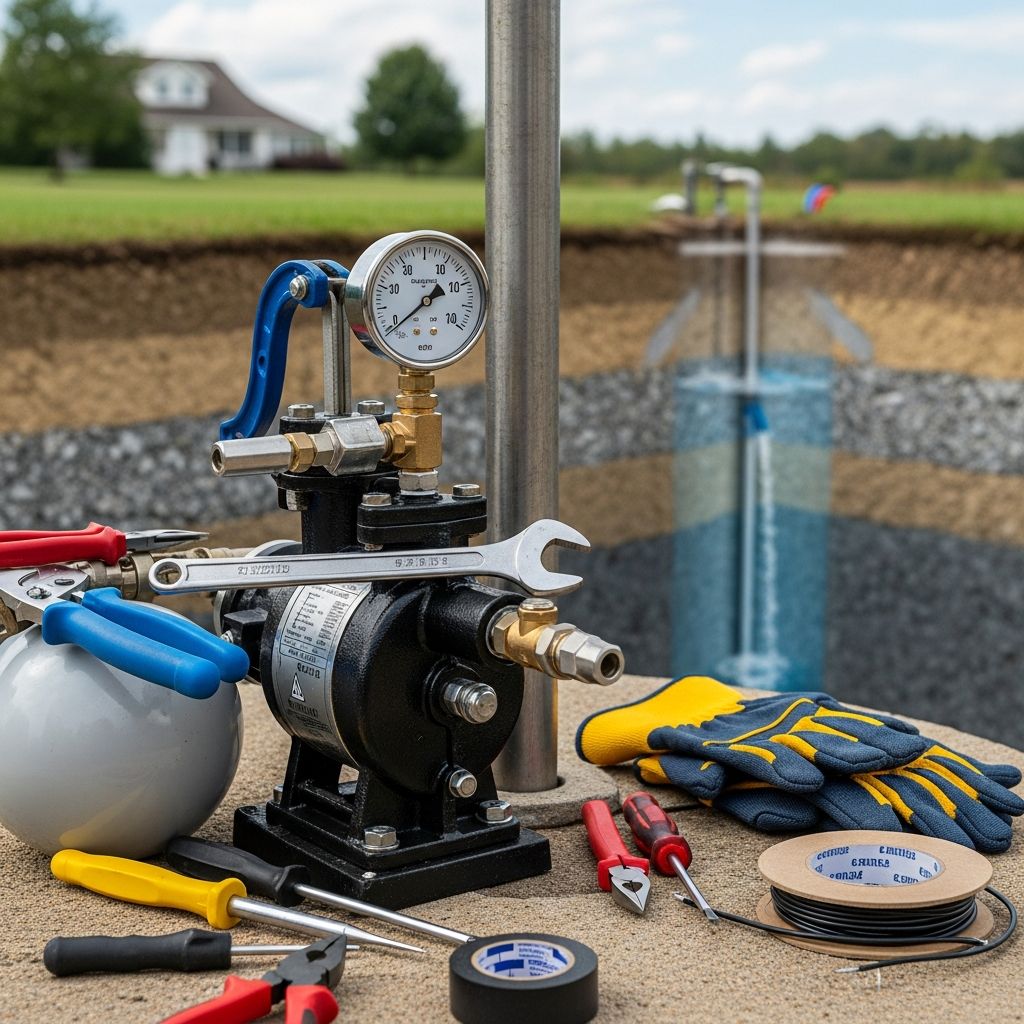
A well pump is a critical component of your home’s water supply system, especially if you rely on a private well. Understanding how to troubleshoot and repair common well pump issues can save you significant money in service calls and help you maintain a consistent water supply. This comprehensive guide covers the most frequent well pump problems, their causes, and practical DIY solutions that homeowners can implement.
Understanding Your Well Pump System
Before diving into troubleshooting, it’s important to understand the basic components of a well pump system. Your system typically consists of a submersible or jet pump located in the well, a pressure tank that stores water and maintains pressure, a pressure switch that controls when the pump turns on and off, and various pipes and electrical connections. Each component plays a vital role in delivering water to your home, and when one fails, it can affect the entire system’s performance.
Common Well Pump Issues and Solutions
1. No Water Flow
One of the most concerning problems homeowners face is when their well pump produces no water at all. This can be caused by several different issues, and identifying the root cause is the first step toward resolution.
Possible Causes:
– Clogged intake screen
– Faulty pressure switch
– Airlock in the system
– Loss of electrical power
DIY Solutions:
Start by checking your circuit breaker to ensure power is reaching the pump. If the breaker has tripped, reset it and observe whether it trips again. If it repeatedly trips, there may be an underlying electrical issue requiring professional attention.
Next, inspect the intake screen for debris and sediment buildup. The well screen prevents loose debris from entering your pump, but over time sediment can accumulate and block water flow entirely. If the screen is clogged, carefully clean it or replace it if damaged.
Test your pressure switch by manually pushing its contacts to see if the pump kicks on. If it doesn’t respond, the switch may be faulty and need replacement. Additionally, check for an airlock in the system by opening multiple faucets and allowing water to flow until it runs clear and steadily.
2. Low Water Pressure
Low water pressure is a common complaint that can stem from various sources within your well system. Identifying whether the problem is in the pump, pipes, or pressure tank will help you apply the correct solution.
Possible Causes:
– Clogged or blocked pipes
– Worn out pump components
– Faulty pressure tank
– Broken or leaking well pipe
– Low water levels in the well
DIY Solutions:
Begin by inspecting your pipes for blockages or obstructions. Check visible pipes for cracks, leaks, or corrosion that could reduce water pressure. If you discover a broken or leaking well pipe, this typically requires professional repair, as accessing underground pipes can be complex and dangerous.
Check your pump’s internal components, including impellers and seals, for signs of wear and tear. Worn components don’t pump water as efficiently and may need replacement. If your pump is aging or shows visible damage, professional inspection may be warranted.
Test your pressure tank’s air pressure using a tire pressure gauge. The tank should maintain a specific air charge to function properly. If the pressure is low, use an air compressor to recharge the tank to the manufacturer’s recommended level. For bladder tanks, if the bladder has failed, the entire tank must be replaced.
3. Pump Cycling Frequently
When your pump rapidly turns on and off, it’s often a sign of pressure tank problems. Frequent cycling not only wastes energy but also reduces the pump’s lifespan by putting excessive strain on it.
Possible Causes:
– Waterlogged pressure tank
– Faulty check valve
– Ruptured bladder in pressure tank
– Inconsistent water supply
DIY Solutions:
A waterlogged pressure tank occurs when water fills the entire tank, leaving no air to maintain pressure. To fix this, drain and recharge the pressure tank. Turn off the pump, open a faucet to depressurize the system, then use an air compressor to recharge the tank to the proper pressure level.
Test your check valve to ensure it’s functioning properly. A faulty check valve allows water to flow backward, preventing the tank from maintaining pressure. If the valve is defective, replacement is necessary.
If you suspect a ruptured bladder in the pressure tank, this is indicated when the pump cycles rapidly and won’t maintain pressure. A tank with a ruptured bladder must be replaced immediately, as it cannot be repaired.
4. Pump is Pumping Sediment
Finding sediment or discolored water in your home indicates that debris is entering your water supply, usually through a compromised well screen.
Possible Causes:
– Faulty or clogged well screen
– Damaged pump intake
– Broken well pipe allowing outside contamination
DIY Solutions:
Inspect your well screen for damage or excessive sediment buildup. A faulty well screen that has cracked or developed holes will allow sediment into your pump and water supply. Depending on the damage, the screen may need repair or complete replacement.
Clear any sediment buildup from the well screen by carefully removing debris. If the screen is severely compromised and cannot be cleaned effectively, professional replacement is recommended.
5. Pump is Not Turning On
When your pump won’t start despite water usage, electrical issues are often the culprit.
Possible Causes:
– Tripped circuit breaker
– Faulty pressure switch
– Broken electrical connections
– Failed capacitor
DIY Solutions:
Always start by checking your circuit breaker. Ensure power is reaching the pump by resetting any tripped breakers. If you have an arc fault circuit breaker (AFCI), check it regularly as these are prone to failure.
Verify that all power lines from your main electricity source to the pump are properly connected. Look for corroded, loose, or damaged connections that could prevent power from reaching the pump.
For electrical troubleshooting beyond these basics, consult a professional. Testing capacitors and complex wiring issues requires proper equipment and expertise to avoid safety hazards.
Testing Your Well Pump Without Pulling It
Before assuming your pump has failed and arranging expensive extraction and replacement, you can perform several tests to determine if the pump is actually the problem.
Check Power Supply: Ensure your circuit breaker is on and supplying power to the pump. Use a multimeter to check for proper voltage at the pump terminals to ensure it’s receiving adequate electrical power.
Test the Pressure Switch: The pressure switch controls when your pump turns on and off. You can bypass it temporarily to determine if the switch is malfunctioning. A clamp-style ammeter can tell you if your pump is drawing proper amperage when running, helping confirm whether the pump itself is functioning.
Measure Tank Pressure: Use a tire pressure gauge to check your pressure tank’s air charge. This simple test often reveals whether your tank needs recharging or if the bladder has failed.
Electrical Safety Considerations
When troubleshooting electrical components, always prioritize safety. Turn off power at the breaker box before inspecting any wiring or components. Inspect wiring for damage, corrosion, or exposed conductors that could create safety hazards.
If you lack confidence working with electrical systems, or if your troubleshooting reveals complex wiring issues, don’t hesitate to contact a professional. Electrical problems with well pumps can pose shock hazards and require proper expertise to resolve safely.
When to Call a Professional
While many well pump issues can be addressed with DIY repairs, some situations require professional intervention. Call a licensed well pump technician if:
– You discover a broken or leaking well pipe- The pump won’t turn on despite checking electrical connections- You suspect the pump itself is damaged and needs replacement- Water quality issues persist after cleaning the well screen- Your pressure tank bladder has ruptured- You’re uncomfortable working with electrical components
Maintenance Tips to Prevent Problems
Regular maintenance can prevent many common well pump issues from developing in the first place. Inspect your pressure tank monthly and check its air pressure quarterly. Keep your well area clean and free from debris that could clog your intake screen. Test your circuit breaker monthly to ensure it’s functioning properly. Have your entire system professionally inspected annually to catch developing problems early.
Frequently Asked Questions
Q: How often should I replace my well pump?
A: A properly maintained well pump can last 15-25 years. Regular maintenance, proper pressure tank function, and addressing issues promptly can extend its lifespan significantly.
Q: What is the average cost of a pressure tank replacement?
A: Pressure tank replacement costs typically range from $300-$800 depending on tank size and type, though professional installation fees may apply.
Q: Why is my well pump running continuously?
A: Continuous running usually indicates a waterlogged pressure tank, faulty check valve, or ruptured bladder. Check your tank’s air pressure first, then test the check valve if recharging doesn’t solve the problem.
Q: Can I repair my pressure tank or must it be replaced?
A: Waterlogged tanks can be drained and recharged. However, if the bladder is ruptured, the entire tank must be replaced as the bladder cannot be repaired.
Q: Is low water pressure always a pump problem?
A: No. Low pressure can result from clogged pipes, failed pressure tanks, broken well pipes, or low water levels in your well. Test your pressure tank and inspect pipes before assuming pump failure.
Q: How can I tell if my well screen is clogged?
A: Clogged well screens often cause low water pressure, reduced water flow, or the pump running excessively. You may also notice sediment in your water or the pump struggling to produce normal pressure.
References
- The Ultimate Guide to DIY Well Pump Repair — Ace Well and Pump NC. 2024. https://www.acewellandpumpnc.com/the-ultimate-guide-to-diy-well-pump-repair-in-asheville-nc/
- How To Diagnose Well Water System Problems — This Old House. 2024. https://www.thisoldhouse.com/plumbing/21016039/how-to-diagnose-problems-with-well-water-systems
- Expert Well Pump Repair Troubleshooting Tips — A and T Well Pumps Raleigh. 2024. https://aandtwellpumpsraleigh.com/blog/common-well-pump-repairs-and-how-to-fix-them
- Water Well Pump Diagnosis and Repair Guide — Bruce MacKay. 2024. https://brucemackay.com/blog/water-well-pump-guide/
- 5 Common Well Pump Problems and How to Fix Them — Freshwater Systems. 2024. https://www.freshwatersystems.com/blogs/blog/5-common-well-pump-problems-and-how-to-fix-them
Similar Articles


Read full bio of medha deb