What Does Asbestos Look Like and How to Identify It
Learn to identify asbestos in your home and understand safe handling practices for protection.
Asbestos is a naturally occurring mineral that was widely used in building materials throughout the 20th century due to its heat-resistant and durable properties. However, when asbestos fibers become airborne, they pose serious health risks to anyone who inhales them. If you own a home built before the 1980s, understanding what asbestos looks like and how to identify it is crucial for protecting your family’s health. This comprehensive guide will help you recognize potential asbestos-containing materials in your home and explain the proper procedures for dealing with them.
Understanding Asbestos: What You Need to Know
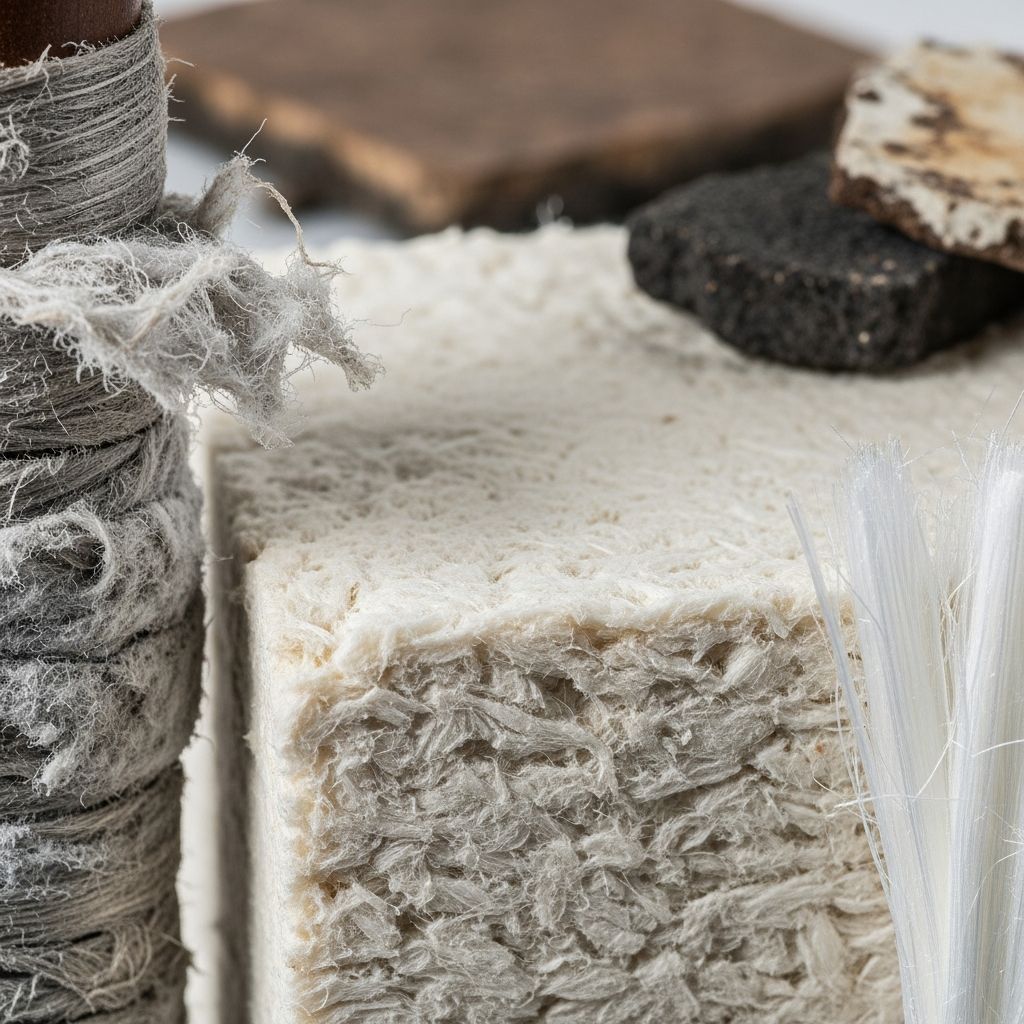
Asbestos is a mineral composed of thin, durable fibers that don’t dissolve in water or easily break down in the environment. In its natural ore form, asbestos can appear in various colors including white, green, blue, and brown. When asbestos is processed and broken down, it transforms into fluffy fibers that become extremely hazardous when disturbed. The danger comes not from asbestos itself, but from the microscopic fibers that can be released into the air when materials containing asbestos are damaged, cut, sanded, or drilled.
The primary health concern with asbestos exposure is that these tiny fibers can be inhaled and become lodged in lung tissue, potentially leading to serious illnesses including mesothelioma, lung cancer, and asbestosis. This is why proper identification and careful handling of asbestos-containing materials are so important.
Where Does Asbestos Hide in Your Home?
Asbestos was used in hundreds of building products throughout the latter half of the 20th century. Understanding where asbestos commonly hides in homes is the first step toward protecting yourself and your family. Here are the most common locations and products that may contain asbestos:
- Insulation: Pipe insulation, furnace insulation, attic insulation, and wall insulation often contain asbestos fibers.
- Flooring materials: Vinyl floor tiles, sheet flooring, and the felt backing under carpets frequently contain asbestos.
- Ceiling products: Popcorn ceilings and acoustic ceiling tiles were particularly prone to asbestos contamination.
- Roofing materials: Asphalt shingles, felt backing, and roofing cement can contain asbestos.
- Wall materials: Textured paint, joint compound, wallpaper, and drywall sealant may contain asbestos fibers.
- Cement products: Asbestos cement board siding and undersheeting were common in older homes.
- Appliances: Vintage ovens, heaters, clothes dryers, and refrigerators often contained asbestos insulation and gaskets.
- Roofing felt and backing: Used under flooring, roofing, and wallpaper.
Homes constructed between 1930 and 1980 are particularly at risk, though asbestos has never been completely banned in the United States and can still be found in some products today.
Visual Identification: What Does Asbestos Look Like?
One of the most important things to understand is that asbestos is extremely difficult to identify by appearance alone. This is why visual inspection should never be your only method of determining whether a material contains asbestos. However, knowing what to look for can help you identify suspect materials that need professional testing.
Appearance in Damaged Materials
When asbestos-containing materials become damaged or deteriorated, you may notice visible signs that warrant professional inspection. Damaged asbestos materials may display small, fuzzy fibers that appear similar to frayed fabric or fine strands protruding from the surface. If you see these characteristics in old insulation, ceiling tiles, or other building materials, this is a red flag that the material should be tested by a professional.
Materials in Good Condition
If building materials are in good condition and not damaged or disturbed, asbestos fibers remain trapped within the material and pose minimal risk. This is why the EPA recommends leaving asbestos-containing materials alone if they’re not damaged and you don’t plan to disturb them.
Why Professional Testing Is Essential
The reality is that you cannot determine with certainty whether a material contains asbestos just by looking at it. Many materials that appear identical may or may not contain asbestos. This is why professional laboratory testing is the only reliable way to confirm the presence of asbestos in your home.
Testing Methods
Licensed asbestos professionals use several testing methods to identify asbestos in building materials:
- Polarized Light Microscopy (PLM): The most common testing method, which typically costs between $20 and $100 per sample.
- Transmission Electron Microscopy (TEM): A more expensive but highly accurate method used when PLM results are inconclusive or when lower detection limits are needed.
Professional inspectors know which materials are most likely to contain asbestos and how to safely collect samples without releasing dangerous fibers into the air. They have the proper equipment and training to handle potentially hazardous materials correctly.
When Should You Test for Asbestos?
The U.S. Environmental Protection Agency recommends testing your home for asbestos in specific circumstances:
- You plan to renovate or remodel your home and need to remove or disturb building materials
- Building materials are visibly damaged or deteriorating
- Drywall or insulation shows signs of damage
- You suspect asbestos may be present in specific materials
- You’re purchasing an older home and want to know its condition
If building materials are in good condition and you have no plans to disturb them, the EPA generally does not recommend routine testing, as the undisturbed material poses minimal risk.
What To Do If You Suspect Asbestos
If you believe your home contains asbestos, follow these important steps:
Do’s
- Leave suspected asbestos materials alone if they’re in good condition
- Limit access to areas where you suspect asbestos is present
- Contact a trained and accredited asbestos professional for inspection and testing
- Keep records of all asbestos-related inspections and testing
- Hire licensed professionals for any removal or remediation work
- Inform family members and visitors about the presence of asbestos in your home
Don’ts
- Don’t saw, sand, scrape, drill, or otherwise disturb materials that may contain asbestos
- Don’t sweep, vacuum, or dust debris from potentially asbestos-containing materials
- Don’t collect asbestos samples for testing without proper training and equipment
- Don’t use power tools or abrasive methods on suspect materials
- Don’t attempt to remove asbestos yourself unless you’re trained and certified
- Don’t dispose of asbestos materials with regular household waste
Professional Removal and Remediation
If asbestos is confirmed in your home and poses a health risk, professional removal by trained and certified contractors is essential. Licensed asbestos removal professionals follow strict safety protocols and regulations to ensure that asbestos fibers don’t contaminate your home or the surrounding environment during the removal process. They use specialized equipment, proper containment procedures, and disposal methods to safely handle asbestos-containing materials.
Finding Qualified Asbestos Professionals
To locate qualified professionals in your area, search online for “asbestos inspection” or “asbestos testing” to find licensed experts near you. The U.S. Department of Commerce maintains a list of accredited asbestos laboratories online that can help you identify certified testing facilities. When hiring a professional, verify their credentials, insurance, and licensing to ensure they meet all regulatory requirements.
Protecting Your Family During Home Renovations
If you’re planning any home renovation or improvement project in an older home, taking precautions against asbestos exposure is critical. Before beginning any work that might disturb building materials, have a professional inspect your home for asbestos. This is especially important if you’re planning to remove insulation, replace flooring, remove ceiling tiles, sand walls, or work with older roofing materials.
When working with materials you know or suspect contain asbestos, always wear appropriate protective gear, use wet methods to minimize dust, and consider hiring professionals for particularly risky tasks.
Health Testing and Exposure Concerns
If you believe you’ve been exposed to asbestos, consult your primary care physician. While laboratory tests can detect asbestos fibers in lung tissue, lung fluid, urine, stool, and mucus, these tests are not typically used for screening purposes because they cannot predict whether a person will develop an asbestos-related disease. Your physician can help determine whether any health concerns warrant further monitoring or medical attention based on your exposure history and symptoms.
Cost Considerations
The cost of asbestos testing varies depending on several factors, including the number of samples tested and the testing method used. Standard PLM testing typically ranges from $20 to $100 per sample, while more sophisticated TEM testing can be considerably more expensive but provides greater accuracy. When budgeting for asbestos concerns, remember that professional testing and removal, while an investment, is far less expensive than dealing with health problems resulting from improper asbestos handling.
Frequently Asked Questions About Asbestos
Q: Can you see asbestos with the naked eye?
A: Asbestos is extremely difficult to identify visually. You might see fuzzy fibers in damaged materials, but positive identification requires professional laboratory testing.
Q: Is all asbestos in homes dangerous?
A: Asbestos in good condition that isn’t disturbed poses minimal risk. The danger occurs when materials are damaged or disrupted, releasing fibers into the air.
Q: Should I test my entire home for asbestos?
A: The EPA recommends testing only if you plan renovations, suspect damage, or are disturbing building materials. Routine testing of undisturbed materials is generally not necessary.
Q: Can I remove asbestos myself?
A: It’s not recommended. Licensed professionals have proper equipment, training, and understanding of safety regulations required for safe asbestos removal.
Q: How long does asbestos testing take?
A: Lab results typically take one to two weeks, depending on the testing method used and the laboratory’s workload.
Q: Is asbestos still used in products today?
A: While heavily restricted, asbestos has never been completely banned in the U.S. and can still be found in some products, though it’s much rarer than in older materials.
References
- Guide to Asbestos in the Home — Mesothelioma Center. https://www.asbestos.com/exposure/home/
- Asbestos in the Home: Identification & Testing — United States Environmental Protection Agency. https://www.epa.gov/asbestos/asbestos-home
- Tips for Avoiding Asbestos During Home Renovations — WasteCap. https://www.wastecap.org/news/tips-for-avoiding-asbestos-during-home-renovations
Similar Articles



Read full bio of medha deb