What Electrical Wire Colors Mean: A Safety Guide
Master electrical wire color codes to ensure safe home wiring and prevent hazards.
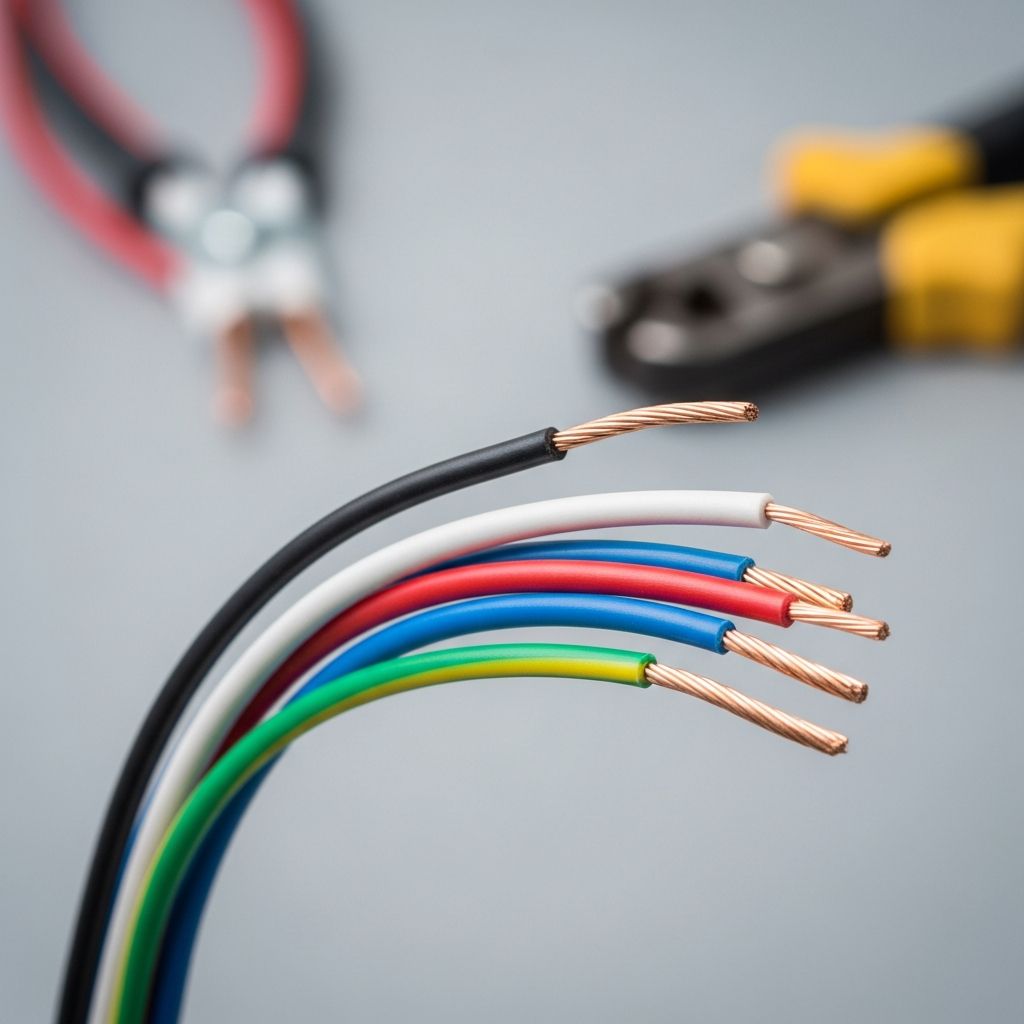
What Electrical Wire Colors Mean: A Complete Safety Guide
Electrical wiring is a fundamental aspect of any home’s infrastructure, and understanding wire color codes is essential for both safety and proper functioning of your electrical system. Each color serves a specific purpose, and recognizing these colors can help you avoid dangerous mistakes during installation, repair, or maintenance. The color coding system is not arbitrary—it follows established standards set by the National Electrical Code (NEC) to ensure consistency and safety across all residential and commercial electrical installations.
Whether you’re a homeowner performing basic electrical maintenance or a professional electrician working on complex installations, knowing what each wire color represents is crucial. Mixing up wire colors can lead to serious consequences, including tripped circuit breakers, damaged electrical devices, electrical shock hazards, and potentially dangerous fires. This comprehensive guide will walk you through all the standard electrical wire colors, what they mean, and why this knowledge is vital for your home’s safety.
Understanding the Three Main Wire Types
Every electrical circuit contains three fundamental wire types, each with its own designated color code. These wires work together to create a complete electrical circuit that safely delivers power throughout your home while protecting you from electrical hazards.
Hot Wires (Live Wires)
Hot wires carry electrical current from the power source to outlets, switches, and appliances throughout your home. These wires are live at all times when the circuit breaker is on, making them potentially dangerous if touched directly. In the United States, hot wires are typically colored black or red. Black is the most common hot wire color found in standard 120/240-volt residential circuits. Red wires serve as secondary hot wires and are often used in switch legs, three-way switches, and circuits requiring two hot conductors. Understanding which wires are hot is critical because touching them without proper precautions can result in serious electrical shock.
Neutral Wires
Neutral wires complete the electrical circuit by returning current back to the electrical panel and ultimately to the power source. While neutral wires are safer to handle than hot wires, they still carry electrical current and should be treated with respect. In most residential settings, neutral wires are colored white or gray. White is the standard neutral wire color in residential applications, while gray is less common and typically found in commercial or industrial settings. These wires allow electricity to flow back through the system after powering your devices.
Ground Wires
Ground wires provide a safety path for electricity in case of a fault or short circuit. They connect to the earth and help protect you from electrical shock and equipment damage. Ground wires are designated green or bare copper. The bare copper ground wire is particularly common in residential wiring, while green-insulated ground wires are also standard. Some installations may use green wires with yellow stripes, particularly in international applications or specific industrial settings.
Standard Color Codes by Region
While the United States follows specific NEC standards, electrical wire colors can vary significantly depending on your location. Understanding regional differences is important if you’re working with international equipment or traveling to different countries.
| Region | Hot Wire | Neutral Wire | Ground Wire |
|---|---|---|---|
| United States | Black or Red | White or Gray | Green or Bare Copper |
| United Kingdom | Brown | Blue | Green with Yellow Stripe |
| European Union | Brown | Blue | Green with Yellow Stripe |
| Canada | Red or Black | White | Green or Bare |
Specialized Wire Colors and Their Functions
Beyond the basic hot, neutral, and ground wires, several other colors serve specialized purposes in electrical systems. These colors indicate specific functions and help electricians quickly identify wire usage.
Blue and Yellow Wires
Blue and yellow wires typically function as hot wires but serve specialized purposes. Yellow wires are often used as switch legs for installations like ceiling fans, light fixtures, and outlets connected to light switches. They typically carry power in 240-volt circuits where two hot wires are needed. Blue wires are more commonly used as low-voltage conductors, such as travelers in three-way or four-way switch configurations. These wires help electricians identify specialized circuits and ensure proper installation of complex switching systems.
Orange, Brown, Pink, and Violet Wires
These less common colors have specific applications in electrical systems. Orange wires may be used instead of red wires in 240-volt circuits requiring two hot conductors. Brown, pink, and violet wires appear in various industrial and commercial applications. Understanding these specialized colors helps prevent confusion and ensures proper circuit identification, particularly in commercial or industrial settings.
Three-Phase and Commercial Wiring Colors
Commercial and industrial electrical systems often use three-phase power rather than the single-phase systems found in most residences. These systems require additional wire colors to distinguish between the different phases.
Three-Phase AC Wire Colors (120/208/240 Volt)
In three-phase systems commonly used in commercial buildings, the standard color designations are:
- Phase 1: Black
- Phase 2: Red
- Phase 3: Blue
- Neutral: White
- Ground: Green or Green with Yellow Stripe
This standardized color sequence helps commercial electricians quickly identify and work with three-phase systems safely and efficiently.
Higher Voltage Systems (277/480 Volt AC)
Industrial facilities using higher voltage three-phase power employ different color codes:
- Phase 1: Brown
- Phase 2: Orange
- Phase 3: Yellow
- Neutral: Grey
- Ground: Green or Green with Yellow Stripe
DC Power and Specialized Systems
Direct current (DC) electrical systems, common in automotive applications and renewable energy installations like solar panels, use different color coding than alternating current (AC) systems.
DC Wiring Color Codes
For DC electrical power applications, the following colors are standard:
- Positive wire: Red
- Negative wire: Black
- Ground wire: White or Grey
This system differs from AC residential wiring, so it’s important to recognize whether you’re working with AC or DC systems before beginning any electrical work.
HVAC and Air Conditioning Systems
Heating, ventilation, and air conditioning (HVAC) systems use specialized wire colors that differ from standard electrical wiring:
- Red: 24V power
- Yellow: Cooling signal
- Green: Fan control
- White: Heating signal
These color codes help HVAC technicians quickly identify system functions and ensure proper installation and troubleshooting of climate control equipment.
Quick Reference Wire Color Chart
| Wire Color | Purpose | Notes |
|---|---|---|
| Black | Hot | Main live wire in most residential circuits |
| Red | Hot | Secondary hot wire, often used in switch legs |
| White | Neutral | Returns current to panel, carries current |
| Gray | Neutral | Less common, used in commercial settings |
| Green | Ground | Safety connection to earth |
| Bare Copper | Ground | Standard in residential wiring |
| Blue | Hot/Traveler | Used in three-way switches and industrial systems |
| Yellow | Hot | Used in switch legs and 240-volt circuits |
Why Wire Color Codes Matter
Understanding electrical wire colors is not just about following regulations—it’s fundamentally about safety. Proper color identification ensures compliance with the National Electrical Code and helps prevent dangerous situations. When wires are properly color-coded and correctly identified, electricians and homeowners can work confidently knowing which wires carry power and which are safe to handle under different circumstances.
Mixing up wire colors can have serious consequences. Connecting a hot wire to a neutral or ground wire incorrectly can trip circuit breakers, damage electrical devices, cause electrical shock, or create fire hazards. These color codes serve as a universal language for electricians worldwide, helping avoid dangerous misunderstandings and ensuring consistent, safe electrical installations across all settings.
Important Safety Precautions
When working with any electrical wiring, always prioritize safety. Before touching any wires, use a reliable electrical tester to verify whether a wire is live or de-energized. Never assume a wire is safe based on color alone. Always turn off power at the circuit breaker before beginning any electrical work, and use appropriate personal protective equipment. If you’re uncertain about any aspect of electrical wiring, consult with a licensed electrician to ensure your safety and protect your home.
Frequently Asked Questions
Q: What are the color codes for electrical wires?
A: In the United States, the National Electrical Code defines the following color codes: Black and red for hot wires, white or gray for neutral wires, and green or bare copper for ground wires. These colors follow standardized conventions to ensure safety and consistency.
Q: What happens if I mix up wire colors?
A: Mixing up hot, neutral, and ground wires can lead to tripped breakers, damaged devices, or even electrical fires. Always verify wires with a tester and follow code requirements before proceeding with any electrical work.
Q: Why is understanding wire color codes important?
A: Understanding wire color codes helps you avoid electrical shocks and equipment damage while ensuring compliance with safety codes. Proper identification of wires is essential for safe electrical installation, repair, and maintenance.
Q: Do wire color codes vary by country?
A: Yes, wire color codes vary by region. The United States uses black/red for hot, white/gray for neutral, and green/bare for ground. The UK and EU use brown for hot, blue for neutral, and green with yellow stripe for ground.
Q: What do blue and yellow wires indicate?
A: Blue and yellow wires typically function as hot wires but serve specialized purposes. Yellow wires are often used as switch legs for ceiling fans and light switches, while blue wires are commonly used as travelers in three-way switch configurations.
References
- Electrical Wire Codes Explained | Safe Home Wiring Guide — The Electricians Co. https://www.theelectriciansco.com/blog/electrical-wire-codes/
- Electrical Wire Color Code Explained: Stay Safe at Home — FUSE Service. https://fuseservice.com/electrical-wire-color-code/
- Guide to Understanding Wire Color Codes — Creative Safety Supply. https://www.creativesafetysupply.com/articles/wire-color-codes/
- Wiring Color Codes: An Introductory Guide to Electrical Wire Identification — Newark. https://www.newark.com/wiring-color-codes-an-introductory-guide-to-electrical-wire-identification-trc-sg
- What Different Electrical Wire Colors Really Mean — AerosUSA. https://aerosusa.com/what-different-electrical-wire-colors-really-mean/
Similar Articles








Read full bio of Sneha Tete