What Is a Veranda? Definition, Design & Benefits
Explore verandas: their definition, architectural styles, design elements, and how to create the perfect outdoor retreat.
What Is a Veranda? A Complete Guide to This Classic Outdoor Structure
A veranda is one of the most cherished outdoor architectural features that can transform your home and lifestyle. Whether you’re looking to add value to your property or simply create a peaceful retreat, understanding what a veranda is and how to design one properly is essential. This comprehensive guide will walk you through everything you need to know about verandas, from their basic definition to design considerations and practical building tips.
Understanding the Veranda: Definition and Basics
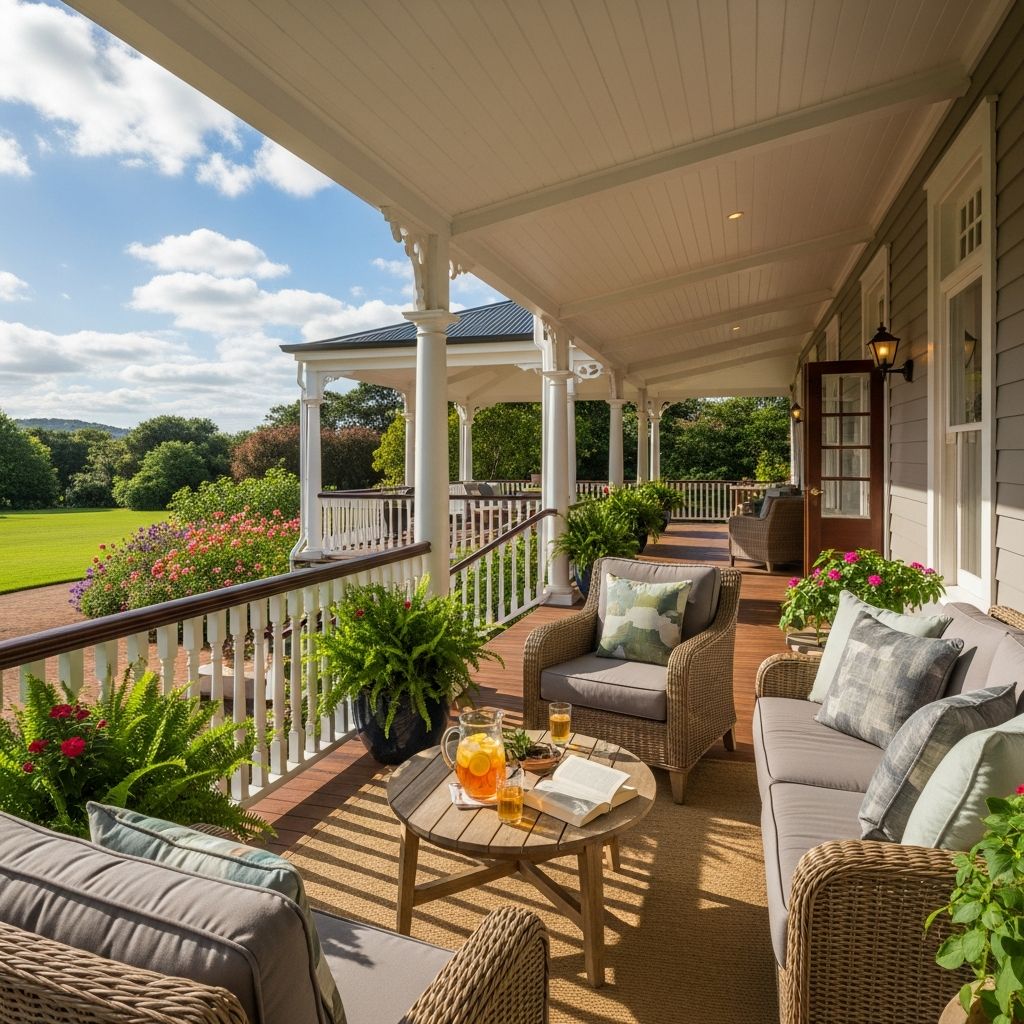
A veranda is an open or partially enclosed porch or platform that extends from the main structure of a house. It typically features a roof supported by posts or columns and is designed as an outdoor living space that bridges the gap between your interior home and the surrounding landscape. The word “veranda” has origins in Hindi and Portuguese, reflecting its historical presence in tropical and subtropical regions around the world.
Unlike a simple porch, a veranda is often larger and more substantial, providing a significant outdoor living area where families can gather, entertain, or simply enjoy the outdoors while maintaining some protection from the elements. Verandas are characterized by their open-air design, which allows for natural ventilation and an unobstructed view of your property.
Key Characteristics of Verandas
Verandas possess several distinctive features that set them apart from other outdoor structures:
- Roofed Coverage: A permanent or semi-permanent roof structure provides shade and weather protection
- Column or Post Support: Structural posts or columns support the roof and create an elegant architectural element
- Open Design: Minimal walls allow for maximum airflow and outdoor ambiance
- Direct Access: Usually connects directly to the main house through doors or windows
- Functional Space: Designed for leisure, entertainment, and relaxation
Verandas vs. Other Outdoor Structures
Understanding the differences between verandas and similar outdoor structures helps clarify what makes a veranda unique. While porches, patios, decks, and pergolas all serve outdoor purposes, each has distinct characteristics that influence design and function.
A porch is typically smaller and attached directly to the entrance of a home, often serving as a transition space. A patio is usually a ground-level outdoor area without a roof or covering. A deck is an elevated platform made of wood or composite materials, often without a roof. A pergola features an open-lattice roof that provides partial shade, while a pavilion has a fully enclosed roof, similar to a veranda but often stands alone rather than being attached to the home.
Architectural Styles and Design Variations
Verandas have evolved across different cultures and time periods, resulting in numerous architectural styles that homeowners can choose from when designing their own veranda.
Traditional and Colonial Verandas
Colonial-style verandas feature classic elements such as decorative railings, turned balusters, and pitched roofs. These designs often wrap around multiple sides of the home and reflect the architectural heritage of colonial America and other historical periods.
Modern and Contemporary Verandas
Modern verandas emphasize clean lines, minimalist design, and integration with contemporary home architecture. These structures often feature flat roofs, minimal ornamentation, and materials like steel, glass, and composite decking.
Tropical and Mediterranean Verandas
Inspired by warm-climate architecture, these verandas often include ceiling fans, louvers for ventilation, and materials that withstand intense sun and humidity. Mediterranean designs incorporate stone, terracotta, and ornamental tiles.
Craftsman-Style Verandas
Featuring exposed beams, substantial columns, and natural materials, craftsman verandas emphasize quality construction and architectural detail. These designs often include built-in seating, storage, and decorative woodwork.
Essential Design Elements for Your Veranda
Creating a successful veranda requires careful consideration of several design elements that work together to create a functional and beautiful outdoor space.
Roofing Options
Your veranda roof can be constructed from various materials, each offering different aesthetic and functional benefits. Metal roofing provides durability and modern appeal, while traditional shingle roofing offers classic charm. Polycarbonate panels allow light transmission while providing weather protection. Cedar shakes and wooden shingles create rustic character. The roof pitch and overhang are also crucial for managing water runoff and providing adequate shade.
Structural Support
Columns and posts are not only functional but also major design elements. Tapered columns create a classic look, while square posts offer modern simplicity. Stone or brick bases add architectural weight and permanence. The spacing, height, and material of your support structure significantly impact the overall aesthetic appeal of your veranda.
Flooring Materials
The flooring of your veranda should complement your home’s architecture while being durable and low-maintenance. Options include pressure-treated wood decking, composite materials, pavers, stone, tile, or polished concrete. Each material offers different aesthetics, durability levels, and maintenance requirements.
Railings and Balusters
Safety railings serve both functional and decorative purposes. Options range from traditional wooden balusters to modern metal railings, glass panels, or cable systems. The style you choose should coordinate with your overall design aesthetic.
Lighting and Ceiling Fans
Proper lighting extends the usability of your veranda into evening hours, while ceiling fans improve air circulation and comfort. Consider recessed lighting, pendant fixtures, or string lights for ambiance, combined with practical task lighting for safety and function.
Planning and Layout Considerations
Before constructing or renovating your veranda, several planning considerations ensure the space meets your needs and integrates well with your home.
Size and Dimensions
The size of your veranda should be proportional to your home and property. A typical veranda extends 8 to 12 feet from the house, though this varies based on available space and intended use. Consider how the veranda will appear from the street and from various viewing angles.
Orientation and Sun Exposure
The direction your veranda faces affects sun exposure, temperature, and comfort. A veranda facing south receives significant afternoon sun, while a north-facing veranda remains cooler. Consider adding screens, shade cloths, or pergola elements to manage sun exposure seasonally.
Integration with Landscaping
Your veranda should complement your landscaping rather than compete with it. Plantings around the perimeter can frame the structure and soften its appearance. Container gardens on the veranda itself add color and flexibility.
Traffic Flow and Connectivity
Ensure your veranda design facilitates natural traffic flow from interior spaces through doors and windows. Multiple access points can enhance functionality for entertaining or simply enjoying the outdoor space.
Building Your Veranda: Key Steps
Constructing a veranda requires careful planning, proper materials, and attention to building codes and safety requirements.
Foundation and Footings
Proper foundation work is critical for longevity and safety. Posts must rest on concrete footings below the frost line to prevent frost heave and structural movement. Each footing typically requires a hole two feet deep filled with concrete and reinforced with rebar.
Framing and Structural Work
The frame consists of ledger boards, beams, posts, and joists. The ledger board attaches to the house and must be securely fastened to the rim joist. Beams and joists are typically spaced 16 inches on center to provide adequate support for roofing and load distribution.
Roofing Installation
After framing, roofing materials are installed on the sheathed roof structure. Proper ventilation and waterproofing are essential to prevent leaks and extend the life of your veranda.
Finishing Touches
Railings, trim, flooring, and electrical fixtures complete your veranda. Cedar cladding, fascia boards, and other finishing materials should be pre-stained or painted for durability and appearance. Quality construction of finish work ensures your veranda remains beautiful for years to come.
Cost Considerations and Budget Planning
The cost of building a veranda varies significantly based on size, materials, and complexity. Professional contractors typically charge between $10,000 and $20,000 or more for a quality veranda installation. However, homeowners who tackle the project themselves can reduce costs by 50-70% through careful planning, material selection, and DIY construction methods.
Budget considerations include foundation work, structural materials, roofing, flooring, railings, finishing materials, and labor. Investing in quality materials and proper construction techniques ensures your veranda provides years of enjoyment and adds value to your property.
Maintenance and Long-Term Care
Regular maintenance keeps your veranda beautiful and functional. Annual inspections should check for wood rot, loose fasteners, roof damage, and structural issues. Seasonal cleaning removes debris and prevents moisture accumulation. Staining or painting every 3-5 years protects wood surfaces from weathering. Inspection and maintenance of electrical fixtures, fans, and lighting ensures safety and proper function.
Maximizing Your Veranda Space
To create the ultimate outdoor retreat, consider how you’ll use your veranda and furnish it accordingly. Comfortable seating arrangements, weather-resistant tables, and quality outdoor furniture transform your veranda into an inviting space. Adding elements like outdoor kitchens, grilling stations, or hot tubs elevates the functionality and enjoyment of your veranda.
Frequently Asked Questions About Verandas
Q: What’s the difference between a veranda and a patio?
A: A veranda is a roofed structure attached to the house with posts or columns for support, while a patio is typically an open, ground-level area without a roof or permanent covering.
Q: Do I need a permit to build a veranda?
A: Yes, most jurisdictions require building permits for veranda construction. Permits ensure your structure meets local building codes, safety requirements, and zoning regulations. Check with your local building department before beginning construction.
Q: How long does it take to build a veranda?
A: The timeline depends on size, complexity, and weather conditions. A basic veranda typically takes 2-4 weeks for a professional crew, while larger or more complex projects may require 1-2 months or longer.
Q: What materials are best for veranda construction?
A: Pressure-treated wood, cedar, composite materials, and metal roofing are popular choices. Select materials based on climate, aesthetic preference, maintenance requirements, and budget considerations.
Q: Can I enclose my veranda?
A: Yes, verandas can be partially or fully enclosed with screens, glass panels, or walls to create a three-season or year-round room, though this may require additional permits and structural modifications.
Q: How much does it cost to build a veranda?
A: Costs range from $10,000 to $20,000+ for professional installation, depending on size and materials. DIY construction can significantly reduce costs, though it requires construction knowledge and skills.
Q: What’s the ideal veranda size?
A: A typical veranda extends 8-12 feet from the house, though size varies based on available space, property size, and intended use. Consider proportions relative to your home’s architecture.
Q: How do I protect my veranda from harsh weather?
A: Install high-quality roofing with proper slope for drainage, use weather-resistant materials, apply protective finishes to wood elements, and ensure proper maintenance and inspection to prevent weather-related damage.
References
- International Building Code (IBC) — International Code Council. 2024. https://www.iccsafe.org/products-and-services/standards/icc-codes/
- American Institute of Architects (AIA) – Residential Design Guidelines — AIA. 2024. https://www.aia.org/
- Outdoor Living: Design and Architecture Handbook — American Society of Landscape Architects. 2023. https://www.asla.org/
- Wood Frame Construction Manual — American Forest & Paper Association. 2023. https://www.afandpa.org/
- Pressure-Treated Wood for Outdoor Structures — Treated Wood Council. 2024. https://treatedwoodcouncil.org/
Similar Articles






Read full bio of medha deb