What Is an Incinerating Toilet and How Does It Work?
Discover how incinerating toilets work and why they're ideal for off-grid living.
If you’re considering alternative waste management solutions for your home, especially in off-grid situations, an incinerating toilet might be worth exploring. Unlike traditional flush toilets that use water to transport waste to sewage systems, incinerating toilets employ a completely different approach: they burn human waste at extremely high temperatures, reducing it to a small amount of sterile ash. This innovative technology has become increasingly popular among tiny home owners, cabin dwellers, and those living in remote areas where conventional plumbing infrastructure isn’t available.
An incinerating toilet is essentially a self-contained waste management system that transforms human excrement into ash through controlled incineration. The entire process is automated and sanitary, requiring minimal user intervention beyond basic maintenance. Rather than worrying about septic systems, drainage fields, or municipal sewage connections, homeowners with incinerating toilets simply dispose of the resulting ash as they would regular trash.
Understanding Incinerating Toilet Technology
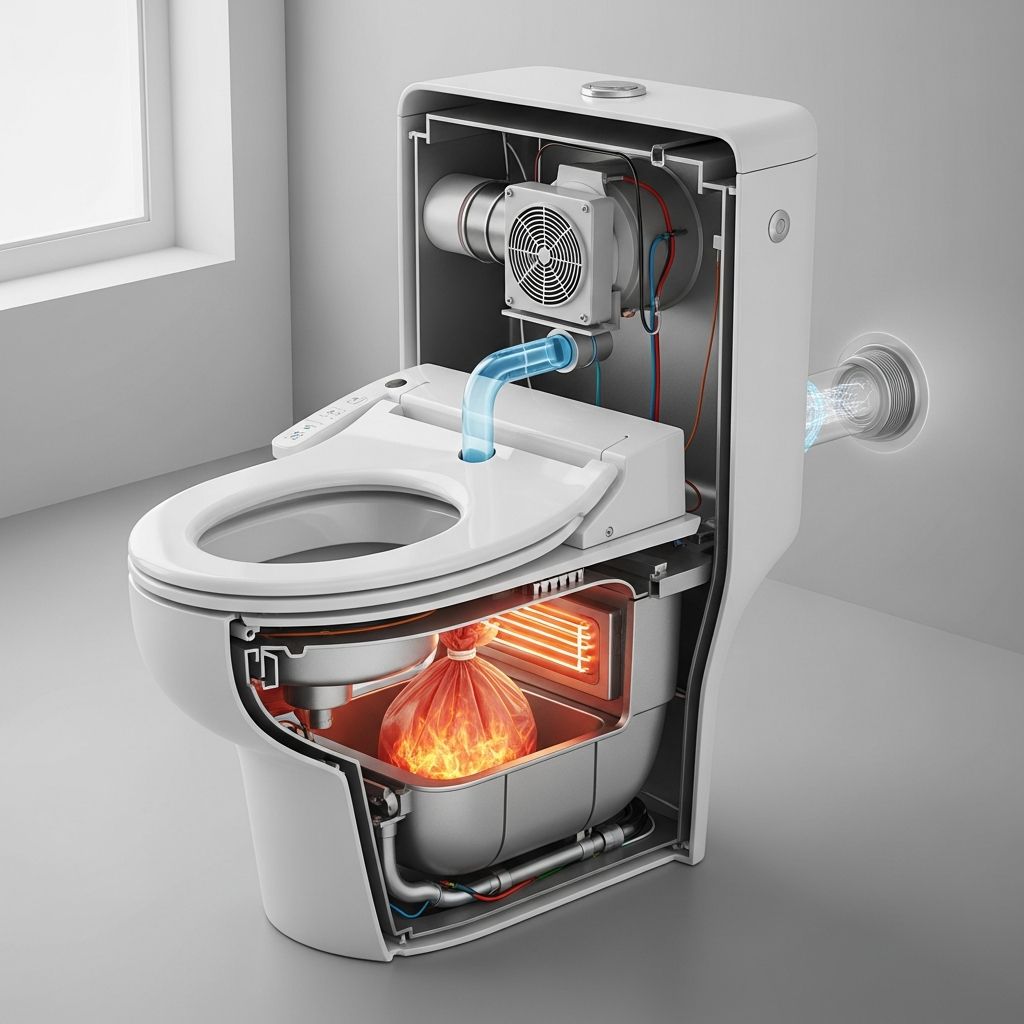
At its core, an incinerating toilet consists of a traditional toilet seat connected to a sealed incineration chamber, a heating or fuel system, and ventilation components. The toilet looks remarkably similar to a standard flush toilet, but the mechanisms underneath are fundamentally different. Instead of water, these toilets use specialized liners—typically made of biodegradable paper or cardboard—to keep the bowl clean and facilitate waste movement into the incineration chamber below.
The technology works by exposing waste to extreme temperatures ranging from 970 to 1400°F (500-750°C). At these heat levels, all organic matter is oxidized, leaving behind only a small amount of inert ash. This process is not only effective at destroying waste but also eliminates pathogens and bacteria, rendering the ash completely sterile and safe for disposal.
How Electric Incinerating Toilets Operate
Electric incinerating toilets represent one of the most common types available for residential use. These units are typically constructed from stainless steel and feature a design that closely resembles conventional toilets, making them blend seamlessly into bathroom environments.
The Basic Operating Procedure:
When you use an electric incinerating toilet, the first step involves lining the bowl with a disposable paper or cardboard liner. This liner serves two purposes: it keeps the toilet bowl clean and provides a means to move waste efficiently into the incineration chamber below. After use, you press a foot pedal located on the side of the toilet. This action causes the chamber cover to lift and swing to the side while the bowl halves separate, allowing the liner and its contents to drop into the sealed incineration chamber.
Once the waste is deposited, you press a start button to initiate the incineration cycle. The electric heating unit then cycles on and off for approximately 60 minutes while a blower motor continuously draws air from the chamber over a heat-activated catalyst bed designed to remove odor components. This ensures that the process remains virtually odorless—users report little to no smell except for a slight smoky odor that is vented outside through an exhaust pipe.
Incineration Timeline:
The complete incineration process for electric units typically takes between one to three hours. Urine generally requires about 10 minutes to fully process, while solid waste takes approximately 30 minutes. However, manufacturers recommend incinerating waste after each use rather than accumulating multiple uses before incineration. Most units can still be used while incineration is in progress, providing continued functionality without interruption.
Electric incinerating toilets include built-in filters to manage odors, an electric fan for air circulation, and an exhaust vent to eliminate combustion gases and maintain optimal chamber temperatures. The resulting ash—typically measuring just one to three tablespoons per use—collects in a removable pan that users can empty into regular trash.
Gas-Powered Incinerating Toilets
Gas-powered incinerating toilets offer an alternative to electric models, utilizing natural gas or propane as their energy source. These units employ a similar concept to their electric counterparts but with some notable differences in operation and practicality.
Operation and Performance:
When a foot pedal is pressed, waste drops into the incineration chamber. To initiate the cycle, users must manually add an anti-foaming agent to the chamber, light a pilot using a built-in piezo-electric igniter, and activate the burner. The gas-powered system then burns the waste at high temperatures, with the process potentially lasting three to four hours depending on the system size and chamber capacity.
Gas-powered models can range from units that resemble traditional toilets to industrial-style systems that look more like portable outhouses. While these systems can be highly effective, they’re considered less practical than electric alternatives for residential use because they require a dedicated natural gas or propane source. Additionally, in many regions, gas-powered systems may require regular inspections for health and safety compliance.
Advantages of Incinerating Toilets
Incinerating toilets offer several compelling benefits that make them attractive for specific applications and lifestyles:
Water Independence: Perhaps the most significant advantage is that these toilets use no water whatsoever. In water-scarce regions or off-grid properties where water conservation is critical, this represents a major advantage. There’s no need to waste precious fresh water on waste disposal.
Minimal Waste Output: The incineration process produces remarkably little residue. On average, only about one to three tablespoons of ash are generated per use, and studies have shown that ash represents just 2.23 percent of the total weight of waste treated. For a family of four, this amounts to approximately one teacup of ash per week.
No Drainage Requirements: Since these are waterless systems, they don’t require drainage solutions, septic systems, or connections to municipal sewage. This makes them ideal for properties where traditional plumbing infrastructure is impractical or impossible to install.
Pathogen Elimination: The high temperatures used in incineration destroy all pathogens and bacteria, resulting in completely sterile ash that poses no health risks. Microbiological examinations of ash from incinerating toilets have revealed no fecal contamination.
Space Efficiency: The minimal ash output makes these systems extremely space-efficient compared to alternatives like composting toilets or septic systems.
Odor Control: When functioning properly, incinerating toilets produce virtually no unpleasant odors. The sealed chamber design and ventilation system direct any combustion gases outside, typically vented through an exhaust pipe.
Disadvantages and Limitations
While incinerating toilets offer numerous benefits, they also have several drawbacks worth considering:
Energy Consumption: Electric models require consistent electrical power to operate, making them non-functional during power outages. Gas-powered models depend on a reliable fuel supply and may perform poorly in extremely cold conditions when propane won’t vaporize properly.
Installation and Compliance: Many jurisdictions require certified venting systems and regular inspections, particularly for gas-powered units. This can increase installation costs and ongoing regulatory compliance requirements.
Maintenance Requirements: These systems require regular maintenance, including periodic cleaning of the burner assembly and routine removal of ash. Users must also ensure that waste isn’t overloaded into the chamber.
Operating Costs: Electric models require electricity, while gas-powered units consume fuel. Over time, these energy costs can accumulate, particularly for heavy use.
Initial Investment: Incinerating toilets typically have higher upfront costs compared to traditional toilets or even composting alternatives.
Maintenance and Care
Proper maintenance is essential for optimal performance and longevity of incinerating toilets. Electric models require regular emptying of the ash collection pan, cleaning of the stainless steel surfaces including the bowl halves, and periodic cleaning of the burner every 90 days.
It’s important to follow manufacturer guidelines regarding usage frequency. Manufacturers recommend incinerating waste after each use and note that accumulation of more than three small urine deposits or one feces deposit is considered an overload that will require more time to burn off, potentially causing odor and reducing heater life.
For optimal performance, users should avoid using the toilet multiple times between incineration cycles and should empty the ash regularly. Gas-powered systems may require additional maintenance depending on the specific model and local regulations.
Incinerating Toilets for Off-Grid Living
For those pursuing off-grid lifestyles, incinerating toilets represent an excellent waste management solution. Their complete independence from water and sewage infrastructure makes them particularly valuable in remote locations. Combined with other off-grid technologies like solar power, rainwater collection, and alternative heating systems, incinerating toilets contribute to genuine self-sufficiency.
The sterile ash produced can even be used as an organic fertilizer in gardens, further enhancing the sustainability of off-grid living arrangements. This closed-loop approach to waste management aligns well with homesteading and sustainable living philosophies.
Comparing Waste Management Options
| Feature | Incinerating Toilet | Composting Toilet | Septic System |
|---|---|---|---|
| Water Usage | None | None | High |
| Energy Required | Electric or Gas | Minimal/None | None |
| Maintenance | Moderate | High | Periodic |
| Residue Output | Very Low (ash) | Moderate (compost) | None (processed) |
| Space Requirements | Small | Moderate | Large |
| Installation Cost | High | Moderate | High |
Frequently Asked Questions
Q: Is an incinerating toilet sanitary?
A: Yes, incinerating toilets are highly sanitary. The extreme temperatures eliminate all pathogens and bacteria, producing completely sterile ash with no fecal contamination. The sealed chamber design also prevents direct contact with waste.
Q: How often do I need to empty the ash?
A: This depends on usage frequency. Since only about one to three tablespoons of ash are produced per use, most households need to empty the ash pan only once or twice per week, though this varies based on family size and toilet usage patterns.
Q: Can I use an incinerating toilet in an apartment?
A: This depends on local building codes and apartment regulations. Most apartments prohibit them due to ventilation requirements and the need for external venting. Check with your landlord and local authorities before installation.
Q: What happens during a power outage?
A: Electric incinerating toilets won’t function during a power outage. Some models may have backup battery systems, but this should be verified with the manufacturer. Gas-powered models offer an alternative for areas with frequent outages.
Q: Is the ash safe to use in gardens?
A: The sterile ash can potentially be used as a soil amendment or fertilizer in gardens. However, check local regulations and manufacturer guidelines before using it on edible plants.
Q: What is the lifespan of an incinerating toilet?
A: With proper maintenance, most incinerating toilets last many years. Regular cleaning and adherence to usage guidelines help maximize longevity, though specific lifespans vary by manufacturer and model.
Is an Incinerating Toilet Right for You?
Incinerating toilets represent a practical solution for specific situations and lifestyles. They’re ideal for off-grid homes, tiny houses, vacation cabins, and areas without access to traditional sewage infrastructure. If you have reliable electricity or gas access, value water conservation, and can accommodate the higher initial investment, an incinerating toilet may be an excellent choice.
However, if you live in a standard home with municipal utilities, prefer lower operational costs, or live in a jurisdiction that doesn’t permit such systems, traditional toilets or other alternatives might be more appropriate. Ultimately, the decision depends on your specific circumstances, local regulations, environmental priorities, and long-term sustainability goals.
References
- Waterless Toilet Technology: Incinerating Toilets — HowStuffWorks. Accessed 2025. https://science.howstuffworks.com/environmental/green-tech/sustainable/waterless-toilet2.htm
- Incineration Toilets Guide: All You Need To Decide — HomeBiogas. Accessed 2025. https://www.homebiogas.com/blog/incineration-toilets-guide/
- Incinerating toilet — Wikipedia. Accessed 2025. https://en.wikipedia.org/wiki/Incinerating_toilet
- Water Efficiency Technology Fact Sheet: INCINERATING TOILETS — U.S. Environmental Protection Agency. 2015. https://www.epa.gov/sites/default/files/2015-06/documents/incinera.pdf
- How Incinolet Incinerating Toilets Work — Incinolet. Accessed 2025. https://incinolet.com/how-it-works/
Similar Articles



Read full bio of Sneha Tete