What to Do When You Find a Tick in Your House
Complete guide to safely remove ticks from your home and prevent future infestations.
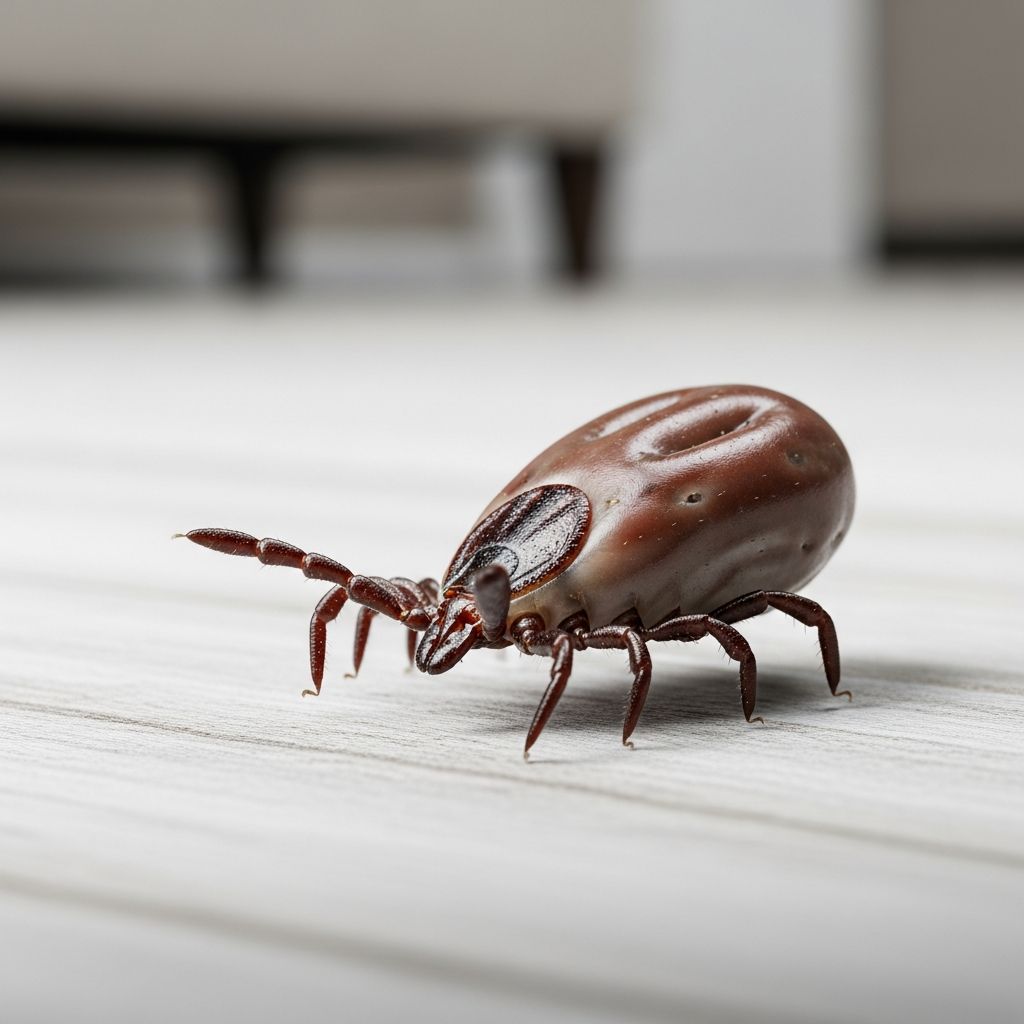
Finding a tick in your home can be unsettling, but knowing how to respond quickly and safely is essential for protecting your family and pets. Ticks are small parasitic arachnids that can transmit serious diseases such as Lyme disease and Rocky Mountain spotted fever. Understanding the proper removal and prevention techniques will help you manage this common household problem effectively.
The Dangers of Ticks in Your Home
Ticks are not just annoying pests—they pose genuine health risks to humans and animals alike. These parasites feed on blood and can transmit dangerous pathogens during the feeding process. Once a tick enters your home, it can establish itself and potentially multiply, creating an infestation that requires more aggressive treatment. The longer ticks remain in your living space, the greater the risk of contact with family members and pets.
Most ticks are brought inside by pets or by clinging to clothing after outdoor activities. However, in some situations, ticks can survive and even reproduce indoors, particularly in warm, humid environments. Understanding where ticks hide and how they behave is the first step toward effective control.
Safe Tick Removal Methods
When you discover a tick in your home, the first instinct might be to squash it. However, this approach is not recommended. A tick’s body is remarkably hard and durable, capable of withstanding crushing force that might seem sufficient to kill it. Despite your best efforts at stomping, a tick can often survive and continue to pose a threat.
Flushing: The Safest Disposal Method
The most effective way to dispose of a tick you find crawling in your home is to flush it down the toilet. Here’s the proper procedure:
- Pick up the tick using a piece of toilet paper or a small piece of paper towel
- Place the tick in the toilet bowl
- Flush immediately to ensure it’s completely removed from your home
This method ensures the tick cannot escape or reinfest your home. The toilet provides an inhospitable environment where the tick cannot survive or escape.
Removing Attached Ticks
If you discover a tick that has already attached itself to your skin or the skin of a family member, use a different approach. Grasp the tick as close to the skin as possible using a pair of fine-tipped tweezers. Pull steadily and slowly upward without twisting or jerking, as this can cause the tick’s mouthparts to break off and remain embedded in the skin. Once removed, flush the tick down the toilet as described above.
Protective Measures While Removing Ticks
Always wash your hands thoroughly after removing a tick. Avoid crushing the tick with bare fingers, as this can potentially expose you to any pathogens the tick is carrying. Wear gloves if possible, or use paper towels to create a barrier between your skin and the tick.
Natural Home Remedies for Tick Control
If you prefer to avoid chemical pesticides, several natural remedies can effectively kill ticks in your home. These methods are particularly useful for treating affected areas and preventing tick populations from establishing themselves.
Salt and Boric Acid Treatment
One of the most straightforward natural approaches involves using common household products. Sprinkle fairly generous quantities of table salt or boric acid in areas where you’ve observed tick activity. This treatment is particularly effective at killing tick larvae and eggs, disrupting the reproductive cycle and preventing future generations from developing.
Chemical Solutions for Adult Ticks
For eliminating adult ticks already present in your home, you can use substances you likely have on hand:
- Bleach
- Rubbing alcohol
- Dish detergent
Simply drop any ticks you capture into a container filled with one of these solutions. The chemical action will kill the ticks quickly and effectively. Store the container safely, away from children and pets.
Eucalyptus Oil Spray
For a more pleasant-smelling natural option, create a homemade tick spray by mixing 4 ounces of distilled water with 20 drops of eucalyptus oil. Spray this solution in areas where you’ve spotted ticks, including baseboards, corners, and other hiding spots. The eucalyptus oil has natural insecticidal properties that repel and kill ticks on contact.
Diatomaceous Earth (DE)
Diatomaceous earth is a natural powder made from the fossilized remains of diatoms. When sprinkled in areas where ticks congregate, DE damages the exoskeleton of ticks and causes them to dehydrate and die. For easy application, fill an empty talcum powder container with food-grade DE and sprinkle it on floors, in sheds, storage areas, and dog houses. You can also sprinkle DE directly on carpeting and rub it in with a broom, making it less visible while helping it reach ticks living deep within carpet fibers. Note that water destroys DE’s effectiveness, so reapply after rain or moisture exposure.
Commercial Tick Control Products
When home remedies prove insufficient, commercial pesticides designed specifically for indoor tick control can provide faster results. Look for nontoxic products that are labeled safe for indoor use, such as permethrin-based sprays. Apply these products liberally along baseboards, moldings, under cabinets, in corners, and on windowsills. Most quality products kill ticks within minutes of application.
Always follow the manufacturer’s directions exactly, paying particular attention to safety warnings and proper ventilation requirements. If you have children or pets, ensure they’re kept away from treated areas during and after application until the product has dried completely.
Understanding Your Tick Environment
Ticks thrive in warm, humid conditions. Structures like rustic cabins, storage sheds, and unair-conditioned spaces provide ideal environments for tick survival and reproduction. Air-conditioned homes are less hospitable to ticks because the reduced humidity makes survival difficult.
If you store items in non-climate-controlled spaces, inspect boxes and containers carefully before bringing them inside. Ticks can hide in stored items and enter your home this way.
Preventing Tick Entry Into Your Home
The best strategy for managing ticks is prevention. The most effective approach involves eliminating ticks from your outdoor environment before they can enter your home.
Yard and Landscaping Management
Implement these outdoor strategies to reduce tick populations:
- Keep grass cut short to reduce moisture at ground level
- Trim overgrown shrubs to allow light and air circulation beneath the branches, which reduces ground dampness
- Move woodpiles to dry locations, such as on top of used wood pallets, to ensure air circulation underneath
- Remove leaf piles after raking, as these provide ideal tick habitat
- Treat stacked stone walls by inserting tick-killing tubes containing permethrin into gaps between stones
Personal Prevention When Returning Indoors
After spending time in wooded areas or tall grass, take preventive measures before entering your home:
- Run a lint roller over your clothing, especially socks and pants, to pick up any ticks before they reach your skin
- Change clothes in an entryway or mudroom rather than throughout your home
- Place worn clothing directly into a washing machine and wash in hot water
- Shower and inspect your entire body carefully, particularly behind ears, in hair, and in skin folds
Pet Protection
Pets are common vectors for bringing ticks indoors. Regularly inspect pets after outdoor activities, use veterinarian-recommended tick prevention products, and consider limiting pet access to heavily tick-infested areas during peak seasons.
Treating High-Risk Outdoor Areas
For properties with persistent tick problems, several specialized outdoor treatment methods can significantly reduce populations:
Tick Tubes for Sheds and Storage Areas
Place permethrin-containing tick tubes in corners of storage sheds and outbuildings. Sprinkle diatomaceous earth on floors and in corners as an additional layer of protection. For outdoor shed perimeters, scatter DE around the base, but be aware that you’ll need to reapply after rainfall.
Dry-Ice Tick Trap
This innovative method attracts and captures ticks effectively. To create a dry-ice tick trap:
- Locate an old bucket or polystyrene cooler
- Punch four ½-inch holes in the sides near the bottom
- Use double-sided tape to secure the bucket to the center of a sheet of plywood
- Apply petroleum jelly, carpet tape, or fly tape around the perimeter of the plywood
- Place dry ice in the bucket
Ticks are attracted to the carbon dioxide emitted by the dry ice and will crawl toward it, becoming trapped on the sticky tape. Handle dry ice carefully using appropriate protective equipment.
When to Call Professional Help
If your DIY efforts don’t control the tick problem within a few weeks, or if you’re dealing with a significant infestation, contact one of the best pest control companies in your area. Professional exterminators have access to more powerful pesticides and specialized application equipment that can eliminate entrenched tick populations more effectively than home treatments. They can also identify the source of your tick problem and recommend specific prevention strategies for your property.
Important Safety Considerations
When using any tick control products or remedies, prioritize safety for your family and pets:
- Always read and follow product label instructions completely
- Wear protective equipment such as gloves and masks as recommended
- Ensure proper ventilation when using sprays or aerosol products
- Keep children and pets away from treated areas until surfaces are completely dry
- Store all tick control products safely away from children and animals
- Never mix different chemical products, as this can create dangerous compounds
Frequently Asked Questions
Q: Can ticks survive being flushed down the toilet?
A: No, ticks cannot survive the flush. The water pressure and sewage system make it impossible for a flushed tick to return or survive. This is the recommended safe disposal method.
Q: How long can a tick survive inside a home?
A: This depends on humidity levels. In dry, air-conditioned homes, ticks may only survive a few days. In humid environments, they can survive weeks and potentially reproduce, creating an infestation.
Q: Are natural tick remedies as effective as chemical pesticides?
A: Natural remedies can be effective for light infestations and prevention, but severe infestations often require commercial pesticides or professional treatment for faster, more reliable results.
Q: What should I do if a tick is attached to my skin?
A: Use fine-tipped tweezers to grasp the tick close to your skin and pull steadily upward without twisting. Then flush the tick down the toilet. If you’re concerned about disease transmission, save the tick in a sealed container for identification if you develop symptoms.
Q: How can I prevent ticks from entering my home?
A: Use a lint roller on clothing after outdoor activities, keep your yard well-maintained with short grass and trimmed vegetation, use pet tick prevention products, and inspect yourself and pets carefully after spending time in tick-prone areas.
Q: Is diatomaceous earth safe for use around children and pets?
A: Food-grade diatomaceous earth is generally considered safe, but minimize direct contact. Use it in areas where children and pets have limited access, such as along baseboards or in storage sheds. Always follow product instructions for safety guidance.
References
- Tick-Borne Diseases — Centers for Disease Control and Prevention (CDC). 2024. https://www.cdc.gov/ticks/
- Lyme Disease — National Institute of Allergy and Infectious Diseases (NIAID). 2024. https://www.niaid.nih.gov/diseases-conditions/lyme-disease
- Permethrin: General Fact Sheet — National Pesticide Information Center, Oregon State University. 2021. https://npic.orst.edu/factsheets/permethrin.html
- Diatomaceous Earth and Bed Bugs — University of Kentucky College of Agriculture, Food and Environment. 2023. https://entomology.ca.uky.edu/ef447
- Integrated Pest Management for Ticks — Environmental Protection Agency (EPA). 2023. https://www.epa.gov/ipm/integrated-pest-management-ticks
Similar Articles








Read full bio of medha deb