What to Know About Skylight Replacement
Complete guide to skylight replacement: costs, installation, and maintenance tips for homeowners.
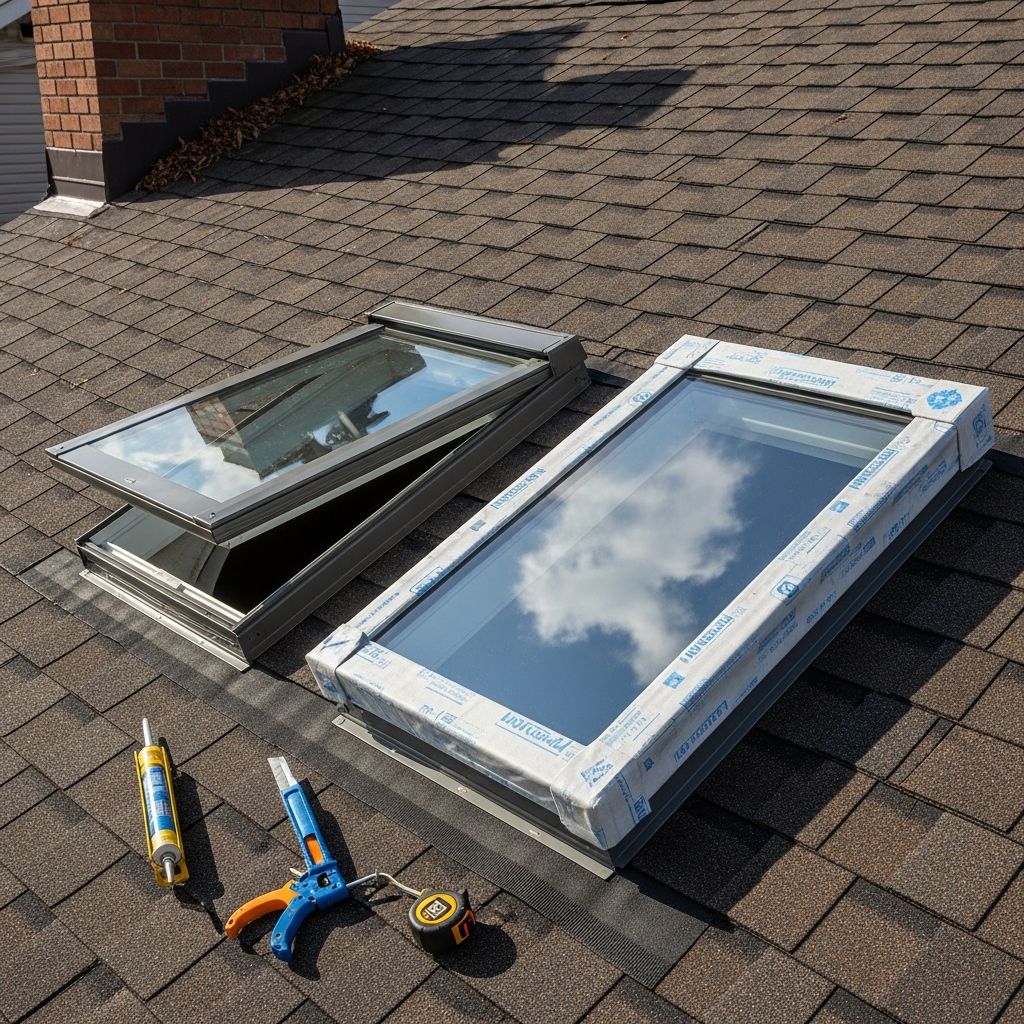
Skylights bring natural light and aesthetic appeal to homes, but they require maintenance and eventual replacement. Understanding the replacement process, costs, and options available can help homeowners make informed decisions and avoid costly mistakes. Whether you’re dealing with a leaking skylight or simply want to upgrade to a more energy-efficient model, this comprehensive guide covers everything you need to know.
When to Replace vs. Repair Your Skylight
Before investing in a full replacement, determine whether repair or replacement makes sense for your situation. Several factors influence this decision, including the age of the skylight, the extent of damage, and the cost of repairs versus replacement.
Signs Your Skylight Needs Replacement
- Water leaks or moisture around the frame
- Visible cracks or breaks in the glass or acrylic
- Condensation between panes in double-glazed units
- Discoloration, yellowing, or cloudiness of the material
- Significant drafts or heat loss
- Age exceeding 15-20 years
- Damaged or deteriorated flashing or seals
If your skylight shows multiple signs of deterioration, replacement is typically more cost-effective than repeated repairs. Older skylights often lack energy-efficient features, making them drain heating and cooling costs unnecessarily.
Understanding Skylight Types and Materials
Modern skylights come in various materials and styles, each with distinct advantages and disadvantages. Selecting the right type depends on your climate, budget, aesthetic preferences, and energy efficiency goals.
Acrylic Skylights
Acrylic skylights are lightweight, affordable, and easy to install. They provide good insulation and come in various tints. However, acrylic can yellow over time, scratch more easily than glass, and may not last as long as other options. They’re ideal for budget-conscious homeowners who prioritize affordability.
Polycarbonate Skylights
Polycarbonate is stronger than acrylic, offers superior impact resistance, and maintains clarity longer. It provides better insulation properties and handles temperature fluctuations well. The downside is higher cost compared to acrylic, though still less expensive than glass alternatives.
Glass Skylights
Glass skylights deliver premium aesthetics and exceptional clarity. They resist scratching and discoloration better than plastic options and last longer. Tempered glass provides safety benefits by crumbling rather than shattering. Glass skylights command premium prices but offer the best long-term value and appearance.
Tubular Skylights
Tubular skylights use reflective tubing to channel light through attics or upper stories, ideal for small spaces or homes without attic access. They’re less expensive than traditional skylights but provide less light and limited customization options.
Cost Considerations and Budget Planning
Skylight replacement costs vary significantly based on size, material, installation complexity, and your geographic location. Understanding the cost breakdown helps with budget planning.
Material Costs
Acrylic skylights range from $300 to $600, while polycarbonate options cost $400 to $800. Glass skylights start around $600 and can exceed $1,500 for premium double or triple-pane models. Tubular skylights typically cost $400 to $600 for materials.
Labor and Installation
Professional installation typically runs $500 to $2,000 depending on complexity, roofing material, and accessibility. Additional costs may include flashing replacement, roof repair, interior finishing, and drywall patches. Emergency roof repairs if damage is discovered during installation can increase costs substantially.
Energy Efficiency Upgrades
Investing in energy-efficient models with Low-E coatings, reflective films, or built-in blinds costs more upfront but reduces heating and cooling expenses over time. Many homeowners recoup these costs through energy savings within 5-10 years.
Preparation and Planning Steps
Proper preparation ensures a smooth replacement process and minimizes disruption to your home. Follow these planning steps before installation begins.
Assessment and Measurements
Accurately measure your skylight opening from inside and outside the home. Document the exact dimensions, orientation, and existing flashing type. Take photos of current damage and the surrounding roof area. These details help contractors provide accurate quotes and ensure proper fitment of replacement units.
Choosing Installation Timing
Plan replacement during dry weather to prevent water damage during the vulnerable transition period. Spring or early fall typically offer ideal conditions. Avoid winter months when weather is unpredictable and cold temperatures complicate sealant application. Coordinate with roofing contractors early, as they may have seasonal scheduling considerations.
Obtaining Permits and Inspections
Many jurisdictions require permits for skylight replacement, particularly if structural modifications are needed. Verify local requirements and budget for inspection fees. Proper documentation ensures your home remains insurable and maintains resale value.
Installation Methods and Techniques
Understanding the installation process helps you know what to expect and communicate effectively with contractors. Most replacements follow similar steps with variations based on skylight type and roof configuration.
Removal Process
Installers begin by protecting interior spaces with drop cloths and temporary coverings. The old skylight is carefully removed, typically in one piece if possible. The opening is inspected for rot, damage, or structural issues requiring repair. All old flashing, sealants, and debris are removed to create a clean surface for the new installation.
Preparation and Repair
Any damaged roof decking or framing is repaired before the new skylight is installed. New flashing is fitted to the opening, ensuring proper water drainage toward the roof surface. High-quality sealants and membranes prevent water infiltration around the perimeter.
Installation and Sealing
The new skylight is carefully positioned in the opening and secured according to manufacturer specifications. Flashing is integrated with roof materials and sealed completely. Multiple sealant applications ensure long-term water protection. Interior finishing, including drywall patches and trim work, completes the installation.
Energy Efficiency and Climate Considerations
Skylight energy performance significantly impacts heating and cooling costs. Consider climate and orientation when selecting replacement units.
Climate-Specific Recommendations
In hot climates, prioritize reflective or tinted glass with Low-E coatings that block solar heat while allowing light transmission. Consider ventilating skylights with motorized blinds for additional climate control. In cold climates, focus on insulation value with triple-pane glass and thermal breaks in frames. Reflective coatings help reduce heat loss during winter months.
Orientation and Solar Gain
South-facing skylights receive maximum solar gain, increasing heating in winter but intensifying cooling demands in summer. North-facing skylights provide consistent light without seasonal temperature extremes. East and west orientations experience more dramatic temperature swings. Understanding your skylight’s orientation informs selection of tinting, coating, and shade options.
Maintenance and Long-Term Care
Proper maintenance extends skylight lifespan and prevents costly replacements. Establish a regular care routine to keep your skylight performing optimally.
Regular Cleaning
Clean skylights twice yearly, removing debris, dust, and algae buildup. Use soft cloths and gentle cleaners to avoid scratching, particularly with acrylic or polycarbonate units. Inspect flashing and sealants during cleaning to catch problems early.
Inspection Schedule
Inspect skylights quarterly, particularly after severe weather. Look for cracks, seal deterioration, or water stains indicating leaks. Check interior and exterior flashing for separation or corrosion. Early detection prevents minor issues from becoming expensive water damage.
Sealant Maintenance
Reapply sealants every 5-7 years or when visible deterioration appears. Professional resealing prevents water infiltration and extends skylight lifespan significantly. This preventive maintenance costs far less than treating water damage.
Common Problems and Solutions
Understanding typical skylight issues helps you address problems promptly and prevent escalation.
Leaking Water
Water leaks often originate from deteriorated flashing rather than the skylight itself. Inspect the perimeter closely, checking for gaps, corrosion, or separation. Professional resealing or flashing replacement typically resolves the issue. Interior water stains may indicate concealed leaks requiring professional investigation.
Condensation Issues
Interior condensation suggests temperature differences between inside and outside air or inadequate ventilation. Improve attic ventilation with additional vents or fans. Apply interior window film or protective coatings to reduce condensation. In severe cases, upgrade to higher-performance glazing units.
Thermal Performance
Excessive heat loss or gain indicates worn seals or outdated glazing. Check weather stripping and apply additional caulk if needed. Consider reflective films or upgraded shades for temperature management. Complete replacement with energy-efficient units may be more cost-effective than repeated repairs.
Frequently Asked Questions
Q: How long do skylights typically last?
A: With proper maintenance, quality skylights last 15-20 years or longer. Acrylic may need replacement sooner, while glass skylights often exceed 25 years. Regular cleaning and sealant maintenance significantly extend lifespan.
Q: Can I install a skylight myself?
A: Skylight installation requires roofing expertise, proper sealing techniques, and safety precautions. Most homeowners should hire licensed contractors to ensure proper installation, appropriate permits, and warranty protection. DIY attempts often result in costly leaks and water damage.
Q: What’s the difference between skylights and roof windows?
A: Skylights are fixed and non-opening, while roof windows are operable, allowing ventilation. Roof windows cost more but provide additional functionality. Select based on your ventilation needs and budget.
Q: Do skylights increase energy bills?
A: Poorly insulated or old skylights can increase heating and cooling costs. Modern energy-efficient models with Low-E coatings actually reduce energy consumption by providing natural light, reducing artificial lighting needs.
Q: Are permits required for skylight replacement?
A: Most jurisdictions require permits for skylight installation or replacement. Requirements vary by location. Check local building codes and obtain necessary permits to ensure compliance and maintain insurability.
Q: Can existing leaks be sealed without full replacement?
A: Often, yes. Professional resealing of flashing and perimeter joints can resolve minor leaks. However, if the skylight itself is cracked or the frame deteriorated, replacement is necessary for lasting results.
Conclusion
Skylight replacement is a significant home improvement project requiring careful planning, proper material selection, and professional installation. By understanding the replacement process, evaluating material options, budgeting appropriately, and committing to regular maintenance, homeowners can enjoy years of natural light and aesthetic benefits. Whether addressing a leaking skylight or upgrading to energy-efficient models, proper approach ensures successful outcomes and long-term satisfaction.
References
- Energy.gov – Skylights — U.S. Department of Energy. 2024. https://www.energy.gov/energysaver/skylights
- National Roofing Contractors Association – Skylight Installation Guide — NRCA. 2024. https://www.nrca.net
- ICC Building Code Requirements – Skylights and Roof Windows — International Code Council. 2024. https://www.iccsafe.org
- Understanding Window and Skylight Performance Ratings — National Fenestration Rating Council. 2024. https://nfrc.org
Similar Articles





Read full bio of medha deb