When To Plant Grass Seed In Spring: Regional Timing Guide
Master the perfect timing for spring grass seeding success across all US regions.
When to Plant Grass Seed in Spring: The Complete Timing Guide
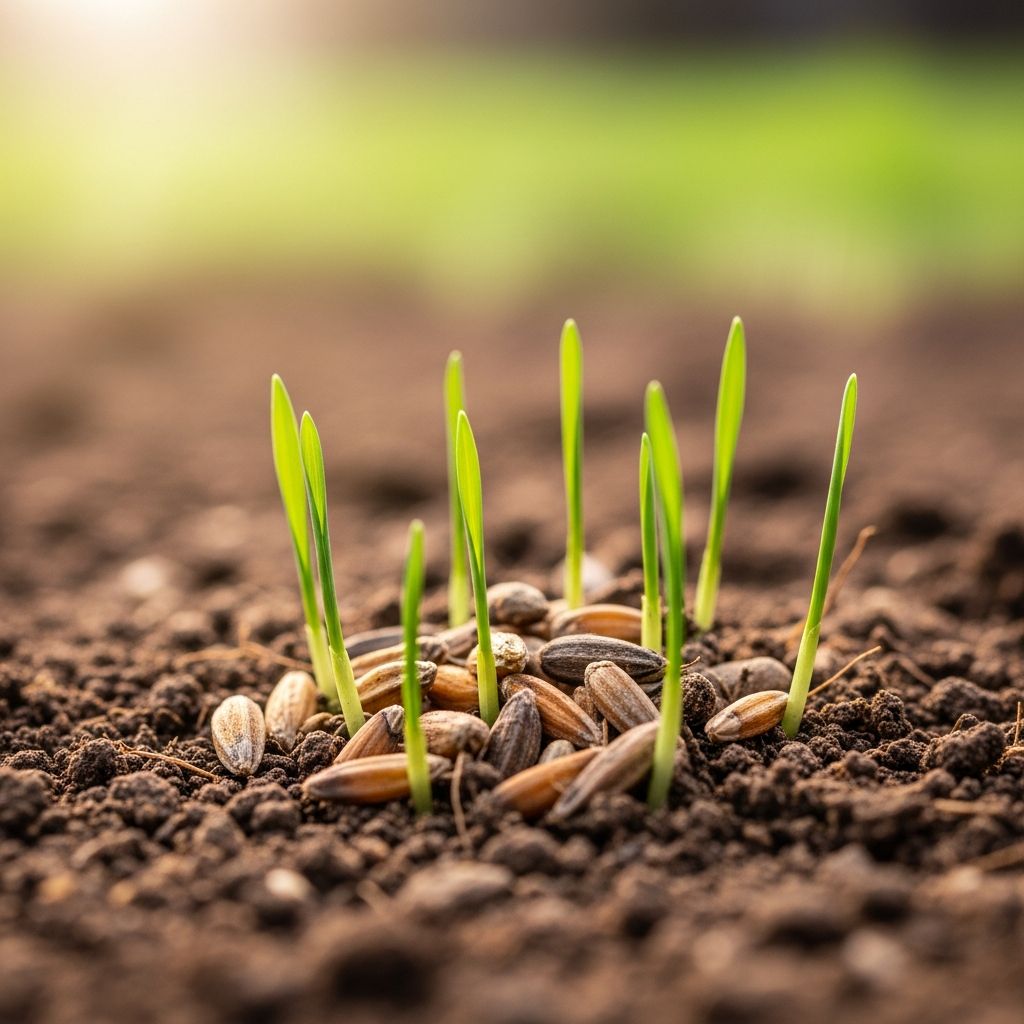
Timing is everything when it comes to planting grass seed in spring. Sow your seed too early, and cold soil temperatures will prevent germination. Wait too long, and summer heat may stress new seedlings. The key to a lush, healthy lawn starts with understanding when to plant grass seed based on your region, grass type, and current soil conditions. This comprehensive guide walks you through the ideal planting windows for different areas of the United States and provides practical preparation steps to ensure success.
Understanding Grass Types and Growing Seasons
Before discussing timing, it’s essential to understand the two primary categories of grass: cool-season and warm-season grasses. Cool-season grasses thrive in northern climates and require cooler temperatures to germinate and grow vigorously. These varieties experience peak growth in spring and fall. Warm-season grasses, on the other hand, flourish in southern and southwestern regions and require warm soil temperatures to germinate. They experience their most active growth during summer months.
The distinction between these two grass families is critical because it directly determines your optimal spring seeding window. Cool-season grasses can be planted earlier in spring when soil temperatures are moderate, while warm-season grasses must wait until soil warms significantly to ensure successful germination.
Ideal Spring Planting Times by Region
The United States spans multiple climate zones, each with distinct timing requirements for spring grass seeding. Here’s a detailed breakdown of when to plant grass seed in your region:
Northeast Region
In the Northeast, the best time to plant grass seed falls between mid-April and early May. Cool-season grasses such as Kentucky bluegrass and fescue thrive in this climate. Soil temperatures should be consistently above 50°F for optimal germination. Avoid seeding too early when the soil remains cold and wet, as this can lead to poor seed germination and increased disease risk. Similarly, avoid planting too late when summer heat begins to intensify and stress newly emerging seedlings.
Southeast Region
The Southeast presents a different challenge due to its warm climate and longer growing season. Warm-season grasses like Bermuda, St. Augustine, and Zoysia should be planted between late March and mid-May. Soil temperatures should reach approximately 65°F–70°F for optimal germination and establishment. This region’s warmer springs allow for earlier seeding compared to northern areas, but timing remains crucial. Plant too early, and late frosts can damage tender new seedlings; plant too late, and intense summer heat may prevent proper establishment.
Midwest Region
The Midwest’s continental climate requires careful timing consideration. The ideal planting window in the Midwest spans from mid-April to mid-May, depending on local temperature variations. Cool-season grasses like ryegrass and fescue perform best when soil temperatures reach at least 50°F–55°F. Late spring seeding can be risky in the Midwest due to the region’s notoriously hot summers. Seeds planted too late may struggle to establish before heat stress sets in, resulting in weak, patchy lawns.
Southwest Region
The Southwest presents unique challenges due to its arid conditions and intense heat. Warm-season grasses should be planted between late March and May when soil temperatures hover around 65°F–75°F. Because this region experiences arid conditions with limited rainfall, consistent watering is absolutely essential to help grass seeds germinate and become established. Plan to invest time in supplemental irrigation during the establishment period.
West Coast Region
The West Coast’s diverse microclimates create variable seeding windows. In coastal regions with mild year-round temperatures, seeding can start as early as February or March. Inland areas should aim for mid-March to May, depending on soil warmth and rainfall patterns. Coastal gardeners benefit from moderated ocean temperatures, while inland areas experience more pronounced seasonal temperature shifts. Consider your specific location’s typical spring weather patterns when determining your seeding date.
Critical Temperature Requirements for Germination
Soil temperature serves as the primary indicator of readiness for grass seeding. Rather than relying solely on calendar dates, successful gardeners invest in a simple soil thermometer to measure actual ground temperature. For cool-season grasses, soil temperatures must reach at least 50°F, though 50°F–65°F represents the ideal range. For warm-season grasses, soil temperatures should be consistently between 65°F–75°F for reliable germination.
Air temperature alone doesn’t accurately reflect soil conditions. Soil warms more slowly than air in spring, and cool nights can significantly lower ground temperature even after warm days. Monitor soil temperature for several consecutive days to ensure conditions have stabilized before seeding.
How to Prepare Your Lawn Before Seeding
While timing is undeniably important, thorough preparation often determines whether grass seed thrives or fails. Preparation ensures that your soil is ready to support new grass seed germination and vigorous growth. This process consists of multiple critical steps that should never be skipped, even though they require additional effort.
Level the Lawn
Before planting new seed, it’s essential to remove any rocks and debris from the seeding area. Additionally, level the peaks and valleys in your yard using a soil mixture composed of sand, topsoil, and compost. Avoid using fresh topsoil alone, as this material may contain weed seeds and excess nutrients that promote the growth of undesirable plants. A properly leveled lawn ensures uniform water distribution and prevents seed from accumulating in low spots where it may rot or be washed away.
Test Your Soil
Testing your soil for nutrient content and acidity provides valuable information for successful seeding. Use a garden store soil test kit to identify deficiencies and adjust pH as needed. This step ensures that your soil provides optimal conditions for grass germination and early growth. Based on test results, you may need to add lime, sulfur, or specific nutrients before seeding.
Remove Debris and Prepare the Soil Surface
Thoroughly clear the lawn of old grass, stones, wood, and other debris. Scratch the soil with a rake and dig approximately 6 inches deep with a spade to remove roots and break up compacted soil. Consider using a rototiller to thoroughly loosen the top 6 inches of soil. Mix in amendments, mulch, or compost based on your soil test results. Smooth the entire area, breaking up any remaining clumps to create an even seedbed.
Weather Considerations for Spring Seeding
Weather conditions in the days before and after seeding significantly impact seed germination success. Monitor your local forecast carefully before spreading seed. Light rain following seeding can actually benefit germination, but heavy downpours may wash newly planted seeds away before they can take root. Similarly, check the forecast for the week following seeding to ensure heavy storms aren’t approaching your area.
Prepare your lawn when the ground is sturdy and free of mud puddles, which can lead to disease and poor seed-to-soil contact. Avoid planting during windy weather, as strong winds can blow newly spread seeds across your existing lawn or expose them to excessive drying. The ideal seeding day features mild temperatures, calm winds, and moist (but not saturated) soil conditions.
Expert Seeding Techniques for Success
Once you’ve selected the perfect timing and prepared your lawn, proper seeding technique becomes crucial. Use a broadcast or drop spreader in large areas and a hand spreader in smaller spaces to ensure uniform seed distribution. Set your spreader to the manufacturer’s recommended rate for your chosen grass seed variety.
For optimal coverage, fill your spreader with only half the total seeds needed. Make one pass in one direction across the lawn, then make a second pass in the opposite direction in a crisscross pattern. This technique ensures more uniform seed distribution and reduces bare spots.
After spreading seed, apply a thin layer of peat moss over the soil to lock in moisture. This top-dressing also prevents seeds from washing away during heavy rain and protects them from birds. Apply a starter fertilizer before covering and tamping the soil. Starter fertilizers are low in nitrogen, which is important because excess nitrogen can encourage weed growth and compete with new grass seedlings.
Watering and Aftercare
Newly seeded lawns require consistent moisture for germination, but overwatering can cause problems. During the first week or two following seeding, run a sprinkler at a low setting two or three times daily for five to 10 minutes each session. This frequent, light watering keeps the soil consistently moist without creating waterlogged conditions. After germination begins, gradually reduce watering frequency while increasing duration to encourage deeper root growth.
Frequently Asked Questions About Spring Grass Seeding
Q: Is March too early to plant grass seed?
A: For most of the United States, March is too early to plant grass seed. Unless you live in a warm southern region, temperatures will be too low in March for reliable germination. Wait until daily temperatures average around 80°F to plant warm-season grass varieties and 50–65°F for cool-season grass. Check your region’s specific recommendations and monitor soil temperature directly.
Q: Can you plant grass seed too early in the spring?
A: Yes, planting grass seed too early in spring can cause poor germination, which harms growing seeds and wastes both time and money. Cold soil temperatures prevent seeds from absorbing water properly, leading to rot and fungal diseases. Wait for air and soil temperatures to warm sufficiently before seeding. Different grass varieties have different temperature requirements, so always check seed labels for specific temperature thresholds.
Q: What month is best to put grass seed down?
A: The best month for grass seeding depends on your grass type and location. For cool-season grasses, early fall (around September) and spring (April-May) are both excellent times. For warm-season grasses, late spring (May) and early summer (June) represent the optimal window. Spring seeding works well for both types when timing aligns with your region’s temperature patterns.
Q: Can you plant grass seed in the fall to get it to grow in the spring?
A: Yes, you can plant grass seed in the fall using a method called dormant seeding. This technique involves spreading seed while the ground is cold enough to prevent germination but before the soil freezes completely. The seeds remain dormant through winter and germinate naturally as soil temperatures rise in spring. This method works particularly well for cool-season grasses and can give you a head start on spring growth.
Q: How often should I water newly seeded areas?
A: Newly seeded areas require frequent, light watering during the first one to two weeks. Run sprinklers two to three times daily for five to 10 minutes per session to keep soil consistently moist. After seeds germinate and seedlings begin to emerge, gradually reduce watering frequency while increasing duration to encourage deeper root development. By week three, you can typically transition to normal watering schedules.
Q: Should I fertilize before or after planting grass seed?
A: Apply starter fertilizer before planting grass seed to provide nutrients for germination and early growth. Starter fertilizers contain lower nitrogen levels than regular lawn fertilizers, which is important because excess nitrogen can promote weed growth and compete with new grass. Apply the starter fertilizer according to label directions, working it into the soil before spreading seed.
Common Mistakes to Avoid
Many homeowners make preventable mistakes that compromise their spring seeding success. Planting without soil preparation is perhaps the most common error—skipping prep work may seem faster, but it inevitably leads to weak grass that struggles to compete with weeds. Always remove old grass, rocks, and debris, and ensure healthy soil composition before seeding.
Seeding at incorrect temperatures represents another frequent mistake. Planting too early in cold soil leads to poor germination and disease. Similarly, planting too late leaves seedlings stressed during summer heat. Use a soil thermometer to verify actual ground temperature rather than guessing based on calendar dates.
Inadequate watering also sabotages spring seeding efforts. New grass seed requires consistent moisture but not waterlogged conditions. Watering once or twice per week is insufficient during the germination phase. Plan for daily watering for at least the first two weeks after seeding.
Conclusion: Timing Your Spring Grass Seeding for Success
Successful spring grass seeding depends on understanding your region’s climate, monitoring soil temperature, preparing your lawn thoroughly, and choosing the right planting time for your specific grass type. Whether you’re planting cool-season grasses in the Northeast or warm-season varieties in the Southeast, the principles remain consistent: wait for appropriate soil temperatures, prepare your lawn carefully, and follow proper seeding and watering techniques.
By following this comprehensive guide and paying attention to your local conditions, you’ll be well-positioned to establish a thick, healthy lawn that thrives throughout the growing season. Remember that patience in spring seeding pays dividends throughout the year with improved lawn appearance, better disease resistance, and reduced weed pressure.
References
- Exactly When to Plant Grass Seed in Spring — This Old House. Accessed December 3, 2025. https://www.thisoldhouse.com/lawns/when-to-plant-grass-seed-in-spring
- How To Grow Grass Fast — This Old House. Accessed December 3, 2025. https://www.thisoldhouse.com/lawns/grow-grass-fast
- How to Seed a New Lawn — This Old House. Accessed December 3, 2025. https://www.thisoldhouse.com/lawns/21017110/how-to-seed-a-new-lawn
- Spring Lawn Care Tips — This Old House. Accessed December 3, 2025. https://www.thisoldhouse.com/lawns/spring-lawn-care-tips
Similar Articles





Read full bio of Sneha Tete