Which Tile Backer Board Is Best for Showers and Wet Areas
A comprehensive guide to selecting the best tile backer board for durable, waterproof shower walls and wet areas.
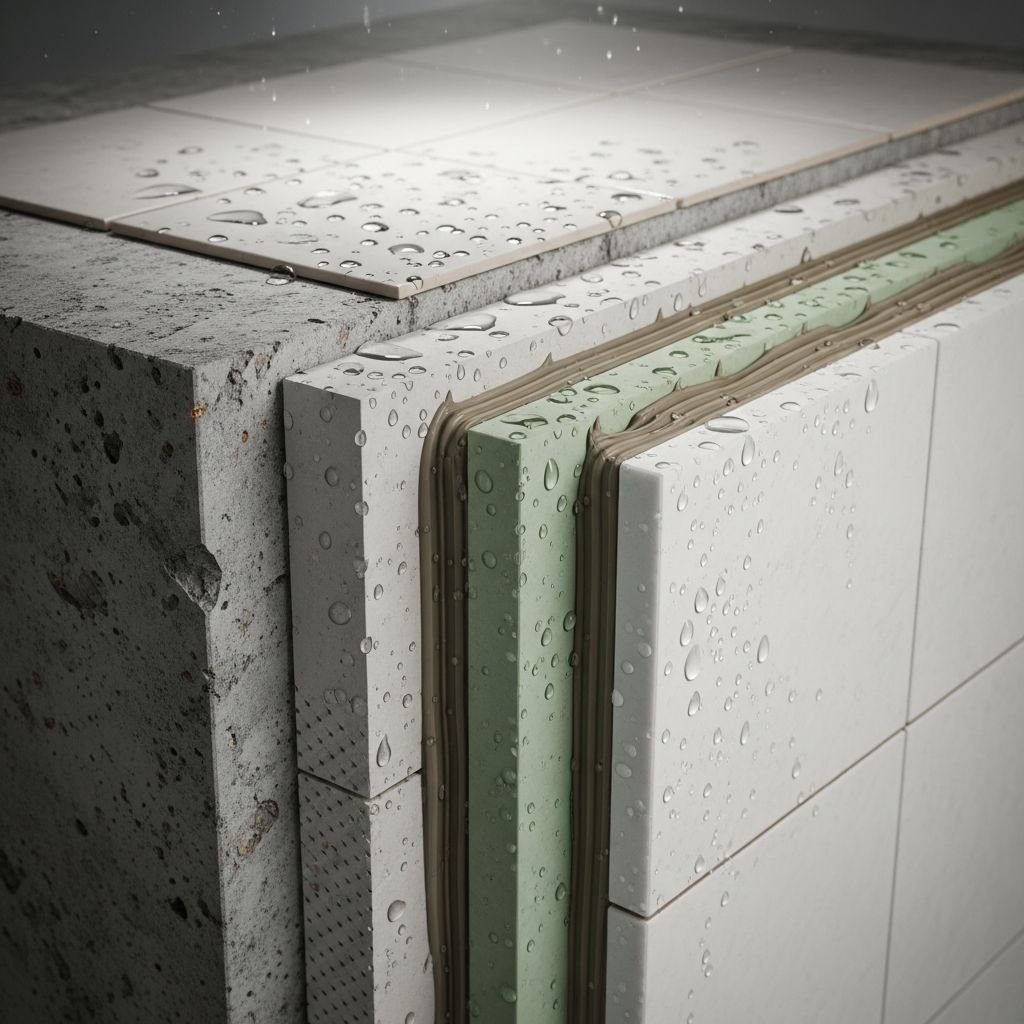
Choosing the right tile backer board for showers or any wet area is critical to ensuring a long-lasting, waterproof installation that protects your walls and prevents mold and water damage. While numerous types of backer boards exist, each with different materials, costs, and installation requirements, understanding their pros and cons will help you make an informed decision.
Why Drywall Is a Poor Choice for Shower Walls
Despite its common use in many home areas, drywall (often referred to as Sheetrock) is not suitable as a tile backer in wet areas such as showers. Drywall absorbs water quickly and deteriorates when exposed to moisture, which leads to failures like mold growth, wall rot, and tile adhesion problems.
While drywall can be acceptable for dry locations like kitchen backsplashes or wainscoting, showers should never rely solely on drywall beneath tile unless combined with specialized waterproofing systems such as the Schluter Kerdi membrane applied correctly over cement board backing.
Bottom line: Drywall is a major no-no for shower walls unless used with a complete waterproof membrane system. Otherwise, opting for a dedicated tile backer board is essential for longevity and performance.
Understanding Fiber-Cement Backer Boards: Hardibacker and Similar Products
Hardibacker and Fiberock are among the common fiber-cement tile backer boards available at most home improvement stores. These boards are typically gray or beige and offer improved moisture resistance compared to drywall.
- Water absorption: These fiber-cement boards are not waterproof but can withstand moisture without losing structural integrity because they dry out over time.
- Waterproofing requirement: Because they absorb water, they require a waterproof barrier — either a vapor barrier behind or a waterproof membrane or liquid applied on the front surface — to keep shower walls dry.
- Durability: These boards have moderate durability and are a solid choice in showers as long as waterproofing protocols are followed.
DIYTileGuy’s rating: Good
Cement Backer Boards: Durock, Permabase, and Their Advantages
Cement boards are made from cement reinforced with fiberglass mesh and include popular brands like Durock and Permabase. They are commonly used in wet areas due to their sturdiness and resistance to moisture damage.
- Cutting and handling: Cement boards can be heavy and difficult to cut cleanly due to crumbly edges, requiring some skill and proper tools.
- Water resistance: While more water resistant than fiber-cement board, cement boards still absorb some moisture and must be paired with a waterproof membrane or vapor barrier as per industry standards.
- Improved design: Modern cement boards come with reinforced edges that allow better screw holding and reduce crumbling during installation.
DIYTileGuy’s rating: Better
Waterproof Foam Backer Boards vs. Cement Boards
Waterproof foam backer boards, such as Wedi board, offer several attractive advantages compared to traditional cement-based boards, especially for shower walls and other wet environments.
| Feature | Foam Backer Board | Cement Board |
|---|---|---|
| Weight | Lightweight, easy to handle | Heavy, cumbersome to lift and secure |
| Waterproof | 100% waterproof with no absorption | Water resistant but not waterproof, requires membrane |
| Cutting | Easy to cut with hand tools | Difficult to cut, edges crumble |
| Cost | More expensive material and accessories | Less expensive, widely available |
| Installation accessories | Requires proprietary fasteners, sealants, and banding | Uses standard screws, requires waterproof membrane |
While foam backer boards come at a higher upfront price—including additional costs for specific accessories—they perform reliably in wet conditions without extra waterproof membranes. Installers looking for a sure, durable, and waterproof system often prefer Wedi board or comparable foam core products like Kerdi board or Finpan’s Propanel.
Notes on Finpan’s Propanel: It’s a foam core board but less rigid than Wedi, making it more flexible and sometimes necessitating closer stud spacing or additional blocking to prevent movement that could crack tiles.
DIYTileGuy’s rating: Best
Installation Tips for Backer Boards
Proper installation is just as important as choosing the right backer board. Here are some key recommendations:
- Use manufacturer’s fasteners: Foam backer boards often require special screws and waterproof sealing accessories.
- Leave proper gaps and overlaps: Maintain a small gap (typically 1/4 inch) between sheets to avoid buckling and ensure proper waterproof sealing of seams.
- Apply waterproof membranes correctly: Fiber-cement and cement boards need a waterproof barrier, which can be a liquid applied membrane or a sheet membrane like Schluter Kerdi.
- Seal penetrations thoroughly: Around plumbing pipes, valves, and corners, use appropriate waterproofing seals and banding materials.
Choosing the Right Backer Board for Your Project
Summarizing the above options helps clarify which backer board might best suit your project and budget:
| Backer Board Type | Water Resistance | Ease of Installation | Cost | Suitability for Showers |
|---|---|---|---|---|
| Drywall | Poor (not recommended) | Easy | Low | Not suitable |
| Fiber-cement Board (Hardibacker) | Moderate (needs waterproofing) | Moderate | Moderate | Suitable with membrane |
| Cement Board (Durock, Permabase) | Better (needs waterproofing) | Difficult | Moderate | Very suitable with membrane |
| Foam Backer Board (Wedi, Kerdi, Propanel) | Excellent (100% waterproof) | Easy | High | Best choice for waterproofing |
Frequently Asked Questions (FAQs)
Q: Can I tile directly over drywall in a shower?
A: No, drywall is not designed to handle moisture and will fail over time. It is only acceptable with a fully waterproof membrane system installed correctly. Otherwise, use a proper tile backer board.
Q: Do cement boards need a waterproof membrane?
A: Yes. Cement boards are more moisture-resistant than drywall, but they still absorb water and require a waterproof membrane behind or over them to protect the walls.
Q: Are foam backer boards more expensive than cement boards?
A: Yes. Foam backer boards have a higher upfront material cost and require special installation accessories that add to the total price. However, they simplify waterproofing and installation in wet areas.
Q: What is the easiest tile backer to cut and install?
A: Foam backer boards are the easiest to cut with common hand tools and are lightweight, making them simple to install, especially compared to cement boards which are heavy and crumbly at edges.
Q: Can I improve foam backer board installation stability?
A: For more flexible foam boards like Finpan’s Propanel, using closer stud spacing (12 inches vs. the typical 16 inches) or adding blocking prevents flexing that can crack tiles.
References
- Tile Backer Board Breakdown: Which is Best for Wet Shower Areas — DIY Tile Guy. 2024-04-10. https://www.diytileguy.com/shower-tile-backer-board/
- Why I Chose Cement Board for my Shower — YouTube (Home Renovision DIY). 2023-11-15. https://www.youtube.com/watch?v=N_qtOMPhNf8
Similar Articles



Read full bio of medha deb