Whitewashing Wood Furniture Guide
Transform your old wood pieces into stunning whitewashed treasures with simple techniques and everyday supplies for a rustic coastal vibe.
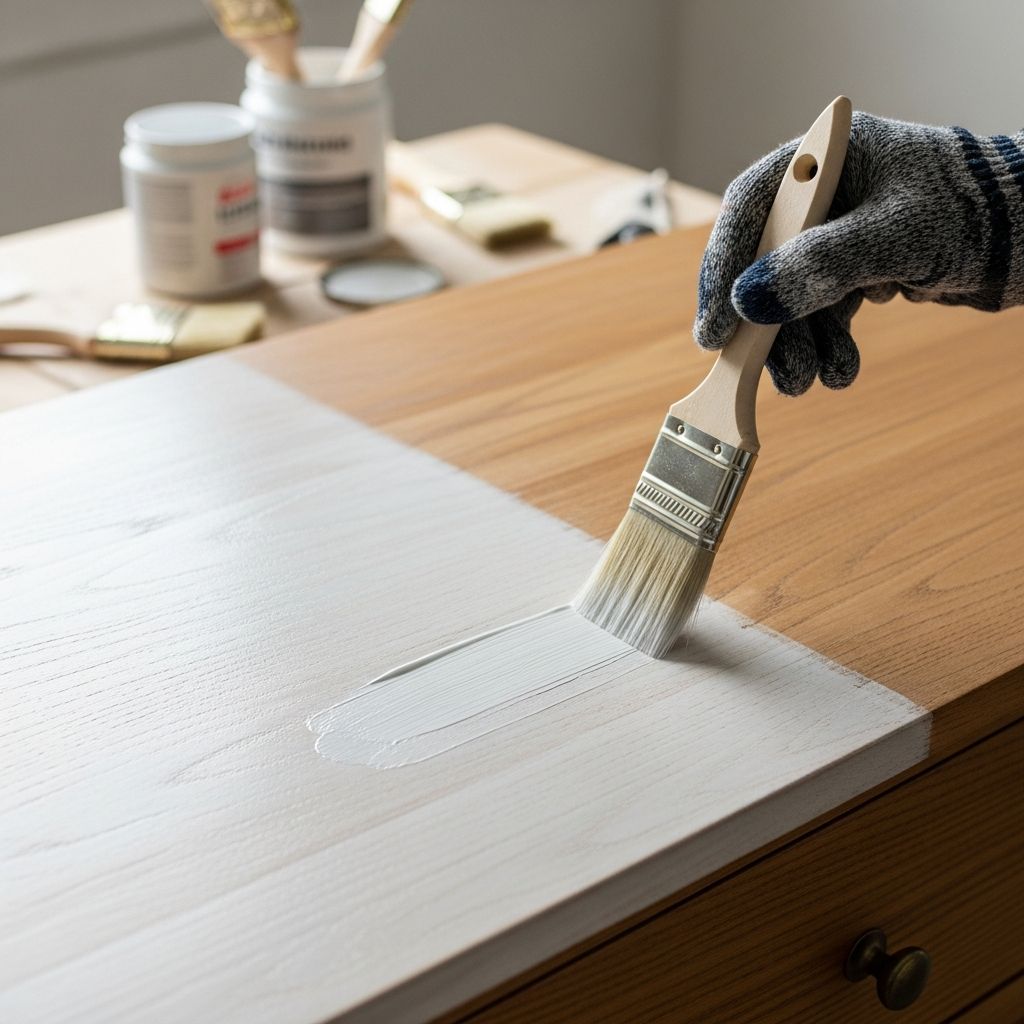
Whitewashing wood furniture offers a timeless way to refresh pieces, blending soft white tones with the natural grain for a coastal or farmhouse aesthetic. This technique lightens wood while highlighting its texture, making it ideal for tables, chairs, and cabinets. Unlike full painting, whitewashing allows the underlying wood to shine through, creating depth and character.
Understanding Whitewash Techniques
Whitewashing involves applying a diluted white paint mixture that partially adheres to the wood surface and grain. Popular for its simplicity, it suits both beginners and seasoned DIYers. Common approaches include using chalk paint, latex paint, or specialized stains, each yielding slightly different opacities and finishes.
Key benefits include quick application, minimal sanding in some cases, and versatility across wood types like pine, oak, and reclaimed timber. Results mimic aged beach wood, perfect for modern rustic interiors.
Essential Tools and Materials
Gather these items before starting to ensure a smooth process:
- White chalk or latex paint (water-based preferred)
- Water for dilution
- Mixing container (glass jar or metal tray)
- Paintbrushes (natural bristle for best absorption)
- Lint-free rags or cloths
- Sandpaper (80, 120, 220 grit)
- Electric sander (optional for large surfaces)
- Wire brush for grain cleaning
- Protective gear: goggles, mask, gloves
- Sealer: wax, polyurethane, or clear topcoat
- Cleaning supplies: TSP substitute, vinegar solution
These tools handle preparation through finishing, promoting safety and efficiency.
Preparing Your Wood Surface
Proper prep is crucial for adhesion and even results. Start by cleaning thoroughly to remove dirt, grease, and residue, which can cause blotchy finishes.
Cleaning Steps
- Wipe with a damp cloth and mild soap or TSP substitute.
- Tackle grease spots with a vinegar-water mix (1:1 ratio).
- Inspect for splinters, cracks, or tape remnants; repair as needed.
- Rinse and dry completely.
Sanding for Optimal Results
Though some methods skip sanding, it ensures smoothness and paint penetration. Begin with 80-grit to strip old varnish or scratches, progress to 120-grit for leveling, and finish with 220-grit for a silky feel. Use an electric sander on flat areas and hand-sand details. Follow with a wire brush along the grain to lift dust, then damp-wipe and air-dry.
For no-sand options on sealed or painted wood, test a small area first—success depends on surface condition.
Creating the Perfect Whitewash Mixture
The mix ratio determines opacity: more water for translucent, less for coverage. Experiment on scrap wood.
| Method | Paint Amount | Water Amount | Best For |
|---|---|---|---|
| Chalk Paint | 1 tbsp | 1 cup | Light limed effect |
| Latex Paint | 1/4 cup | 1 cup | Medium coverage |
| Denser Blend | 2 tbsp | 1 cup | Bolder white tone |
Stir vigorously until uniform. Chalk paint dries fast, so work in sections. Annie Sloan’s method thins paint slightly for grain emphasis.
Application Methods for Stunning Finishes
Choose based on desired look: subtle or pronounced.
Method 1: Brush and Wipe
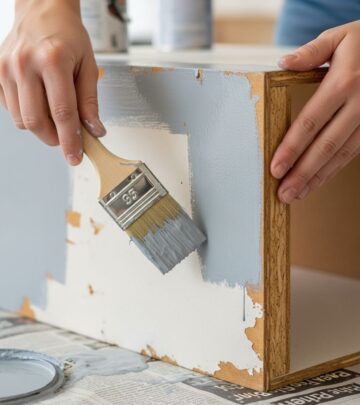
Apply thinly with a brush along the grain. Wait 1-5 minutes, then wipe excess with a lint-free rag in grain direction. Repeat for buildup. This leaves paint in pores for contrast.
Method 2: Brush and Blend
Brush on, then blend without wiping, using a drier brush to push into grain. Ideal for even, non-transparent results. Multiple coats deepen tone.
Method 3: Rag Application
Dip rag in mix, rub onto wood, and wipe excess immediately. Great for control on curves.
Always follow grain to avoid streaks. Test first—adjust ratio if too sheer or heavy.
Advanced Prep: Bleaching for Brighter Base
For dark woods, two-part wood bleach evens tone before whitewashing. Apply Solution A (sodium hydroxide), wait 5-10 minutes; follow with Solution B (hydrogen peroxide). Let sit hours or overnight, neutralize with vinegar-water, then rinse and dry. Sand lightly post-bleach. This step yields crisp whites on oak or mahogany.
Sealing and Protecting Your Masterpiece
Seal to prevent wear and yellowing. Options:
- Wax: Buff on clear or dark wax for matte sheen and protection.
- Polyurethane: Water-based for durable gloss; apply thin coats.
- Topcoat: Chalk paint-specific for flexibility.
Sand lightly between coats (320-grit). Cure 24-48 hours before use.
Troubleshooting Common Issues
Uneven color? Sand and reapply. Streaks? Work grain direction, thin mix more. Fast drying? Increase water, work smaller areas. Yellowing? Use UV-resistant sealer.
| Problem | Solution |
|---|---|
| Blotchy finish | Clean thoroughly; prime if porous |
| Too transparent | Add paint to mix; more coats |
| Raised grain | Light sand after first coat |
Project Ideas and Inspiration
Revamp a farmhouse table: bleach base, whitewash top for contrast. Update chairs for dining sets. Transform cabinets into coastal vanities. Pair with greenery for boho vibes or metals for industrial edge.
FAQs
Do I need to sand before whitewashing?
Not always—clean surfaces work with wipe-on methods, but sanding ensures best adhesion and smoothness.
How long does whitewash last?
Sealed properly, 5-10 years with moderate use; refresh as needed.
Can I whitewash over stain?
Yes, after light sanding and cleaning.
What’s the difference between whitewash and limewash?
Whitewash uses paint; limewash is mineral-based for textured, breathable finish.
Is chalk paint best for whitewashing?
Yes, its texture grips grain well and dries quickly.
References
- How to Whitewash Wood with Chalk Paint | Step-by-Step Tutorial — Annie Sloan (YouTube). 2023. https://www.youtube.com/watch?v=7XdwIM9iwhw
- How to Sand, Bleach, and Whitewash Wood Furniture — The Coastal Oak. 2022-10-15. https://www.thecoastaloak.com/how-to-sand-bleach-and-whitewash-wood-furniture/
- How to whitewash wood – easy furniture flip — Chalking Up Success. 2023. https://chalkingupsuccess.com/how-to-whitewash-wood/
- How To White Wash A Table In Under 30 Minutes — Shabbyfufu. 2022. https://shabbyfufu.com/how-to-whitewash-farmhouse-table-quickly/
Similar Articles



Read full bio of medha deb