Why There’s Mold in Your Basement and How to Prevent It
Discover the root causes of basement mold and proven prevention strategies to keep your home safe and dry.
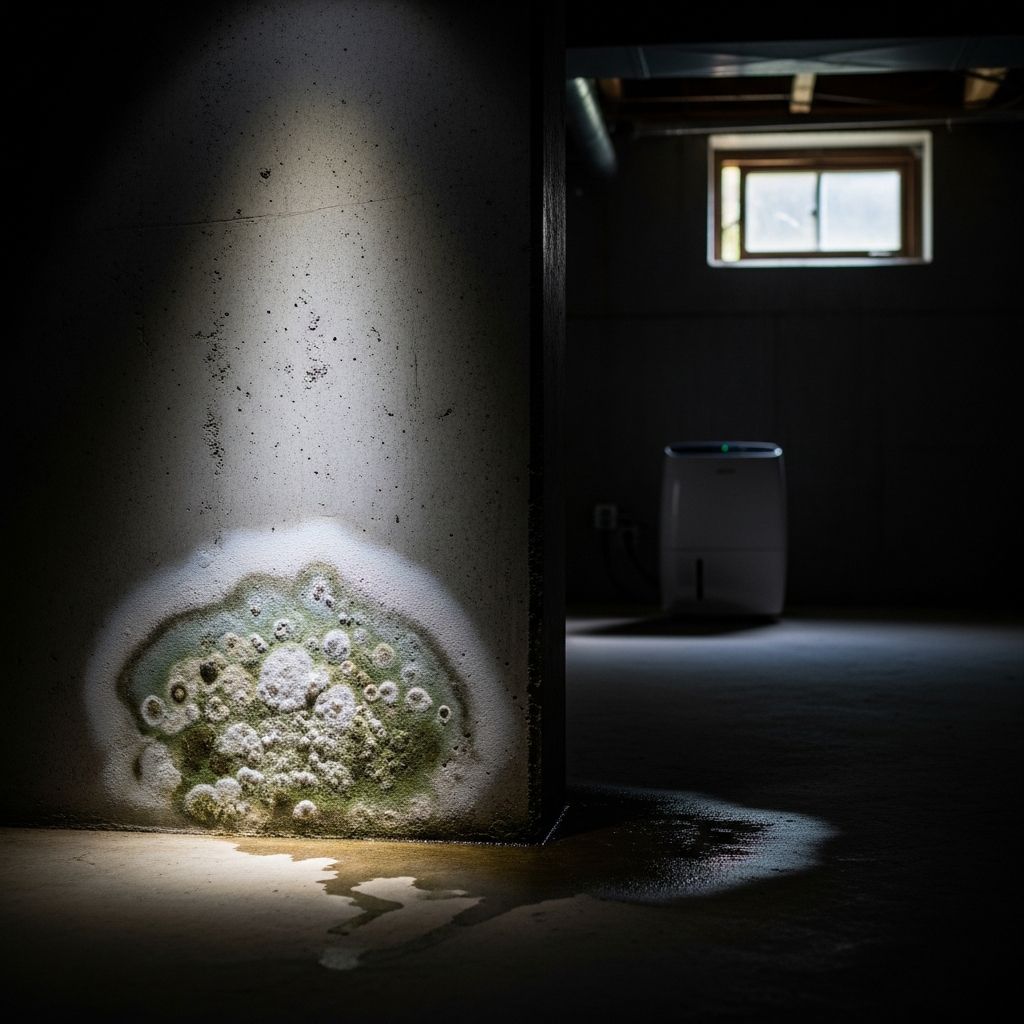
Basements are one of the most common areas in homes where mold thrives. The combination of underground location, limited natural light, poor air circulation, and high moisture levels creates an ideal environment for mold spores to land and proliferate. Understanding why mold grows in basements and implementing preventive measures can save you from costly repairs, health issues, and structural damage. This comprehensive guide explores the root causes of basement mold and provides actionable strategies to keep your basement dry, healthy, and mold-free.
Understanding Why Mold Grows in Basements
Mold is a type of fungus that requires specific conditions to grow: moisture, organic materials, and the right temperature. Basements naturally provide all three of these conditions, making them particularly vulnerable to mold infestations. The underground location of basements means they are constantly exposed to groundwater, soil moisture, and humidity levels that above-grade areas rarely experience.
Common Causes of Basement Mold
Several factors contribute to mold development in basements. Identifying these causes is the first step toward effective prevention.
- Leaky pipes and foundation cracks: Even small leaks can provide sufficient moisture for mold to establish colonies. Foundation cracks allow water seepage from surrounding soil, creating damp conditions conducive to mold growth.
- Poor ventilation and airflow: Stale, stagnant air in basements traps humidity and moisture, creating pockets where mold can flourish. Limited air circulation prevents moisture from evaporating naturally.
- High humidity levels: Basements naturally maintain higher humidity than other areas of the home. When humidity exceeds 60 percent, mold becomes increasingly likely to develop on surfaces.
- Flooding and water seepage: Heavy rain, melting snow, and groundwater intrusion can saturate basements with water, providing abundant moisture for mold colonies to establish quickly.
- Condensation: Temperature differences between cold basement walls and warmer indoor air can cause condensation to form on surfaces, adding to the moisture problem.
Once mold spores land on any of these wet or damp surfaces, they begin to germinate and grow rapidly. Without intervention, small mold problems can expand into serious infestations within weeks.
The Health and Structural Impact of Basement Mold
Basement mold is more than just an aesthetic problem. Prolonged exposure to mold can trigger respiratory issues, allergies, and asthma symptoms in household members, particularly children and individuals with compromised immune systems. Structurally, mold can compromise the integrity of wood beams, joists, and other building materials, leading to expensive repairs or replacement.
Black mold, or Stachybotrys chartarum, deserves special attention due to its potential health hazards when inhaled in large quantities. Severe black mold infestations should be handled by professional remediation services rather than attempted as DIY projects.
Comprehensive Basement Mold Prevention Strategies
Fix Leaks in Foundation and Plumbing
Addressing water intrusion is perhaps the most critical step in mold prevention. Water must stop entering your basement before mold can be effectively controlled. Regular inspections should focus on identifying and repairing:
- Cracks in basement walls, floors, and foundation
- Leaky pipes, drains, and plumbing connections
- Gaps and deterioration around basement windows and doors
- Issues with floor drains that may allow backflow from sewer systems
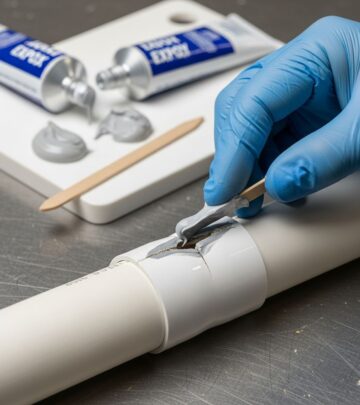
Foundation cracks can be sealed with waterproof filler materials, while plumbing leaks should be repaired immediately by a licensed plumber. Even minor leaks that go unnoticed in finished basements with hidden pipes can eventually feed significant mold colonies.
Improve Basement Ventilation
Proper air circulation is essential for controlling moisture and preventing mold. Stale air traps humidity and prevents natural evaporation of moisture. Enhance basement ventilation through:
- Installing exhaust fans in bathrooms and laundry rooms to directly remove moist air
- Opening basement windows whenever weather permits to allow fresh air circulation
- Using portable fans to encourage air movement throughout the space
- Installing HVAC systems with HEPA filters that can handle the entire basement area
- Ensuring your home’s overall ventilation system includes basement spaces
Better airflow helps keep the basement dry by allowing moisture to evaporate rather than accumulating on surfaces. Improved ventilation also reduces musty odors and allergens associated with damp environments.
Control Humidity Levels with Dehumidifiers
A basement dehumidifier is one of the most effective tools for mold prevention. The ideal humidity range for basements is between 30 and 50 percent. Humidity above 60 percent significantly increases the risk of mold development.
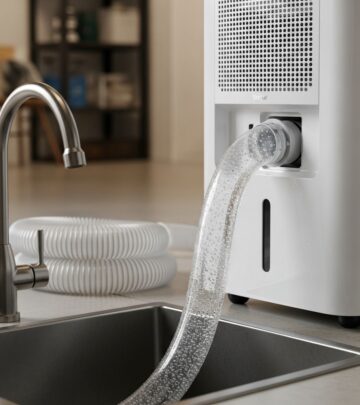
When selecting a dehumidifier, choose one with capacity sufficient to handle your entire basement square footage. Set the device to maintain humidity below 60 percent, ideally around 50 percent. For maintenance, empty the tank regularly or connect the dehumidifier to a floor drain for automatic drainage. During summer months when humidity naturally rises, running your dehumidifier continuously may be necessary.
Monitoring humidity levels is straightforward with a hygrometer—an inexpensive device that measures moisture in the air. Check humidity levels weekly and adjust dehumidifier settings as needed to maintain optimal levels.
Waterproof Walls and Floors
Basement waterproofing prevents moisture from entering through walls and floors, addressing the problem at its source. Effective waterproofing measures include:
- Applying waterproof sealant or paint to basement walls and floors
- Installing a sump pump system to remove groundwater that collects beneath the basement floor
- Adding vapor barriers on basement walls and under floors to block moisture migration
- Installing interior drainage systems that channel water away from living spaces
These upgrades can make a substantial difference, particularly in older homes with aging foundations or in regions with high water tables. While waterproofing represents an initial investment, it provides long-term protection against moisture intrusion and significantly reduces the likelihood of mold problems.
Apply Mold-Resistant Products and Materials
If you’re remodeling or finishing your basement, selecting mold-resistant building materials and finishes provides added protection. Specialty products designed for basement environments include:
- Mold-resistant drywall (also called green board or moisture-resistant drywall) that resists mold colonization
- Anti-microbial paints and primers that inhibit mold growth on painted surfaces
- Waterproof flooring systems designed specifically for basement installations
- Mold-resistant wood products and composites for framing and trim
These materials cost slightly more than standard building supplies but offer substantial long-term protection and reduced maintenance requirements. Discuss mold-resistant options with your contractor when planning any basement renovation project.
Ensure Proper Insulation
Condensation forms when warm indoor air contacts cold basement surfaces—a common source of moisture. Proper insulation reduces condensation by minimizing temperature differences. Key insulation strategies include:
- Insulating cold water pipes to prevent condensation buildup
- Installing vapor barriers alongside insulation to block moisture migration through walls
- Insulating basement walls to reduce temperature variations that cause condensation
These measures are particularly important in cold climates where basement temperatures drop significantly during winter months.
Seasonal Mold Prevention Tips
Different seasons present unique challenges for basement mold prevention. A year-round maintenance approach addresses these seasonal variations:
| Season | Challenge | Prevention Action |
|---|---|---|
| Spring | Flooding from melting snow and spring rains | Inspect basement for water intrusion; test sump pump; check drainage systems |
| Summer | High outdoor humidity | Run dehumidifiers continuously; monitor humidity levels; ensure ventilation is working |
| Fall | Debris clogging drainage systems | Clean gutters and downspouts; inspect grading around foundation; test drainage |
| Winter | Condensation from temperature differences | Insulate pipes; check basement insulation; monitor for condensation on cold surfaces |
Staying ahead of mold requires proactive habits throughout the year. Regular inspections and maintenance prevent small issues from developing into serious infestations.
Effective Cleaning and Removal Solutions
If mold already exists in your basement, several effective cleaning solutions can remove it, provided the infestation isn’t severe. Before using any cleaning products, ensure proper ventilation by opening windows and using fans.
DIY Mold Removal Options
- Vinegar solution: Mix equal parts white vinegar and water in a spray bottle. Spray affected areas, allow to sit for one hour, then scrub with a brush and rinse thoroughly. This mild solution is safe for most surfaces but shouldn’t be used on wood or natural stone.
- Hydrogen peroxide: Pour 3 percent hydrogen peroxide into a spray bottle, apply to moldy surfaces, and let sit for up to 30 minutes. Scrub with a bristle brush and rinse thoroughly.
- Baking soda solution: Mix one part baking soda with two parts water to create a paste. Apply to moldy surfaces, let sit for at least 15 minutes, then scrub and rinse.
- Borax solution: Mix borax with water to create a cleaning solution. Spray on moldy surfaces and let sit for 20 to 30 minutes before scrubbing and rinsing.
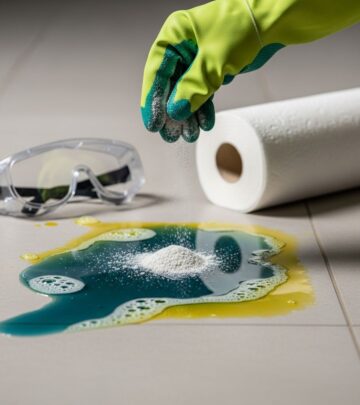
Important safety note: Never mix bleach with ammonia or other cleaning products, as this creates toxic chlorine gas. Always work in well-ventilated areas and wear protective equipment when handling cleaning solutions.
When to Call Professionals
Severe mold infestations, particularly those involving black mold, should be handled by professional remediation services. Professional mold removal ensures complete elimination of mold spores and roots, preventing regrowth. Professionals may recommend replacing severely damaged materials such as drywall or carpeting to fully resolve the problem.
Frequently Asked Questions About Basement Mold
Q: What humidity level is ideal for basements?
A: The optimal humidity range is 30 to 50 percent. Mold becomes a significant hazard at 70 percent or above. Most experts recommend maintaining basement humidity below 60 percent using dehumidifiers and proper ventilation.
Q: How often should I inspect my basement for mold?
A: Regular inspections should occur monthly, with particular attention during seasons when moisture problems are most likely (spring for flooding, summer for high humidity). Check for visible mold, musty odors, water stains, and signs of water intrusion.
Q: Can I remove black mold myself?
A: Small areas of black mold can sometimes be cleaned with DIY solutions, but severe infestations require professional remediation. Black mold poses health risks when spores are inhaled in large quantities, so professional handling is often the safest option.
Q: Is a sump pump necessary for mold prevention?
A: In basements with high water tables or frequent water intrusion, a sump pump is highly recommended. It removes groundwater before it can saturate the basement floor and create conditions for mold growth.
Q: What’s the relationship between basement ventilation and mold prevention?
A: Proper ventilation reduces humidity and moisture accumulation by allowing air circulation. Stale air traps moisture, creating ideal conditions for mold. Exhaust fans, open windows, and adequate airflow all help prevent mold development.
References
- Mold Cleanup in Your Home — U.S. Environmental Protection Agency (EPA). 2024. https://www.epa.gov/mold/mold-cleanup-your-home
- Mold Clean Up Guidelines and Recommendations — Centers for Disease Control and Prevention (CDC). 2024. https://www.cdc.gov/mold-health/about/clean-up.html
- What Causes Mold in a Basement? — Benjamin Franklin Plumbing. 2024. https://www.benjaminfranklinplumbing.com/expert-tips/general-plumbing/what-causes-mold-in-a-basement/
- Stop Mold in Basement: Expert Tips to Keep It Away — Anthony’s Abatement. 2024. https://www.anthonysabatement.com/how-to-stop-mold-in-basement
- How To Remove And Prevent Mold In Your Basement? — JM Environmental. 2024. https://jmenvironmental.net/blog/basement-mold-removal-and-prevention/
- Basement Mold: Health Risks and Mold Prevention Tips — Basement Systems, Inc. 2024. https://www.basementsystems.com/company/news-and-events/26767-basement-mold-health-risks-and-mold-prevention-tips.html
- How to Prevent and Address Mold Growth in Basements — ServiceMaster Restore by Fuson. 2024. https://www.servicemasterrestore.com/servicemaster-by-fuson-flint/why-us/blog/2024/november/how-to-prevent-and-address-mold-growth-in-basements/
Similar Articles



Read full bio of Sneha Tete