Why Won’t My Car Start in the Cold? Solutions
Discover why your car won't start in winter and learn proven solutions to keep your vehicle running.
Why Won’t My Car Start in the Cold?
Cold weather is one of the most challenging times for vehicle owners. When temperatures drop, many people face the frustrating problem of their car refusing to start. This common winter issue affects millions of drivers annually and can leave you stranded in freezing conditions. Understanding the root causes of cold-weather starting problems is essential for every car owner, as it allows you to troubleshoot issues quickly and implement preventative measures before the temperature plummets.
The difficulty your car experiences in starting during cold weather is not random. Rather, it results from a combination of mechanical and chemical factors that are exacerbated by low temperatures. Your vehicle’s various systems—from the battery to the fuel system to the engine oil—all behave differently when exposed to extreme cold. By learning what happens to your car in winter and how to address these issues, you can ensure reliable starts even in the harshest conditions.
The Battery: The Primary Culprit
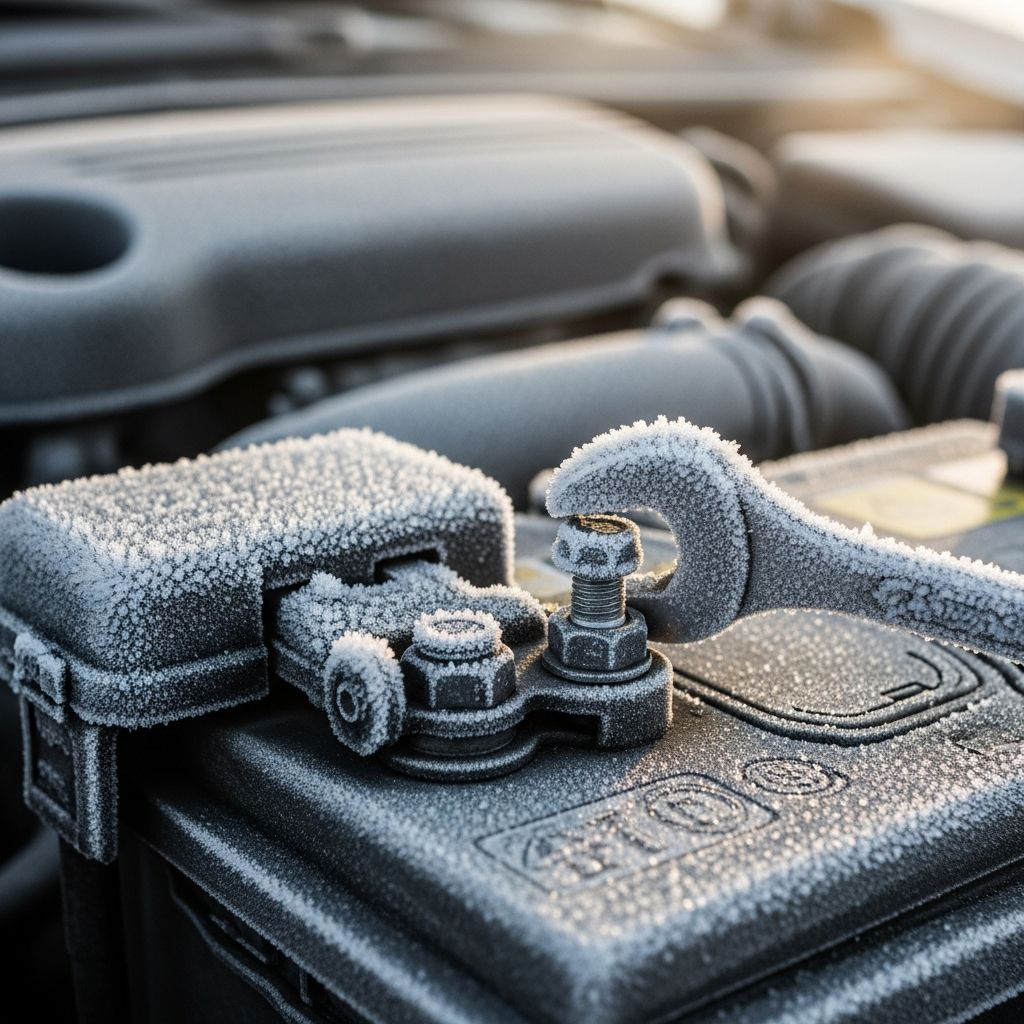
The battery is responsible for approximately 60 percent of cold-weather starting problems. During winter months, your car’s battery operates under significantly more stress than it does in warmer seasons. The chemical processes that occur inside a battery slow dramatically when temperatures drop, reducing the battery’s ability to produce the electrical power needed to start your engine.
A battery that performs perfectly during spring, summer, and fall can suddenly fail as the mercury drops below freezing. This happens because the electrical resistance inside the battery increases in cold conditions, making it harder for the chemical reaction to generate sufficient cranking power. When you turn the key in frigid weather, you might hear the starter motor turn very slowly or not at all—classic signs of a weakened battery.
Battery Condition and Cold Weather Performance
If your battery’s condition is marginal—meaning it’s older or already somewhat worn—it may lack sufficient reserve capacity to handle the demands of cold-weather starting. Many drivers don’t realize their battery is problematic until winter arrives and they attempt to start their vehicle in single-digit temperatures. At that point, the battery simply cannot deliver enough power to turn over the engine.
Additionally, battery terminals and cable connections play a crucial role in delivering power to your engine. Corrosion or loose connections at the battery terminals can prevent adequate power delivery, even if the battery itself remains in good condition. Ensuring your battery connections are clean, tight, and free from corrosion is as important as the battery’s overall health.
Quick Battery Troubleshooting Steps
If you suspect your battery is the problem, follow these steps before attempting to start your vehicle:
- Turn off all unnecessary electrical accessories, including the lights, heater, and stereo
- Unplug any phone chargers or other devices drawing power from the battery
- If you have a manual transmission, press and hold the clutch pedal down
- Turn the key in the ignition or push the start button and hold it for approximately 10 seconds, but no longer
- If the engine doesn’t start, wait several minutes and try again
Engine Oil Viscosity and Cold Thickening
Another significant factor preventing cold-weather starts is the thickening of engine oil at low temperatures. As temperatures drop, your engine’s oil becomes more viscous and flows less freely than it does in warmer conditions. This increased thickness creates greater resistance when the starter motor attempts to turn all the moving parts of your engine.
The starter system must overcome this resistance to crank the engine and begin the combustion process. When oil becomes too thick due to cold, the starter cannot generate enough torque to turn the engine effectively. In extreme cases, the starter will fail to turn the engine at all, leaving your vehicle completely unable to start.
Oil Selection for Winter Driving
Using the correct grade of oil for winter conditions is essential for reliable cold-weather starting. Fresh oil designed for winter use is cleaner and flows more smoothly than old, worn-out oil. If you live in regions with extremely cold winters, consider switching to synthetic oil, which maintains better fluidity at very low temperatures compared to conventional mineral oil.
Regular oil changes become even more critical before winter arrives. Old oil accumulates contaminants and loses its viscosity properties over time, making it increasingly problematic when cold weather arrives. Replace your oil filter at the same time you change your oil to ensure optimal performance throughout the winter season.
Fuel System Problems in Winter
Your fuel system faces unique challenges during cold weather that can prevent your engine from starting. When temperatures drop significantly, several fuel-related issues can develop, each preventing your vehicle from starting normally.
Fuel Thickening and Viscosity Issues
As temperatures plummet, fuel becomes thicker and more viscous, making it harder for the fuel system to deliver adequate fuel to the engine for combustion. Additionally, water or condensation can accumulate in fuel lines and freeze at low temperatures, completely blocking fuel flow to the engine.
Using the correct fuel type for your climate is crucial. Many gas stations offer winter-grade fuel specifically formulated to withstand lower temperatures and resist gelling. Winter-grade fuel contains additives that keep it flowing smoothly even in freezing conditions. If you use diesel fuel in your vehicle, ensure it is winterized with appropriate additives to prevent fuel line freeze-up.
Fuel System Maintenance Strategies
To keep your fuel system functioning properly throughout winter, consider these maintenance approaches:
- Use a fuel system cleaner to remove deposits and impurities that might hinder fuel flow
- Apply a fuel stabilizer to prevent fuel degradation and water accumulation in the fuel tank
- Verify that your fuel pump is delivering the correct amount of pressure to push fuel through the lines
- Have your fuel pump checked by a qualified mechanic if you suspect it may be malfunctioning
Spark Plugs and Ignition System Issues
Faulty spark plugs or a malfunctioning ignition system can also prevent your engine from starting in cold weather. Worn-out or carbon-fouled spark plugs may not produce a strong enough spark to ignite the fuel-air mixture, particularly when your engine is cold and combustion conditions are less than ideal.
Similarly, a faulty ignition coil or distributor can disrupt the electrical flow necessary for spark generation, leading to a complete no-start condition. When temperatures are low, any weakness in your ignition system becomes magnified because the engine requires a stronger spark to achieve combustion.
Inspecting and Maintaining Ignition Components
Regularly inspect your spark plugs and ignition system components for signs of wear or fouling. Modern spark plugs last a long time, but they are not immortal and will eventually require replacement. Have a qualified mechanic check your spark plugs for proper operation before winter arrives, ensuring they can generate a strong spark when needed.
Check the ignition system wires and connections for any visible damage or loose connections that might compromise electrical flow. If you’re unsure about the condition of your spark plugs or ignition system, having them professionally tested and serviced by a qualified mechanic is the safest approach.
The Alternator and Electrical System
The alternator is the component responsible for keeping your battery charged while your vehicle is running. A bad alternator could prevent your battery from gathering enough charge to start your car, particularly when extreme cold depletes the battery’s already-reduced capacity. If the alternator is defective, it must be replaced to restore proper charging functionality.
Additionally, the drive belts that turn the alternator should be checked for slipping and wear. Worn or damaged belts cannot drive the alternator efficiently, reducing its ability to charge your battery. The starter relay, solenoid, and ignition switch should all be checked for proper operation as part of your winter vehicle preparation.
Coolant and Engine Temperature Management
Proper coolant mixture is essential for protecting your engine and preventing freeze-up at subzero temperatures. Your cooling system must maintain the correct balance of coolant and water to prevent the liquid from freezing solid in cold weather. A frozen coolant system cannot circulate properly, and your engine may fail to start or operate correctly.
Before winter arrives, have your coolant system inspected and flushed if necessary. Ensure your coolant is rated for the lowest temperatures your region experiences. Using the wrong coolant concentration can result in freeze-up and potentially catastrophic engine damage.
What To Do When Your Car Won’t Start in Cold Weather
Immediate Actions and Quick Fixes
If your car refuses to start in cold weather, try these troubleshooting steps in order:
- Ensure your vehicle is in Park (P) or Neutral (N)
- Turn off all accessories and electrical systems
- Hold the clutch pedal down (manual transmission) or leave it in neutral (automatic)
- Turn the key to the “on” position and wait a few seconds before cranking, allowing the fuel pump to prime the system
- Try cranking the engine for about 10 seconds
- If unsuccessful, wait a few minutes between attempts
Cycling the Key Technique
In cold weather, you may need to warm up the battery and starter system. One effective technique involves “cycling” the key in the ignition: put the key in the ignition and turn it from “off” to “start” about ten times, waiting a minute between attempts if it doesn’t work after the first round. This technique allows the starter motor and battery to warm up slightly while the fuel pump primes the system.
Jump-Starting Your Vehicle
If your car won’t start after basic troubleshooting, you may need a jump-start. Jump-starting requires jumper cables and another vehicle with a working battery. Always read your vehicle’s handbook before attempting a jump-start to ensure you follow the correct procedure for your specific model. If you’re unsure about the process, call a professional mechanic for assistance.
After a successful jump-start, drive your vehicle for at least 20 to 30 minutes to allow the alternator to recharge your battery. Get a battery check performed by a qualified mechanic as soon as possible to determine whether your battery needs replacement.
When To Seek Professional Help
If your car doesn’t start in winter cold even after trying basic troubleshooting methods, call for professional assistance. A professional mechanic at a car dealership or repair shop has the knowledge, experience, and diagnostic tools necessary to identify and repair complex engine issues. They can perform specialized tests to determine whether your problem stems from the battery, fuel system, ignition system, or other components.
Preventative Maintenance for Winter
Pre-Winter Vehicle Preparation
The best strategy for avoiding cold-weather starting problems is implementing preventative maintenance before winter arrives. Regular checks of your battery, tires, and essential fluids are crucial for winter readiness. A complete winterization service should include:
- Battery load testing and terminal cleaning
- Oil and oil filter changes using winter-appropriate grades
- Spark plug inspection and replacement if necessary
- Fuel system inspection and additive treatment
- Alternator and starter system testing
- Coolant mixture verification and system flushing if needed
Long-Term Winter Storage and Protection
In extreme cold weather, take these precautions to prevent starting issues:
- Park your vehicle in a garage or use a car cover to protect it from the elements
- Keep your battery charged by driving your vehicle regularly or using a battery maintainer
- Check and maintain the proper level of engine oil, ensuring it is suitable for cold weather conditions
- Use a fuel stabilizer to prevent fuel degradation and water accumulation in the fuel tank
- Consider using winter tires for improved traction and handling on icy roads
Garage Protection and Heating Options
Starting with a car that is at above-freezing temperatures will eliminate most cold-weather starting problems. If you have a heated garage, use it whenever possible to protect your vehicle from extreme cold. Even an unheated garage can help moderate temperatures to some degree. If you use supplemental heating safely, a small electric or kerosene heater can fend off the most extreme cold, but always follow safety guidelines and ensure proper ventilation.
Frequently Asked Questions About Cold-Weather Starting
Q: How cold does it need to be before my car won’t start?
A: Most cars experience starting difficulties when temperatures drop below freezing (32°F or 0°C). However, vehicles with older or marginal batteries may fail to start in temperatures as high as 20°F (-7°C), while well-maintained vehicles may start reliably in much colder conditions.
Q: Should I try to start my car multiple times if it doesn’t start on the first attempt?
A: Yes, but with caution. You can try starting your vehicle multiple times with 30-second to 1-minute intervals between attempts. However, avoid extended cranking (more than 10 seconds per attempt) as this can drain your battery further and potentially damage your starter motor.
Q: What’s the difference between a car that cranks slowly and one that doesn’t crank at all?
A: Slow cranking typically indicates a weak battery or thick engine oil, while no cranking at all suggests a dead battery, severely damaged starter, or electrical connection problem. Both situations require investigation, but they point to different underlying issues.
Q: Is it safe to use an engine block heater?
A: Yes, engine block heaters are safe when used properly. They warm your engine’s coolant overnight, making cold starts significantly easier. Always follow the manufacturer’s instructions and use a properly grounded outlet to avoid electrical hazards.
Q: How often should I have my battery tested?
A: Have your battery tested professionally at least once per year, preferably before winter arrives. If your battery is more than three years old, consider testing it twice yearly—once before summer and once before winter.
Summary and Key Takeaways
Cold-weather starting problems result from multiple interconnected factors affecting your vehicle’s battery, fuel system, ignition system, and engine oil. The battery remains the most common culprit, responsible for approximately 60 percent of winter starting failures. However, understanding all potential causes allows you to address each system systematically.
By implementing regular maintenance, using appropriate winter-grade fluids, keeping your battery in peak condition, and taking protective measures like garage parking, you can dramatically reduce your chances of experiencing cold-weather starting problems. When issues do arise, follow the systematic troubleshooting steps outlined above, and don’t hesitate to seek professional assistance from a qualified mechanic if your vehicle refuses to start despite your best efforts.
Winter doesn’t have to mean morning frustration and stranded vehicles. With proper preparation and understanding of how cold affects your car’s systems, you can maintain reliable starts throughout even the harshest winter conditions.
References
- The Weather Is Cold, My Car Won’t Start. What Should I Do? — Yorkdale Ford. https://yorkdaleford.com/blog/the-weather-is-cold-my-car-wont-start-what-should-i-do/
- Car Won’t Start in the Freezing Cold? Here’s Why, and What to Do — Neese Automotive. https://neeseautomotive.com/car-wont-start-in-the-freezing-cold-heres-why-and-what-to-do/
- Top Reasons Why Your Car Won’t Start in the Cold Weather — Mr. Tire. https://www.mrtire.com/blog/top-reasons-why-your-car-wont-start-in-the-cold-weather/
- Getting Started in the Cold — RAC Drive. https://www.rac.co.uk/drive/advice/how-to/getting-started-in-the-cold/
Similar Articles







Read full bio of Sneha Tete