Wind-Resistant Privacy Fences: Build to Last
Expert strategies for constructing durable privacy fences that withstand high winds and protect your property year-round.
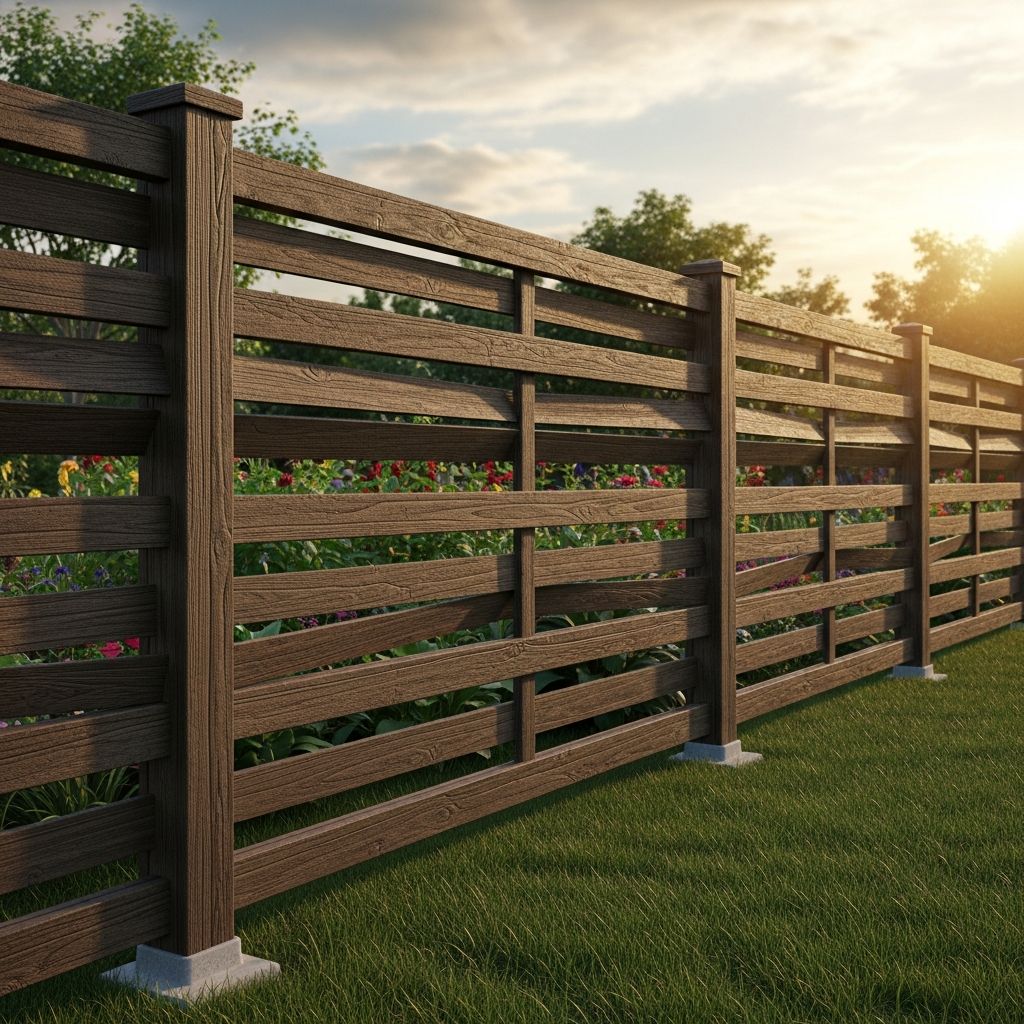
Constructing a privacy fence in areas prone to high winds requires careful planning to balance seclusion, aesthetics, and structural integrity. Unlike standard fences, those in gusty regions must resist uplift forces and lateral pressures that can topple ordinary structures. By incorporating airflow-permissive designs, sturdy materials, and reinforced foundations, homeowners can create barriers that endure sustained winds exceeding 100 mph while preserving yard privacy.
Understanding Wind Forces on Fences
Wind exerts exponential pressure on fences as speeds increase. At 30 mph, mild stress emerges, but beyond 60 mph, standard solid panels face collapse risks due to sail-like resistance. Engineering tests show that privacy fences up to 6 feet tall, when properly installed, can handle gusts up to 130 mph or more. The key is minimizing wind load through strategic gaps that allow air passage, reducing pressure by up to 50% compared to solid walls.
Local topography amplifies risks: open fields channel gusts, while corners create turbulence. Observing debris patterns on windy days reveals high-impact zones, guiding customized designs. For instance, exposed sites demand tighter post spacing, while sheltered yards tolerate denser panels.
Optimal Materials for High-Wind Durability
Selecting weather-resistant materials forms the foundation of a resilient fence. Vinyl and aluminum outperform wood in longevity, resisting rot, warping, and corrosion without frequent maintenance.
- Vinyl: Engineered panels like tongue-and-groove styles withstand 110-120 mph sustained winds with gusts to 137 mph when reinforced. UV inhibitors prevent fading, and interlocking pickets enhance rigidity.
- Aluminum: Lightweight yet robust, slatted designs diffuse wind via gaps, ideal for horizontal layouts in stormy climates. Interlocking slats prevent shifting.
- Chain-Link with Privacy Slats: Open mesh inherently permits airflow, surviving industrial winds; partial slats add seclusion without full blockage.
- Treated Wood: Pressure-treated lumber with galvanized hardware suits budgets, but requires sealants and inspections for longevity.
Avoid untreated softwoods, as they splinter under gusts. Composite options blend wood fibers with polymers for hybrid strength.
Smart Design Principles for Airflow and Strength
Designs that integrate ventilation outperform solid barriers. Shadowbox or hit-and-miss patterns stagger boards alternately on front and back rails, blocking views from angles while enabling 20-30% air throughput. This reduces sail effect, distributing loads evenly.
| Design Type | Wind Resistance | Privacy Level | Best For |
|---|---|---|---|
| Shadowbox | High (gusts to 130 mph) | Full from most angles | Residential yards |
| Horizontal Slats | Medium-High | Semi-private | Modern aesthetics |
| Lattice Topper | Medium | Partial | Added height |
| Picket with Gaps | High | Low-Medium | Open views needed |
Limit height to 6 feet maximum; taller panels amplify leverage, stressing posts. Horizontal orientations lower profiles, easing pressure near corners. Integrate lattice toppers on solid bases for hybrid privacy and ventilation.
Reinforcing the Foundation: Posts and Anchoring
Posts bear 80% of wind loads, so depth and spacing are critical. Dig holes 3-4 feet deep (1/3 of post length below grade), filling with concrete footings enriched with gravel for drainage. In high-wind zones, space posts 4-6 feet apart versus standard 8 feet to share burdens.
- Mark lines with stakes and string for straightness.
- Excavate 12-inch diameter holes, sloping bottoms for frost heave resistance.
- Insert pressure-treated 4×4 or 5×5 posts, braced plumb.
- Pour 6-12 inches gravel, then concrete to ground level; crown for runoff.
- Allow 48-72 hours curing before rails.
For extreme conditions, use post bases like HD concrete mounts or helical piers, proven in hurricane zones by the American Society of Civil Engineers (ASCE-7 standards for wind loads). Metal post savers prevent rot at ground line.
Installation Techniques for Maximum Stability
Secure rails with galvanized brackets or screws, avoiding nails. Notch posts for hidden rails, or use pocket screws for flush fits. Attach pickets with dual fasteners top and bottom, spacing 1/8-inch for expansion. In vinyl systems, tongue-and-groove ensures alignment under flex.
Gates demand heavy-duty hinges, drop rods, and compression latches to counter racking. Reinforce corners with diagonal braces or cable systems tensioned to 100-200 lbs. For long runs, add mid-line struts every 20-30 feet.
Gate and Accessory Enhancements
Gates fail first from slamming; opt for self-closing hardware and wind chains. Horizontal gates matching panels integrate seamlessly, with reinforced frames. Arbor toppers add style but require extra posts. Lighting or trellises increase loads—limit vines to lightweight species.
Maintenance for Long-Term Performance
Annual inspections check for loose fasteners, cracks, or leans. Tighten hardware, reseal wood, and clear debris. In coastal areas, rinse salt buildup quarterly. Expect 20-40 year lifespans with care, per International Building Code guidelines.
Frequently Asked Questions
What height is safest for windy areas?
Stick to 6 feet or less; higher increases sail area and post stress.
Can solid fences work in high winds?
Not ideally—add vents or lattice; airflow designs outperform solids.
How deep should post holes be?
3-4 feet in loose soil, deeper in sand; always below frost line.
Is vinyl better than wood for winds?
Yes, vinyl flexes without breaking and meets 130 mph ratings.
Do I need permits?
Check local codes; wind zones often require engineering stamps.
References
- Best Privacy Fences for Windy Areas: A Complete Guide — AG Vinyl Fencing. 2023-05-15. https://agvinylfencing.com/durable-fence-windy-areas/
- How-to Guide: High Wind Installation — Weatherables. 2024-08-20. https://www.weatherables.com/blog/how-to-guide-high-wind-installation/
- Choosing a horizontal fence for windy areas: what holds up? — Sleek Fence. 2024-03-10. https://sleekfence.com/learning-hub/horizontal-fence-for-windy-areas/
- Fences for Windy Areas: Designs, Types, Styles & Examples — Duffield Timber. 2023-11-05. https://duffieldtimber.com/the-workbench/fencing/fences-for-windy-areas-designs-types-styles-examples
- Windproof Fencing Guide – Everything You Need to Know — PostSaver. 2024-01-12. https://www.postsaver.com/en-us/types-of-fence/windproof-windbreak-fencing-guide/
Similar Articles






Read full bio of Sneha Tete