Installing Window Extractor Fans: Complete Guide
Learn how to properly install and maintain window extractor fans for optimal bathroom ventilation
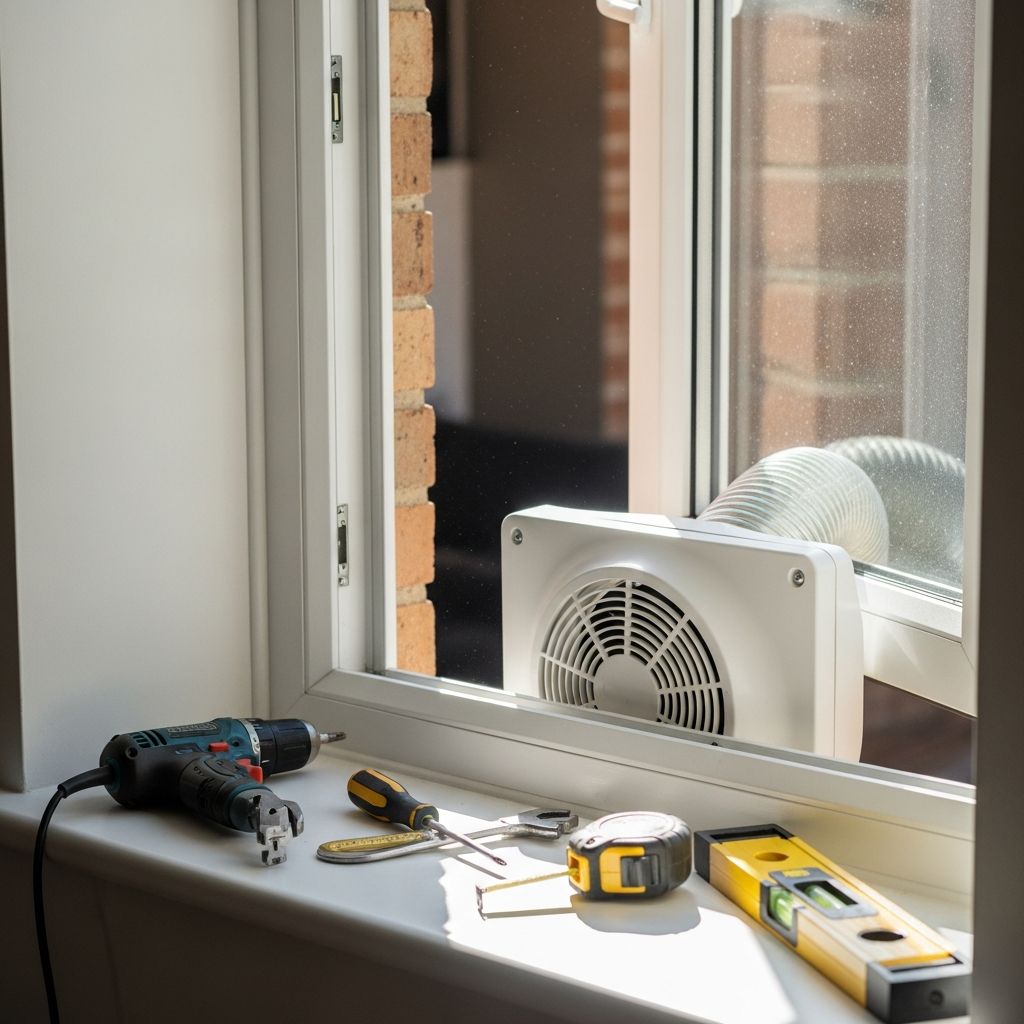
Window-mounted extractor fans represent one of the most practical solutions for managing moisture and improving air quality in bathrooms and small spaces. These devices work by drawing humid, stale air from your room and expelling it directly outside through the window opening. Whether you’re upgrading an aging system or installing one for the first time, understanding the proper installation process is essential for achieving optimal performance and longevity.
Assessing Your Bathroom and Window Condition
Before commencing any installation work, a thorough assessment of your bathroom environment and existing window structure is necessary. Your window frame must be structurally sound and capable of supporting the weight of the extractor fan unit without warping or sustaining damage. Inspect the frame for signs of rot, moisture damage, or structural compromise that could compromise the installation’s integrity.
Check whether your window currently has any obstructions, existing electrical wiring, or fixtures that could interfere with fan placement. The presence of these obstacles may require alternative solutions or professional intervention. Additionally, evaluate the overall window condition—frames that are damaged, warped, or improperly sealed will not provide adequate support for a mounted fan and may allow drafts or water infiltration around the installation.
Consider the positioning of your window relative to moisture sources within the bathroom. Ideally, the window should be positioned opposite the bathroom door to facilitate cross-ventilation, allowing fresh air to enter beneath the door while humid air exits through the fan. If your window is poorly positioned, you may need to explore alternative mounting solutions such as wall-mounted or roof-mounted fans instead.
Determining Ventilation Capacity Requirements
Selecting an appropriately sized extractor fan depends on calculating the ventilation capacity your bathroom requires. This measurement is expressed as air changes per hour (ACH), which indicates how many times the entire air volume in your room is completely exchanged. Bathrooms featuring showers typically require between 6 to 10 air changes per hour to effectively manage moisture generation.
To determine the proper fan capacity, measure your bathroom’s dimensions and calculate the total volume in cubic feet or cubic meters. Consult your fan manufacturer’s specifications to identify models that match your room’s ventilation needs. Using an undersized fan will result in inadequate moisture control and potential mold growth, while an oversized unit may create excessive noise and energy consumption.
The ventilation duct should be as short and straight as possible to maximize airflow efficiency. Long, convoluted duct runs with multiple bends significantly reduce the fan’s effectiveness and increase operational noise levels. When possible, route the duct directly from the fan unit to an exterior wall or window opening.
Planning Your Installation Approach
Two primary installation methods exist for window-mounted extractor fans: direct installation through the window glass itself, or mounting onto an acrylic board that attaches to the window frame. Direct glass installation requires specialized cutting equipment and may necessitate regulatory approval in certain jurisdictions. Many homeowners and renters prefer the acrylic board method, which avoids permanent modification of the window glass and eliminates the need for building permits or landlord approval.
If you’re renting or live in a regulated housing situation such as an apartment complex, installing the fan on an acrylic board mounted to the window frame preserves the original window structure and requires no institutional approval. This approach is less intrusive and can be completely reversed if needed. However, if you own your property and prefer a more permanent installation, direct glass mounting provides a cleaner aesthetic and potentially better sealing.
Gather all necessary materials and tools before beginning work. You’ll need measuring equipment, cutting tools appropriate for your chosen material, fastening hardware, weatherproofing sealant, and electrical supplies. If your installation involves permanent glass cutting or electrical hardwiring, plan to hire licensed professionals for these components.
Gathering Tools and Materials
A successful installation requires having appropriate equipment on hand. Essential tools include:
- Measuring tape and pencil for marking dimensions
- Jigsaw or circular saw for cutting acrylic or creating frame openings
- Drill with appropriate bits for fastening hardware
- Screwdrivers and fastening hardware specified by the manufacturer
- Weatherproofing sealant and caulking gun
- Safety equipment including goggles and work gloves
- Level or straightedge for ensuring proper alignment
For materials, you’ll need the extractor fan unit itself, an acrylic board if using that mounting method, appropriate fasteners and mounting brackets, weatherproofing tape or sealant, and ventilation ductwork. Consult your fan’s instruction manual for manufacturer-specific components and recommendations. Quality weatherproofing materials prevent water infiltration and air leakage, so avoid using budget alternatives that may deteriorate quickly.
Measuring and Preparing the Installation Space
Accurate measurements form the foundation of a successful installation. If mounting on an acrylic board, measure your window opening carefully to ensure the board fits securely without gaps or protrusions. Mark the dimensions clearly with pencil, accounting for any window frame elements or trim that might affect fit. For acrylic board installations, ensure the board extends slightly beyond the window frame edges to prevent air bypass around the edges.
When marking the fan opening location on your acrylic board, position it to align with the center of the window opening. Most fan manufacturers include a cutting template; use this template to mark the precise outline for cutting. Measure twice before making any cuts—mistakes at this stage cannot be easily corrected.
If performing direct window glass cutting, hire a professional glazier who possesses specialized glass-cutting equipment. Attempting to cut tempered or safety glass without proper tools risks injury and permanent damage to the window. The glazier can cut an opening to exact specifications using the manufacturer’s template.
Executing the Cutting and Preparation
When cutting acrylic board for fan mounting, use a jigsaw fitted with a fine-toothed blade designed for acrylic materials. Secure the board firmly in a workbench or vise to prevent movement during cutting. Always wear safety goggles and gloves when cutting, as acrylic creates sharp edges and fine dust particles. Make smooth, controlled cuts along marked lines, allowing the saw to do the work without forcing the blade.
After cutting, smooth any rough or jagged edges using sandpaper or a file. Inspect the cut opening to ensure it matches the fan flange dimensions specified by the manufacturer. The opening should be snug enough that the fan unit sits flush without gaps, yet large enough that forced fitting doesn’t crack the acrylic.
Before permanently attaching the fan to the acrylic board, verify alignment by temporarily positioning the fan unit in the opening. Ensure the fan’s mounting flanges align properly with the board edges and that all fastening holes correspond accurately. Check that the fan unit doesn’t protrude above or below the board surface in a way that would prevent proper window sealing.
Securing the Fan to the Mounting Surface
Follow the manufacturer’s instructions precisely when fastening the fan unit to your mounting surface. Most window-mounted fans use screws through flanged mounting brackets that bolt directly to the acrylic board or frame. Position fasteners according to the template provided, typically four or more mounting points distributed around the fan perimeter.
Drill pilot holes before inserting fasteners to prevent cracking acrylic or stripping screw holes. Use fasteners specified by the manufacturer—substituting with incorrect hardware may result in inadequate support or structural failure. Tighten fasteners evenly in a cross pattern, checking alignment after each fastener to prevent warping or binding.
Once the fan is secured to its mounting surface, apply weatherproofing sealant around all seams and fastener locations. This prevents water infiltration and air leakage that would reduce performance and create drafts. Use manufacturer-recommended sealant appropriate for your material—silicone-based products work well for acrylic and plastic surfaces.
Installing the Ventilation Ductwork
The ventilation duct carries humid air from the fan to the exterior environment. Attach appropriate ductwork to the fan’s exhaust port, ensuring a secure, airtight connection. Flexible aluminum ducting or rigid PVC pipe both work effectively; flexible ducting accommodates bends while rigid pipe provides optimal airflow if routing permits.
Route the duct as directly as possible to an exterior wall or through the window opening itself. Minimize the number of bends and joints, as each connection reduces airflow efficiency and increases noise. If using flexible ducting, avoid crushing or kinking it, as this restricts air movement.
Seal all duct joints with foil tape or duct mastic to prevent air leakage. Gaps at joints allow humid air to escape into wall cavities, potentially causing moisture damage to building materials. Install a vent cap or exterior termination point that prevents rain entry and blocks pests while allowing air to escape freely.
Electrical Considerations and Professional Requirements
Electrical connections for extractor fans must comply with local building codes and safety standards. All window-mounted fans require hardwiring by a licensed electrician to ensure proper installation and code compliance. Do not attempt DIY electrical connections unless you possess proper training and licensing.
Your electrician will evaluate available power sources near the installation location. Some installations can use plug-and-cord connections where the manufacturer has pre-wired a standard electrical plug to the fan unit, allowing simple plug-in operation similar to household appliances. Other installations require permanent hardwiring with switch controls, which necessitates running electrical wire through walls and mounting wall switches.
Discuss with your electrician whether you want manual on/off control, timer-based operation, humidity-sensing automatic activation, or thermostat-controlled activation. These control options improve convenience and reduce energy consumption by ensuring the fan operates only when necessary.
Building codes often require GFCI (ground-fault circuit-interrupter) protection for bathroom exhaust fans due to moisture exposure. Your electrician will ensure proper GFCI installation and circuit capacity for safe operation. Never skip professional electrical work to save money—improper electrical installation creates fire hazards and shock risks.
Mounting the Assembly to Your Window
For acrylic board installations, carefully position the assembled board with its attached fan unit into your window opening. This task often requires two people to manage the weight and ensure proper alignment. Rest the bottom edge of the board on the interior windowsill, allowing the upper portion to lean against the upper window frame.
Check that the assembly sits level and centered within the window opening. Adjust positioning to ensure the fan unit opens into the room interior while the ventilation duct extends toward the exterior. Verify that the window can close partially or completely around the assembly without binding or creating excessive gaps.
Secure the mounting board to the window frame using fasteners appropriate for your window material. For wooden frames, wood screws work effectively. Aluminum or vinyl frame windows may require different fastening methods. Follow the manufacturer’s guidance for securing the assembly to prevent shifting or vibration during operation.
Weatherproofing and Sealing
Proper sealing prevents water infiltration and air leakage around your installed fan unit. Apply weatherproofing sealant around all edges where the mounting board meets the window frame. Pay particular attention to the upper corners and sides where water naturally accumulates and runs down the window.
Consider applying weatherstripping tape to areas where the mounting board contacts the window frame. This creates an additional seal layer and accommodates minor irregularities in window frame geometry. Install exterior weatherproofing materials on the outside of your window if the installation is accessible from an exterior vantage point.
Allow all sealants to cure fully according to manufacturer recommendations before operating the fan. Premature use may allow sealant materials to be displaced by air pressure or water infiltration. Most sealants require 24 to 48 hours for complete curing.
Testing System Operation and Airflow
Before considering installation complete, thoroughly test the fan system to verify proper operation. Activate the fan and confirm that air flows smoothly from the room through the ductwork to the exterior. Feel for airflow at the exhaust opening to confirm the fan is functioning at full capacity.
Check for unusual noises, vibrations, or rattling that might indicate loose components or improper alignment. Some noise during operation is normal, but excessive sound suggests mechanical problems requiring adjustment or professional service. Verify that the fan shuts off completely when deactivated and that no unwanted air flows through the unit when inactive.
Inspect all electrical connections for proper operation, ensuring lights, switches, and controls function as intended. If you installed timer or humidity-sensing controls, verify that these automatic features activate and deactivate the fan appropriately.
Maintenance and Long-Term Care
Regular maintenance preserves fan performance and extends operational lifespan. Clean the exterior vent cap monthly to remove accumulated dust, debris, or pest materials that might restrict airflow. Most vent caps can be removed by hand or with simple tools for thorough cleaning.
Inspect the fan unit itself quarterly, removing any visible dust accumulation from the motor housing or fan blades. Use a soft brush or vacuum attachment to gently remove dust without disturbing internal components. Never use water or compressed air to clean electrical components.
Check all fasteners and mounting points annually to ensure nothing has loosened from vibration or thermal expansion. Tighten any loose components you discover. Inspect weatherproofing sealants annually, reapplying as needed if cracks develop or materials begin deteriorating.
Replace ventilation ductwork if you notice denting, crushing, or corrosion that might restrict airflow. Modern ductwork materials are durable, but normal wear gradually reduces efficiency. Plan for periodic replacement as part of your maintenance routine.
Common Installation Mistakes to Avoid
Understanding typical installation errors helps prevent expensive corrections. Using undersized ductwork reduces efficiency significantly—maintain the diameter specified by your fan manufacturer throughout the duct run. Installing ductwork with excessive bends or very long runs without intermediate support reduces airflow and increases noise.
Failing to seal duct joints properly allows air to escape into unintended spaces, reducing ventilation effectiveness. Every joint requires tape or mastic sealing without exception. Neglecting exterior vent cap installation invites water infiltration and pest intrusion, creating maintenance problems and potential structural damage.
Improper electrical work creates serious hazards. Never attempt hardwired electrical installation without proper licensing or professional assistance. Incorrect wiring causes shock hazards, fire risks, and code violations that may void insurance coverage.
Regulatory Considerations and Permits
Building codes and regulations vary by jurisdiction, affecting installation requirements and permitting needs. Some areas require building permits for bathroom exhaust fan installation, while others permit owner-performed installations of certain types. Research local requirements before beginning work.
Residential properties subject to HOA regulations may require association approval before installing exterior ductwork or modifying window openings. Check your HOA documents or contact your HOA board before proceeding with installation.
Rental properties often restrict tenant modifications. Landlord approval is necessary before making permanent window modifications. Acrylic board installations typically require less approval since they don’t permanently alter the property.
Frequently Asked Questions
Can I install an extractor fan myself?
The mechanical portions of installation can be performed by homeowners with basic DIY skills. However, electrical hardwiring must be performed by a licensed electrician to ensure code compliance and safety. Assess your comfort level with each installation component and hire professionals for tasks beyond your expertise.
What size fan do I need for my bathroom?
Calculate your bathroom volume in cubic feet and multiply by the required air changes per hour for your room type. Bathroom showers typically require 6 to 10 ACH. Consult manufacturer specifications to identify fans matching your calculated CFM (cubic feet per minute) requirement.
How long does installation typically take?
Mechanical installation of acrylic-board mounted units typically requires 2 to 4 hours for experienced DIYers. Electrical work adds additional time depending on the complexity of running wiring and installing controls. Professional installers typically complete standard installations in one to two service visits.
Does my window need to be open when the fan operates?
No. The fan creates a pressure differential that exhausts air even when the window is partially or fully closed. However, ensure the ductwork terminates properly to the exterior so air can escape. Never cap ductwork on the interior side of the window.
What should I do if the fan makes excessive noise?
Noise typically indicates loose components, improper duct installation, or obstruction within the duct system. Check all fasteners for tightness, inspect ductwork for crushing or kinks, and verify the vent cap isn’t blocked. Contact a professional if problems persist after these checks.
References
- Homeowner’s Guide to Window Mounted Ventilation Fans — Repair.sg. February 2026. https://repair.sg/window-mounted-ventilation-fan-guide/
- Step-by-Step Guide to Installing a Bathroom Exhaust Fan in a Window — Honguan. February 2026. https://honguan.com/blog/step-by-step-guide-to-installing-a-bathroom-exhaust-fan-in-a-window/
- Choosing And Installing A Window Exhaust Fan — Pure Ventilation. March 2014. https://www.pureventilation.com.au/2014/03/choosing-and-installing-a-window-fan/
Similar Articles



Read full bio of medha deb