Effective Wine Stain Removal Techniques for Clothing
Master proven strategies to eliminate wine stains from all fabric types permanently.
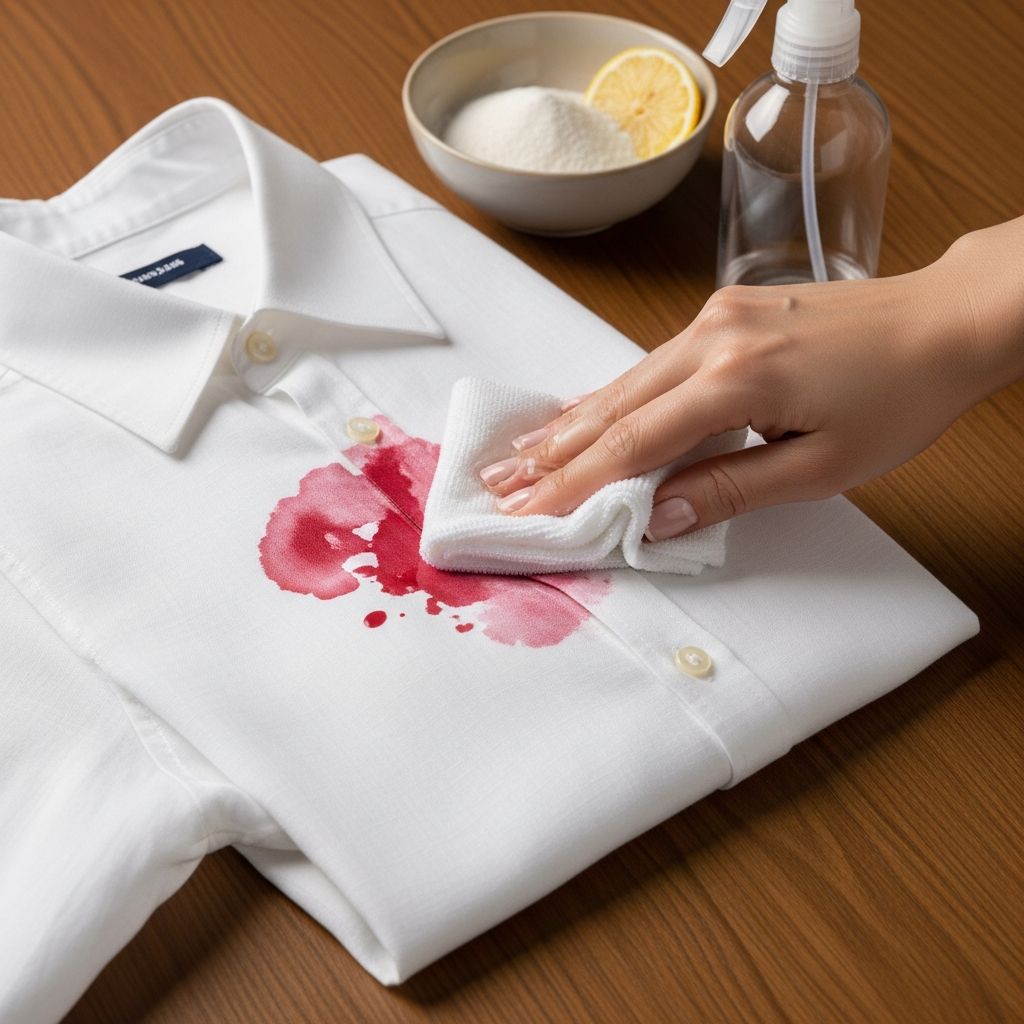
Eliminating Wine Stains from Your Wardrobe: A Complete Guide
Wine stains represent one of the most challenging household cleaning problems, particularly when they occur on cherished garments. Whether from a festive celebration or an accidental spill, red wine can leave stubborn marks that seem permanently embedded in fabric fibers. Understanding the chemistry behind wine staining and learning multiple removal techniques empowers you to address these incidents confidently. This comprehensive guide explores various strategies ranging from simple kitchen solutions to specialized treatments, ensuring you can tackle wine stains regardless of when they occurred or which fabric type you need to treat.
Understanding Why Wine Stains Are So Persistent
Red wine contains powerful natural pigments and tannins that bond readily with fabric fibers, making these stains particularly difficult to remove compared to other common spills. The longer a wine stain sits untreated, the more deeply these pigments penetrate the fabric structure, potentially becoming permanent. Temperature plays a critical role in stain permanence—heat actually sets wine stains, which is why many traditional laundry approaches fail. Recognition of this chemistry informs the most effective treatment strategies, all of which prioritize immediate action and cold water application rather than heat-based solutions.
The Critical First Response: Immediate Action Steps
The moments following a wine spill determine whether you successfully remove the stain or watch it become a permanent fixture. Time is genuinely your most valuable asset in these critical initial moments. Your first instinct should be to blot the affected area gently using a clean white cloth or paper towel, pressing downward to absorb excess wine without spreading the stain further. Avoid the common mistake of rubbing vigorously, as this embeds wine deeper into fibers. After blotting away all visible excess liquid, immediately flush the area with cold water, which helps dilute remaining wine pigments and prevents them from setting into the fabric.
Following this initial rinse, apply a preliminary treatment using whatever absorbent material you have readily available. Club soda, with its carbonation and mild alkaline properties, proves particularly effective at this stage, as the bubbles physically help lift wine particles from fabric surfaces. Pour the club soda directly onto the affected area and continue blotting with fresh cloth sections until the stain begins noticeably lightening. This emergency response phase typically requires five to ten minutes of attention but substantially improves outcomes with any subsequent treatment method you select.
Primary Treatment Approaches Using Common Household Items
The White Vinegar and Detergent Method
White vinegar serves as a natural pigment neutralizer, working by chemically breaking down the wine’s coloring compounds rather than simply masking or diluting them. This method proves especially effective on natural fibers like cotton and linen. Begin by saturating the stained area completely with white vinegar, allowing it to penetrate the fabric for several minutes. The vinegar’s acidity actively dissolves red pigments, visibly lightening the stain. Once the vinegar has had time to work, apply a small quantity of liquid laundry detergent directly to the moistened area and gently rub the fabric together or use a soft-bristled brush to work the detergent into fibers. This combination approach allows the vinegar to neutralize pigments while detergent removes the dissolved wine residue. Rinse thoroughly with cold water and assess the results before proceeding to machine washing.
The Salt and Club Soda Combination
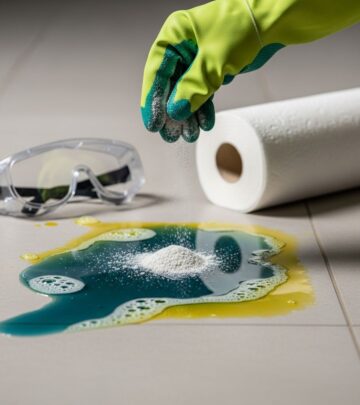
Salt’s remarkable moisture-absorbing properties make it valuable for fresh wine spills still wet on fabric surfaces. This time-honored method involves liberally sprinkling salt directly onto the wet stain, allowing it to absorb moisture for five to ten minutes. As the salt absorbs wine, it gradually turns pink, visually indicating its effectiveness. Once the salt appears saturated with wine color, brush it away and rinse the area thoroughly with cold water. For enhanced results, combine this salt application with club soda rinses, which provide additional lifting power through carbonation. This dual-action approach works particularly well when spills are addressed within minutes of occurrence, before wine has dried completely into fabric fibers.
The Hydrogen Peroxide and Dish Soap Formula
This powerful combination works exceptionally well on light and white fabrics where the bleaching properties of hydrogen peroxide won’t cause noticeable color changes. The formula requires mixing two to three parts hydrogen peroxide with one part clear dishwashing liquid, creating a paste-like consistency. Before applying to visible areas, always conduct a spot test on an inconspicuous fabric section to ensure colorfastness. Once you’ve confirmed compatibility, apply the mixture directly to the wine stain and allow it to sit for five to ten minutes, monitoring the area as the hydrogen peroxide begins oxidizing wine pigments. The enzymatic action from the dish soap simultaneously helps break down stain molecules. Rinse thoroughly with cold water and allow the garment to air dry completely, as any residual heat can potentially reset remaining traces of the stain.
The Baking Soda Paste Treatment
Baking soda functions as a mild abrasive combined with moisture-absorbing properties, making it suitable for various fabric types and different stain ages. Create a thick paste by mixing baking soda with minimal water—typically three parts baking soda to one part water produces optimal consistency. Apply this paste generously to completely cover the stained area and allow it to dry completely, which may require thirty minutes to several hours depending on paste thickness and environmental humidity. As the paste dries, it gradually draws moisture and pigment from the fabric. Once fully dried, either brush the paste away with a soft brush or rinse it off with cold water. Machine wash according to fabric care instructions using cold water settings.
Advanced Treatment Approaches for Stubborn Stains
The Hot Water Pour-Over Technique
This traditional method leverages gravity and heat differentiation to flush stains away from fabric rather than pushing them deeper. This approach works best on durable, colorfast fabrics like cotton and linen but should never be attempted on delicate materials like silk, wool, or synthetics. Position the stained garment over a bowl or sink, stretching the affected area tautly across the opening. From a safe height of twelve to eighteen inches, slowly pour near-boiling water directly through the stain, allowing gravity to carry wine particles downward through fabric fibers rather than deeper into them. The combination of heat and water pressure helps dislodge stubborn pigment particles. Continue pouring until the water running through the fabric appears clear, typically requiring one to two minutes. This method proves particularly effective on fresh stains that haven’t fully dried into fabric structure.
Enzyme-Based and Oxygen-Activated Cleaners
Commercial enzyme cleaners and oxygen-based stain removers represent a significant advancement in stain treatment technology. These products work by breaking down the organic molecules that compose wine stains, making pigment particles smaller and easier to remove through regular washing. Enzyme cleaners prove safe for use on most fabric types, including delicate materials, upholstery, and carpeting. Follow product-specific instructions carefully, as different formulations require varying application methods and soaking times. Generally, these products should be applied directly to the stain and allowed to work for the recommended duration—typically several hours for set-in stains. The versatility of enzyme cleaners makes them particularly valuable for older stains that have already begun drying or for stains on fabrics unsuitable for vinegar or peroxide treatments.
Tailored Approaches for Different Fabric Types
| Fabric Type | Recommended Methods | Methods to Avoid | Special Considerations |
|---|---|---|---|
| Cotton and Linen | Vinegar and detergent, baking soda paste, hot water pour-over | Bleach on colored items | These durable fabrics tolerate most treatments; can use higher temperatures |
| White Fabrics | Hydrogen peroxide mixture, bleach solution, enzyme cleaners | Heat application before stain removal | Bleach is particularly effective; always air dry completely |
| Silk and Wool | Enzyme cleaners, white vinegar solution (gentle application) | Hot water pour-over, harsh rubbing, high heat | Test all solutions on hidden areas first; professional cleaning often recommended |
| Polyester and Synthetics | Club soda, baking soda paste, enzyme cleaners | Bleach, vinegar on some dyes | Check care label; use cooler water temperatures |
| Delicate Blends | Salt method, enzyme cleaners, professional services | Boiling water, heavy rubbing, high heat | Spot test any solution; conservative approach recommended |
Addressing Dried and Set-In Wine Stains
Stains that have already dried present greater challenges than fresh spills, as the wine pigments have bonded more firmly to fabric fibers. However, dried stains remain removable through persistent application of appropriate treatments. Begin by pre-soaking the entire garment in cold water for thirty minutes to several hours, which rehydrates fabric fibers and can help loosen some stain particles. Following pre-soaking, apply one of the stronger treatment methods—enzyme cleaners, hydrogen peroxide mixtures, or white vinegar solutions—and allow extended contact time of one to two hours or longer. Some stubborn dried stains may require repeated applications of treatment solutions with rinsing between attempts. Avoid using heat at any stage of treating dried stains, as heat will further set remaining pigments. If home treatments prove insufficient after multiple attempts, professional dry cleaning services possess specialized solvents and equipment designed specifically for set-in stains.
Important Testing and Safety Practices
Before applying any stain removal solution to visible fabric areas, always conduct a patch test on a hidden section of the garment, such as an inside seam or back corner. This simple precaution prevents accidental damage or discoloration that could render the garment unwearable. Apply your chosen solution in the same concentration you plan to use on the visible stain, and monitor the test area for at least five minutes before proceeding with full treatment. Additionally, always review the garment’s care label to identify recommended water temperatures and any material-specific warnings. Certain treatments work optimally at specific temperatures or concentrations, and some fabrics specifically prohibit particular chemicals. Respecting these guidelines protects your clothing investment while maximizing stain removal effectiveness.
Prevention Strategies for Future Wine Incidents
While excellent stain removal techniques exist, preventing stains from occurring in the first place remains the ideal approach. During meals and celebrations, keep absorbent white cloth napkins or paper towels readily accessible for immediate blotting should spills occur. When serving wine, use stable, wide-bottomed glasses that resist tipping, and keep glasses away from table edges or unstable surfaces. For individuals frequently handling wine in professional settings, wearing darker clothing and aprons provides practical protection. Understanding your own clumsiness patterns—whether you tend to spill when reaching across tables or during standing conversations—allows you to take preventive positioning measures and heightened awareness in vulnerable moments.
Frequently Asked Questions About Wine Stain Removal
Q: Can I use hot water to treat wine stains?
A: Absolutely not. Hot water sets wine stains permanently by causing pigments to bond more firmly to fabric fibers. Always use cold or cool water exclusively throughout the stain removal process.
Q: What should I do if the stain persists after my first treatment attempt?
A: Repeated applications of the same or different treatment methods often prove necessary for stubborn stains. Allow the garment to air dry completely between attempts, and reassess the stain’s visibility before applying additional treatments.
Q: Is bleach safe to use on all fabrics?
A: Bleach works effectively only on white and colorfast fabrics. Always test on hidden areas first, and avoid bleach entirely on colored clothing unless the fabric label specifically approves its use.
Q: Can vinegar damage certain fabric types?
A: White vinegar is generally safe for most fabrics, but always conduct a spot test first on delicate materials like silk or wool to ensure no adverse reactions occur.
Q: When should I consider professional dry cleaning instead of home treatments?
A: If home treatments fail after three or more applications, if the stain involves delicate or expensive fabrics, or if the stain has been set for weeks or months, professional cleaning services offer the best chance of successful removal.
References
- How to Remove Wine Stains: 6 Proven Methods That Actually Work — ByNext. 2024. https://bynext.co/blog/6-proven-methods-remove-wine-stains/
- How to Remove Red Wine Stains – How to Wash Clothes — Tide (Procter & Gamble). 2024. https://tide.com/en-us/how-to-wash-clothes/how-to-remove-stains/wine-stains
- Remove Red Wine Stains in Seconds – Community Wine and Spirits Guide — Community Wine and Spirits. 2024. https://communitywineandspirits.com/blogs/blog/red-wine-stain-removal-guide
- How to Get Red Wine Out of Clothes — Clorox. 2024. https://www.clorox.com/learn/how-to-get-red-wine-out-of-clothes/
Similar Articles








Read full bio of medha deb