Winter Car Storage Guide
Protect your vehicle during cold months with proven storage techniques to prevent damage and ensure spring readiness.
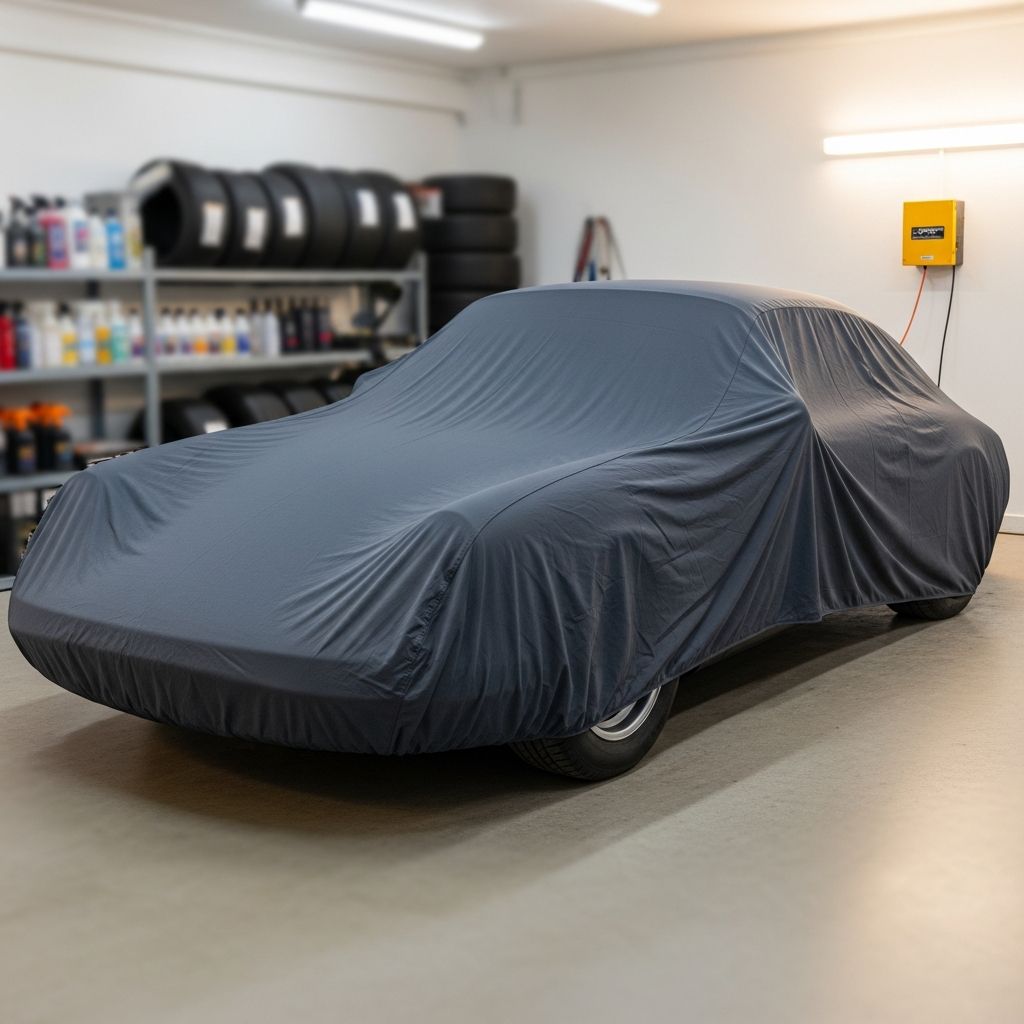
Storing your car properly during winter prevents deterioration from cold, moisture, and inactivity. This guide outlines key preparation steps to safeguard your vehicle until spring.
Why Proper Winter Storage Matters
Extended inactivity exposes vehicles to risks like fluid degradation, tire flat spots, battery drain, and pest infestations. In cold climates, freezing temperatures can crack engine blocks if coolant is inadequate, while condensation leads to rust. Following structured winterization preserves mechanical integrity and cosmetic condition, saving costly repairs later.
Essential Tools and Supplies
Gather these items before starting to streamline the process:
- Cleaning supplies including vacuum, microfiber cloths, and car shampoo
- Tire pressure gauge and air compressor
- Fuel stabilizer and fresh gasoline
- Antifreeze/coolant tester and replacement fluid
- Engine oil and filter kit
- Battery cleaner, trickle charger or tender
- Wheel chocks or wooden blocks
- Breathable car cover
- Pest deterrents like peppermint oil or mouse traps
- Plastic sheeting or foam boards for floor protection
These tools ensure comprehensive coverage against common storage issues.
Thorough Cleaning Routine
Begin with a deep clean to eliminate contaminants that accelerate damage during storage. Dirt, salt residue from roads, and interior debris invite corrosion and pests.
Interior Preparation
- Remove all personal items, trash, and perishables to prevent freezing or odors.
- Vacuum seats, carpets, and trunk thoroughly, focusing on crevices where crumbs attract rodents.
- Steam clean or shampoo upholstery and mats, then dry completely to avoid mold.
- Apply fabric protectant to seats and treat leather with conditioner if applicable.
Exterior and Undercarriage Detailing
- Wash the body, wheels, and undercarriage to remove winter salt and grime using a pressure washer if available.
- Clay bar contaminants, polish paint, and apply high-quality wax or sealant for a protective barrier.
- Clean wheel wells and suspension components to halt rust progression.
A spotless vehicle minimizes moisture traps and pest entry points.
Fluid Management for Longevity
Fluids degrade over time, especially in cold. Refresh them to protect internal components.
| Fluid Type | Recommended Action | Reason |
|---|---|---|
| Fuel | Fill tank fully, add stabilizer (1 oz per 2.5 gal), run engine 10 mins | Prevents condensation, phase separation, and gum buildup |
| Coolant | Test mixture (50/50 indoor, 70/30 outdoor), flush if needed | Avoids freezing and corrosion in engine/radiator |
| Engine Oil | Change oil and filter if >30 days storage | Removes contaminants that form sludge when idle |
| Transmission/Brake Fluid | Inspect levels, top off or change if due | Maintains hydraulic integrity |
These steps combat degradation from inactivity.
Tire Care and Support Strategies
Underinflated or unsupported tires develop flat spots from prolonged weight, compromising handling.
- Inflate to max sidewall PSI (typically 5-10 psi above normal) using a gauge for accuracy.
- Park on plywood, foam boards (2-inch thick), or plastic sheeting to distribute weight and block ground moisture.
- Use wheel chocks front and rear; avoid parking brake to prevent rust seizing.
- For extended storage (>3 months), jack up on stands and remove wheels, storing tires inflated in a dry area.
This regimen preserves tire shape and ride quality.
Battery Preservation Techniques
Cold drains batteries faster; neglect leads to sulfation and failure.
- Clean terminals with baking soda solution and petroleum jelly.
- For short-term: Leave connected, start monthly or use trickle charger.
- For long-term: Disconnect, store on shelf with tender at 12-14V maintenance mode.
- Monitor charge; replace if over 4 years old.
Proper handling ensures reliable starts post-storage.
Securing the Storage Environment
Location choice impacts protection level.
Ideal Indoor Spots
- Clean, dry garage with plastic drop cloth and cardboard on floor to block concrete moisture.
- Use dehumidifier or desiccant packs if humid.
- Breathable cotton cover prevents dust while allowing air circulation.
Outdoor Precautions
- Waterproof, UV-resistant cover; clear snow periodically.
- Elevate on blocks; use car capsule for pest/moisture barrier.
- Avoid direct ground contact.
Commercial Options
Self-storage units offer climate control, security cameras, and gated access for peace of mind when home space lacks.
Pest and Moisture Prevention
Rodents chew wires; humidity fosters rust.
- Seal gaps with steel wool; place mothballs or peppermint traps.
- Car capsule inflates around vehicle, blocking intruders affordably.
- Ensure ventilation to expel humid air.
These measures protect wiring and bodywork.
Pre-Retrieval Inspection Checklist
Before driving, verify readiness:
- Check tire pressure, lower to normal PSI.
- Test battery voltage (>12.6V); recharge if low.
- Inspect fluids, top off as needed.
- Start engine, check for leaks; drive gently to circulate fluids.
- Examine brakes, belts, hoses for issues.
Frequently Asked Questions
How long can I store a car without issues?
With proper prep, 3-6 months is safe; beyond requires extra vigilance like oil changes.
Should I use a car cover indoors?
Yes, breathable ones prevent dust without trapping moisture.
Is disconnecting the battery always best?
For >2 months yes, with a tender; otherwise periodic starts suffice.
Can I store on grass or gravel?
Avoid; use tarps underneath to block moisture.
What if storing a classic car?
Extra wax, fuel stabilizer, and capsules are crucial for paint and pests.
References
- Vehicle Winterization Tips: How to Winterize a Car — Extra Space Storage. 2023. https://www.extraspace.com/blog/self-storage/vehicle-winterization-tips-how-to-winterize-a-car/
- The Do’s and Don’ts of Winter Car Storage — AAA Oregon/Idaho. 2023. https://info.oregon.aaa.com/the-dos-and-dont-of-winter-car-storage/
- The Best Tips for Winter Car Storage and Care — Hagerty Media. 2023. https://www.hagerty.com/media/maintenance-and-tech/best-tips-for-winter-car-storage-and-care/
- Crucial tips for storing your vehicle this winter — Footman James. 2023. https://www.footmanjames.co.uk/blog/top-classic-vehicle-storage-tips-for-winter
Similar Articles





Read full bio of medha deb