Winter Garden Protection: Managing Snow and Ice Damage
Comprehensive strategies to safeguard your garden through winter weather challenges
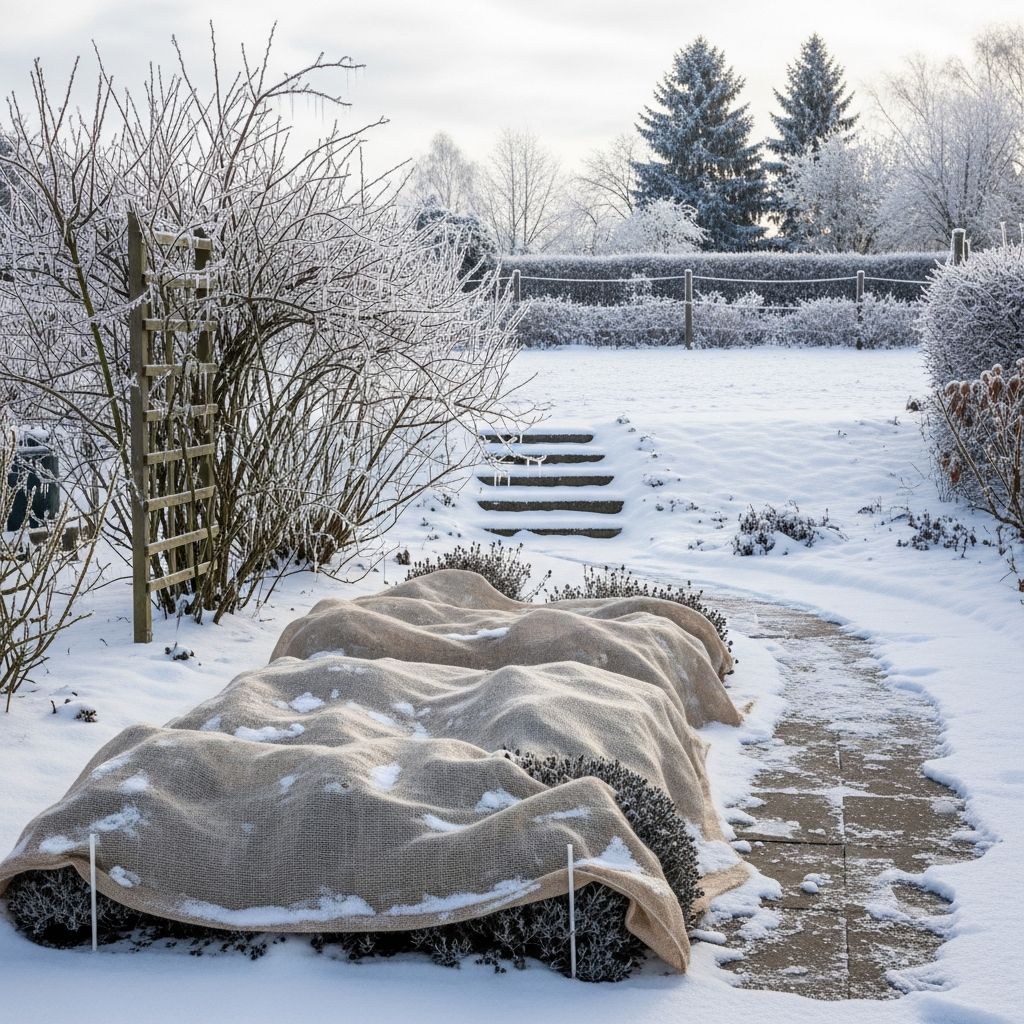
Winter weather presents significant challenges for gardeners, with heavy snow, accumulating ice, and freezing temperatures threatening the health and structure of plants, trees, and shrubs. Understanding how to proactively protect your garden before winter arrives and how to respond appropriately after storms can mean the difference between a garden that thrives come spring and one that suffers lasting damage. This comprehensive guide explores evidence-based strategies for winter garden management, from preparation techniques to post-storm recovery protocols.
Understanding Winter Weather Threats to Your Garden
Winter precipitation and cold temperatures create multiple stressors for garden plants. Snow itself, while providing insulating benefits, can become problematic when accumulation becomes excessive. Heavy, wet snow carries significantly more weight than dry, fluffy snow, and this added pressure can bend, break, or even collapse branches and entire shrubs. The combination of snow and ice creates an even more dangerous situation, as ice layers add weight and reduce a plant’s ability to shed the burden naturally.
Beyond physical damage, salt used for de-icing creates substantial chemical stress. Sodium chloride, commonly applied to sidewalks and driveways, is inexpensive and widely available but poses considerable harm to plants when salt-laden runoff reaches root zones. This salt accumulation alters soil chemistry, burns roots, and dehydrates plants even during cold months when they cannot absorb water efficiently to counteract the damage.
Compacted soil represents another overlooked winter hazard. Walking on frozen or snow-covered ground compresses soil, reducing air and water permeability that roots require for respiration and nutrient uptake. Extended snow cover also delays soil warming in spring, which can slow the emergence of perennials and push back the entire growing season.
Pre-Winter Preparation: Building Resilience Before Storms Arrive
The most effective winter protection strategy involves preparation during autumn months. Taking preventive steps substantially reduces the severity of damage and minimizes the need for intensive post-storm intervention.
Structural Pruning and Branch Assessment
One of the most impactful preparation techniques involves selective pruning in fall. Focus on removing weak, diseased, or crossed branches that are more likely to snap under heavy snow loads. This pruning reduces the overall weight-bearing burden on trees and shrubs while eliminating limbs that would create hazard zones if they break and fall. Remove any branches that rub against each other or grow at sharp angles to the main trunk, as these are structurally weak points.
Properly pruned plants maintain a more balanced form, which allows snow and ice to distribute weight more evenly. Avoid major structural reshaping until after winter, as plants need their full branch architecture for insulation and protection during extreme cold.
Mulching and Insulation Strategies
Applying a protective mulch layer before winter provides multiple benefits. A uniform 2-3 inch layer of organic mulch around the base of trees and shrubs moderates soil temperature, maintains moisture availability, and provides insulation to roots. This buffer zone helps prevent extreme temperature fluctuations that can damage dormant roots and triggers the frost heave mechanism that forces plants partially out of the soil.
Apply mulch evenly throughout the planting bed without mounding it against the plant base. Mounded mulch can trap moisture against woody stems, creating conditions for rot and pest damage during winter thaws.
Strategic Barriers and Plant Selection
For properties adjacent to salted roads or highways, physical barriers provide effective protection. Snow fences and burlap screens installed as seasonal barriers shield plants from salt-laden spray. These barriers remain in place only during winter months and can be removed once spring arrives.
Alternatively, selecting salt-tolerant plant species for landscape positions exposed to road spray offers a permanent solution requiring installation only once. This aesthetic approach eliminates the need for seasonal barrier installation while providing reliable protection year after year.
Managing Snow and Ice During Winter Events
When snow and ice arrive, responsive action during and immediately after storms can prevent or minimize damage.
Strategic Snow Removal Techniques
Light, fluffy snow provides valuable insulation and should generally be left undisturbed on plants. The problem emerges with heavy, wet snow that compresses under its own weight. In these situations, careful removal becomes necessary.
Use proper technique when removing snow from plants:
- Use a soft broom or gloved hand rather than abrasive tools
- Brush snow upward from beneath branches, working from bottom to top
- Never shake or jerk branches, as frozen wood becomes brittle and snaps easily under sudden stress
- Allow frozen branches to thaw naturally before attempting any removal
- Stop immediately if you encounter resistance; forcing snow off often causes more damage than leaving it in place
Shoveling snow and ice from pathways and driveways reduces the volume of material requiring chemical de-icing treatment. The more snow removed through mechanical means, the less deicing product needed, which protects both plants and the surrounding environment.
De-icing Product Selection
When de-icing becomes necessary, product selection dramatically impacts plant safety. Sodium chloride (rock salt), while inexpensive and readily available, causes the most plant damage. Products containing calcium chloride function effectively even when temperatures drop to minus 20 degrees and prove less damaging to plants than sodium-based products, though they remain corrosive to concrete and metal.
Calcium magnesium acetate (CMA) and potassium chloride represent less harmful alternatives. Potassium chloride works efficiently until temperatures fall below 15 degrees and causes minimal plant injury. When temperatures allow, CMA provides the most plant-friendly option for de-icing needs.
Application technique matters significantly. Mix de-icing products with sand or gravel to reduce the overall quantity needed while maintaining traction. Apply products sparingly using the smallest effective amount, following all label instructions precisely. Never pile treated snow in the root zones of sensitive plants or long-lived trees and shrubs, as this creates concentrated salt “hot spots” that cause severe localized damage.
Preventative Ice Management
Ice accumulation poses particular challenges because its weight cannot be easily removed without causing branch breakage. Never attempt to chip, crack, or force ice off plant surfaces, as this nearly always snaps branches underneath. Allow ice to melt naturally instead. This approach requires patience but prevents the irreversible damage caused by forceful removal attempts.
Avoid standing beneath ice-laden trees and shrubs, as falling ice can cause serious injury. Keep people and pets away from these hazardous zones until thawing occurs.
Post-Storm Garden Recovery Protocol
Once winter weather passes, systematic assessment and appropriate intervention promote healthy recovery.
Immediate Post-Storm Inspection
Begin recovery with a thorough visual assessment before moving through the garden. Scan the entire landscape for broken or leaning branches, collapsed shrubs, snowdrifts pressing on plants, and perennials that have shifted or lifted from the soil. This inventory helps prioritize repair work and identify plants requiring special attention.
Minimize foot traffic on snowy or frozen soil immediately after storms. Walking on compacted snow and ice creates additional soil compaction that reduces spring aeration and water permeability, further stressing roots when growth resumes.
Damage Assessment and Pruning
Remove only clearly damaged material—branches that are broken, hanging, torn, or creating safety hazards. Avoid major structural pruning or aesthetic shaping at this time, as plants are not actively growing and recovery energy is limited. Significant pruning creates additional stress and redirects resources away from survival and healing.
For evergreens with bent but unbroken branches, exercise patience. Most often these branches recover their original position naturally within days as temperatures warm and ice melts. If an evergreen shrub leans noticeably, gently straighten it and stake for support until the ground refreezes or firms.
Frost Heave Management
Freeze-thaw cycles repeat multiple times throughout winter, and each cycle can literally push plants partially out of the soil through a process called frost heave. Check for perennials and small shrubs that appear tilted or shifted, with exposed roots visible above the soil surface.
Gently press displaced plants back into the soil and add a handful of fresh mulch around the crown for stabilization. Do not cover the crown itself—plants require airflow to prevent mold and fungal issues. This simple intervention prevents root exposure that would cause winter kill.
Salt Damage Recovery
After storms, check for salt runoff from treated sidewalks and driveways. When meltwater carries salt into planting beds, create small channels to redirect this salty water away from plant root zones. Adding a layer of clean snow or fresh water helps dilute any salt already accumulated on foliage.
Once temperatures warm reliably and snow cover melts, lightly spray affected plants to wash salt deposits from foliage. In early spring, provide deep watering to salt-affected areas, soaking at least 6 inches of soil to flush accumulated salts from the primary root zone. This prevents prolonged salt stress during the growing season.
Mulch and Soil Management
Check mulch levels after storms, as snowplows and meltwater often displace mulch. Top up lightly if needed, maintaining the uniform 2-3 inch depth without mounding against plant bases. If compost is available, add a light layer in spring to help salt-affected soil recover.
Avoid fertilizing plants showing winter damage until they demonstrate recovery. Fertilizers can stimulate new growth that plants cannot yet support, and can actually burn roots stressed by cold and salt damage, creating additional complications.
Protecting Specific Plant Types
Different plant categories require slightly different approaches to winter protection. Herbaceous perennials that experience frost damage should be left undisturbed until spring, when brown or mushy foliage and broken stems can be removed. Sometimes these plants take considerable time to emerge in spring—patience is essential before assuming they did not survive.
Evergreen shrubs and conifers benefit from pre-winter wrapping with burlap in regions receiving extremely heavy snow loads. This technique prevents branch splitting and maintains a more compact form during severe weather. Remove wrapping as soon as temperatures moderate in spring to allow new growth and prevent fungal issues.
Frequently Asked Questions
Should I remove light snow from my garden plants?
Light, dry snow should generally remain on plants, as it provides valuable insulation. Remove only heavy, wet snow that bends or threatens to break branches.
What is the safest de-icer for plants?
Calcium magnesium acetate (CMA) and potassium chloride cause minimal plant damage, with CMA being the most plant-friendly option when temperatures allow.
Can I help plants recover from salt damage?
Deep watering in spring flushes salts from the root zone, and adding compost helps soil recover. Avoid fertilizing stressed plants until they show recovery signs.
How do I prevent frost heave damage?
Maintaining a proper mulch layer provides insulation that reduces freeze-thaw stress. Press heaved plants back into soil and add mulch around the crown.
When should I prune winter-damaged branches?
Remove only broken or hazardous branches immediately after storms. Wait until late winter or early spring for major pruning when plants begin emerging from dormancy.
References
- Dealing with Snow in the Garden — Chicago Botanic Garden. Accessed April 2026. https://www.chicagobotanic.org/plant-information/tips/dealing-snow-garden
- Snow and Ice in Garden — Gardening Charlotte. 2025-01-10. https://www.gardeningcharlotte.com/winter/2025/1/10/snow-and-ice-in-garden
- Snow and Ice in the Landscape — University of Nebraska-Lincoln Extension. https://hles.unl.edu/news/snow-and-ice-landscape/
- Winter Garden Damage Recovery Tips — Proven Winners. https://www.provenwinners.com/learn/care/winter-garden-damage-what-now
- What to Do in Your Garden After a Snowstorm: A Post-Snow Survival Guide — Rohslers. https://rohslers.com/what-to-do-in-your-garden-after-a-snowstorm-a-post-snow-survival-guide/
Similar Articles







Read full bio of medha deb