8 Uses for Wood Ash at Home and in the Garden
Transform fireplace waste into valuable solutions for your garden and home maintenance.
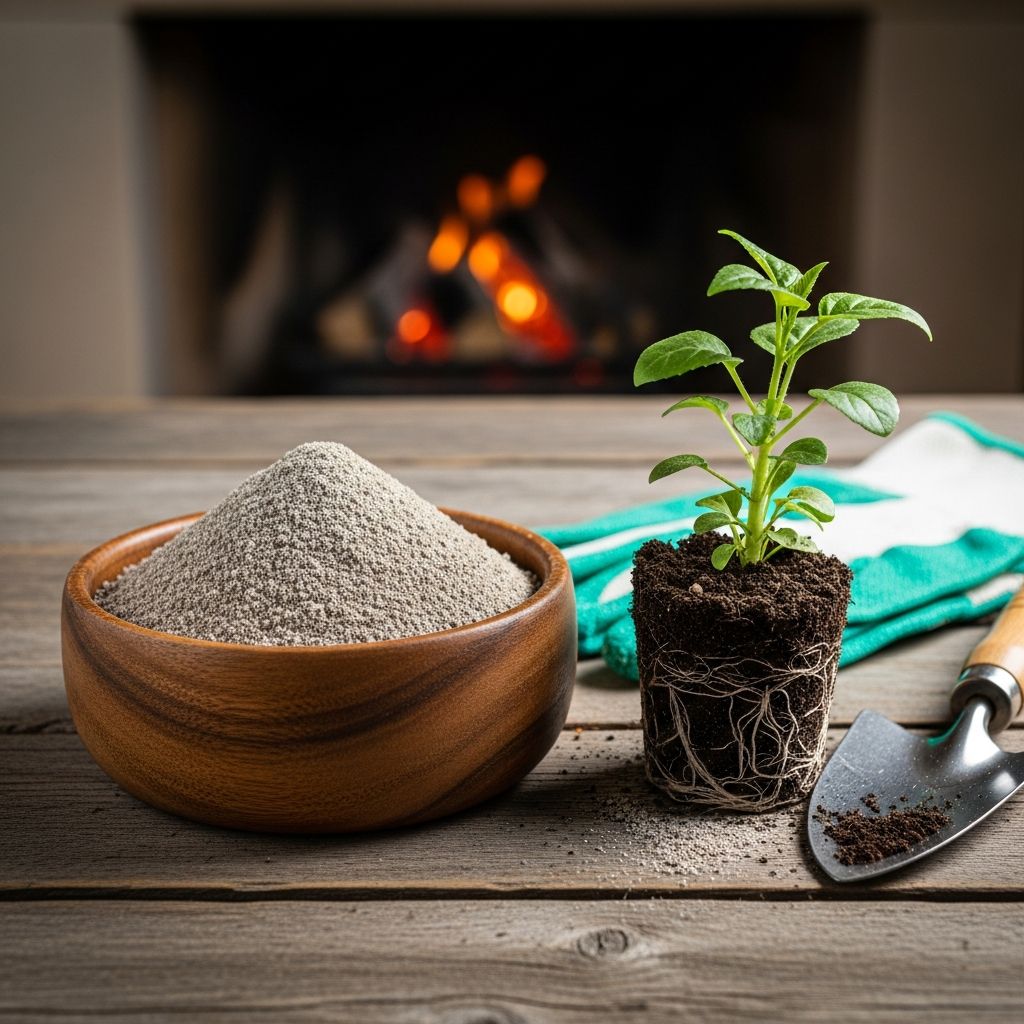
After enjoying a cozy evening by the fire, you might be tempted to scoop up the wood ash and toss it in the trash—but you should reconsider. Wood ash is an overlooked resource that can perform numerous tasks around your home and garden, from improving soil health to eliminating odors and even providing traction on icy surfaces. Rather than discarding this byproduct, savvy homeowners are discovering that fireplace ash has significant value and versatility.
Wood ash contains valuable nutrients and properties that make it useful for gardening, composting, pest control, and various household applications. It contains significant amounts of calcium and potassium, along with smaller quantities of aluminum, magnesium, phosphorus, and sodium. These minerals are essential for plant growth and soil health. Additionally, wood ash is highly alkaline, which means it can raise soil pH levels and impact how plants utilize nutrients in the soil.
Understanding Wood Ash Composition
To use wood ash effectively, it’s important to understand what it contains. The primary nutrient in wood ash is potassium, often referred to as “potash” (potassium bicarbonate), which plays a crucial role in transporting food within plants and creating sugars and starches. Calcium comprises 20 percent or more of wood ash content, making it particularly valuable for soil amendment. Potassium occurs at concentrations of up to 5 percent, while magnesium, phosphorus, and sulfur are typically found at concentrations up to 2 percent.
A cord of wood—a 4-by-4-by-8-foot stack—will produce approximately 25 pounds of ash on average, much of which is ideal for garden use. However, it’s critical to note that only wood ash should be used; avoid coal ash or ash from treated lumber, as these may contain harmful substances.
1. Enhancing Soil and Lawn Health
One of the most popular uses for wood ash is improving soil quality and promoting lawn health. Wood ash can balance your soil’s pH levels by making acidic soil less acidic. Limestone performs a similar function, but wood ash is more water-soluble, dissolving faster than limestone when exposed to rain.
Before applying wood ash to your soil, it’s essential to test your soil’s pH levels first. Most lawn and garden soil thrives at a pH between 6.0 and 7.0. Only add wood ash if your soil test shows a low pH reading (overly acidic conditions).
Wood ash can also replenish soil nutrients that are depleted by heavy crop production. Root crops such as carrots, beets, and parsnips, as well as peas, beans, and fruit, all perform better with the nutrient boost that wood ash provides. However, it’s important to avoid adding wood ash to acid-loving plants such as blueberries and rhododendrons, because the alkalinity will make their soil too alkaline and prevent proper nutrient uptake.
Application guidelines recommend spreading wood ash evenly over the treatment area during winter months. Applications should be limited to a maximum of 15 to 20 pounds (approximately a five-gallon pail) per 1,000 square feet per year. Where feasible, work the ash into the soil using a rototiller, spade, or rake in early spring. Avoid applying ash to plant leaves or stems directly; if some gets on foliage, rinse it off after application.
2. Composting with Wood Ash
Wood ash’s mineral composition can enhance your compost’s nutritional content in two effective ways. The first method involves sprinkling wood ash directly into your outdoor compost pile or indoor bin. You can add ash to each layer as you build your compost, distributing it evenly throughout.
The second method is creating wood ash tea, a liquid fertilizer that works particularly well for alkaline-loving plants. To make ash tea, soak 3 pounds of wood ash in a 30-gallon bucket of water for four to five days. After the soaking period, strain the mixture carefully and use the resulting liquid as a fertilizer. This method allows you to distribute the benefits of wood ash more evenly and in a gentler form.
When adding ash to compost, remember that it should be used in moderation as part of a balanced composting program. The carbon-to-nitrogen ratio is important for effective decomposition, so wood ash should complement rather than dominate your compost recipe.
3. Natural Pest Control Solutions
For gardeners seeking eco-friendly alternatives to chemical pesticides, wood ash offers effective solutions for controlling common garden pests. Its abrasive texture and chemical properties make it an excellent natural deterrent for various insects and soft-bodied creatures.
Deterring slugs and snails: Sprinkle wood ash around plants that slugs and snails gravitate toward. These soft-bodied creatures find the dry soot uncomfortable to traverse, creating an effective barrier that prevents them from reaching your plants. When dry, wood ash is particularly effective at this task.
Repelling ants: Create a protective ring of ash around plants and other areas you want to keep ant-free. The ash creates a physical barrier that ants find difficult to cross.
Protecting root crops: When sowing carrots, wood ash sprinkled in the rows can keep turnip flies away. If you sprinkle wood ash in dry form over turnips and carrots, you can also deter turnip flies before applying water.
The key to effective pest control with wood ash is consistent reapplication, especially after rain, since moisture reduces its effectiveness. Apply ash during calm weather conditions to prevent wind from distributing it to unintended areas.
4. Improving Traction on Icy Surfaces
Winter brings both challenges and opportunities for using wood ash. One of its most practical cold-weather applications is improving traction on icy pathways and driveways. Simply sprinkle wood ash on icy surfaces to provide grip and prevent slipping accidents.
This use is particularly valuable because wood ash works without the chemical concerns associated with rock salt, making it safer for plants, pets, and the environment. Keep some ash stored in your car during winter months in case you get stuck in ice and snow. It’s a natural, readily available solution that many homeowners already have on hand from their fireplaces and wood stoves.
5. Absorbing Driveway and Garage Spills
Wood ash’s absorbent properties make it valuable for cleaning up spills in your driveway or garage. Whether you’ve spilled oil while changing your car’s oil or encountered another liquid mess, wood ash can absorb the spill effectively.
Simply spread the ash over the spill area and allow it to absorb the liquid. Once the ash has soaked up the spill, sweep it up easily. This method is more eco-friendly than many commercial absorbent products and uses a material you might otherwise discard. It’s an efficient way to handle small to moderate spills without creating additional waste.
6. Creating Natural Cleaning Solutions
Beyond its uses in the garden and on outdoor surfaces, wood ash can contribute to creating natural cleaning solutions for your home. The alkaline properties that make it valuable for soil amendment can also be harnessed for household cleaning purposes, offering an eco-friendly alternative to commercial cleaners.
Wood ash can be combined with water to create a mild lye solution suitable for various cleaning applications. This natural approach aligns with sustainable home management practices and reduces reliance on chemical cleaners that may be harsh on the environment and your health.
7. Making Natural Soap
One of the more creative uses for wood ash is soap making. The lye content in wood ash, when properly extracted and processed, can be used in traditional soap-making methods. This application requires more careful handling and knowledge of soap-making chemistry, but it represents an excellent way to transform fireplace waste into useful household products.
For those interested in soap making, wood ash tea (the water solution mentioned in the composting section) can serve as a base for lye extraction. This ancient technique, once common in many households, is experiencing a revival among those interested in sustainable living and natural product creation.
8. Odor Elimination and Sanitation
Wood ash has natural deodorizing properties that make it useful for eliminating odors in various household and outdoor applications. Its porous structure and alkaline nature help neutralize odors effectively.
This property is particularly valuable for composting toilets, chicken coops, and other areas where odor control is important. Sprinkling wood ash in these spaces helps manage unpleasant smells while adding beneficial nutrients that can eventually be composted or used in the garden.
Important Considerations and Best Practices
While wood ash is a valuable resource, its use requires careful consideration and planning. Before applying ash to your garden or lawn, conduct a soil test to understand your soil’s current nutrient levels and pH. This professional analysis, available through local extension services, provides specific recommendations for amendment applications.
Remember that wood ash is not a complete fertilizer—it lacks nitrogen, which is essential for plant growth. Use it as one component of a comprehensive soil management strategy rather than as a standalone solution.
The source of your wood ash matters significantly. Only use ash from untreated wood burned in fireplaces or wood stoves. Avoid ash from pressure-treated lumber, which contains harmful chemicals, or from coal fires, which may contain toxic substances.
Storage is also important. Keep ash in a tightly-lidded metal container to prevent moisture absorption and maintain its effectiveness. Wet ash loses much of its benefit and becomes difficult to apply.
Frequently Asked Questions
Can I use wood ash from my fireplace immediately?
No. Always allow wood ash to cool completely and ensure there are no live embers before handling or storing it. This is crucial for safety reasons.
Is all wood ash the same?
No. Only ash from untreated wood is suitable for gardens and home use. Avoid ash from treated lumber or coal, as these contain harmful substances that can contaminate soil and plants.
How much wood ash should I apply to my garden?
Generally, limit applications to 15 to 20 pounds (approximately a five-gallon pail) per 1,000 square feet per year. Excessive amounts can lead to nutrient toxicity and nutrient deficiency issues. Always base applications on soil test recommendations.
Can I use wood ash on all plants?
No. Avoid using wood ash on acid-loving plants such as blueberries and rhododendrons. These plants require acidic soil conditions, and wood ash will make the soil too alkaline for optimal growth.
Does wood ash work as well as limestone for adjusting pH?
Wood ash can be used as a liming material at about half the rate of agricultural limestone or dolomite. It’s more water-soluble than limestone, dissolving faster when exposed to rain, but its effectiveness depends on your specific soil conditions.
How do I apply wood ash to avoid wind distribution?
Always apply wood ash on calm days when wind is minimal. Because ash particles are very fine and easily blown by wind, windy conditions can result in misapplication and wasted material.
Can wood ash be used year-round?
While ash can be applied throughout the year, winter applications are often recommended, with incorporation into soil in early spring. This timing allows for gradual dissolution and nutrient release.
What should I do if wood ash gets on plant leaves?
If wood ash contacts plant leaves or stems, rinse it off as needed after application to prevent potential damage or nutrient imbalances.
References
- 8 Uses for Wood Ash at Home and in the Garden — This Old House. 2024. https://www.thisoldhouse.com/fireplaces/21173249/8-uses-for-wood-ash-at-home-and-in-the-garden
- Using Wood Ash in the Home Garden — University of Wisconsin Horticulture Extension. 2024. https://hort.extension.wisc.edu/articles/using-wood-ash-in-the-home-garden/
- The Benefits and Concerns About Using Wood Ash in Gardens — Mansfield News Journal. 2023-01-03. https://www.mansfieldnewsjournal.com/story/life/2023/01/03/the-benefits-and-concerns-about-using-wood-ash-in-gardens/69763924007/
- Wood Ash for the Garden: What You Need to Know — Food Garden Life. 2024. https://www.foodgardenlife.com/learn/wood-ash-for-garden
- Using Wood Ash in the Garden — University of Georgia Extension. 2020-12. https://site.extension.uga.edu/fannin-gilmer/2020/12/using-wood-ash-in-the-garden/
Similar Articles







Read full bio of medha deb