Wood Floors for Bedrooms: Style, Comfort & Installation
Transform your bedroom with beautiful wood flooring: Design tips, types, and installation guidance.
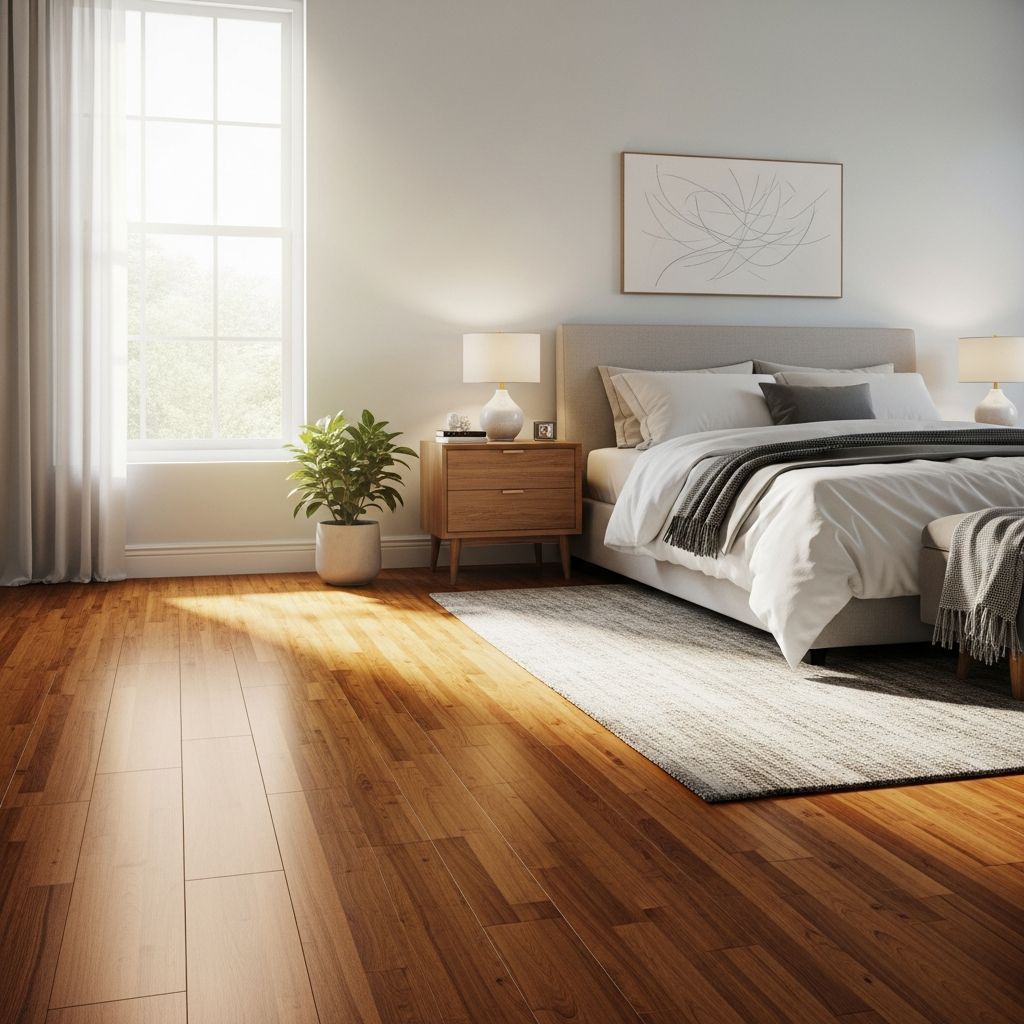
Wood Floors for Bedrooms: Creating the Perfect Foundation for Your Personal Retreat
Your bedroom is more than just a place to sleep—it’s your personal sanctuary, a space where comfort, style, and relaxation converge. One of the most significant decisions you’ll make when designing or renovating your bedroom is choosing the right flooring. Wood floors have emerged as a popular choice for bedrooms, offering a timeless aesthetic that complements virtually any design scheme while providing durability and warmth underfoot. Whether you’re looking to add elegance to a master suite or create a cozy retreat in a guest room, wood flooring presents an excellent option that balances form and function.
Why Choose Wood Flooring for Your Bedroom?
Wood flooring offers numerous advantages that make it particularly suitable for bedroom environments. Unlike tile or stone, wood provides a naturally warm surface that feels inviting underfoot, especially during those cold morning trips to the bathroom. This warmth isn’t just physical—it creates an emotional sense of comfort and luxury that many homeowners prize in their personal spaces.
Beyond comfort, wood floors offer exceptional aesthetic versatility. Whether your bedroom style leans toward modern minimalism, rustic farmhouse, contemporary chic, or traditional elegance, wood flooring serves as an ideal foundation. The natural grain patterns, color variations, and texture of wood add visual interest and depth to any bedroom design. Additionally, wood floors are known for their longevity and ability to be refinished multiple times throughout their lifespan, making them a wise long-term investment for your home.
Types of Wood Flooring for Bedrooms
Solid Hardwood Flooring
Solid hardwood flooring is crafted from a single piece of wood and represents the most traditional and luxurious option for bedroom floors. Popular species include oak, maple, hickory, cherry, and walnut, each offering distinct color palettes and grain patterns. Solid hardwood can be stained to various tones and is highly durable, capable of withstanding the wear and tear of daily bedroom use. However, solid hardwood is sensitive to moisture and humidity fluctuations, which can cause warping or cupping. For bedrooms, this is generally not a concern unless your bedroom is adjacent to a bathroom or located in a particularly humid environment.
Engineered Hardwood Flooring
Engineered hardwood consists of a real wood veneer layered over a plywood base. This construction makes it more stable than solid hardwood, particularly in rooms with varying humidity levels. Engineered wood offers the authentic appearance of real hardwood at a more affordable price point, making it an excellent choice for budget-conscious homeowners who don’t want to compromise on aesthetics. This option is particularly suitable for bedrooms in homes with concrete subfloors or those in climates with significant humidity variations.
Laminate and Vinyl Alternatives
While not authentic wood, laminate and luxury vinyl plank (LVP) flooring can convincingly mimic the appearance of wood at a fraction of the cost. These materials are highly durable, easy to maintain, and resistant to moisture, making them practical alternatives for bedrooms. Modern laminate and vinyl options have advanced significantly in appearance, with high-definition printing creating remarkably realistic wood grain patterns and colors.
Design Considerations for Bedroom Wood Floors
Color Selection and Bedroom Aesthetics
The color of your wood flooring plays a crucial role in establishing the overall mood and aesthetic of your bedroom. Light wood tones such as ash, maple, and birch create an airy, open atmosphere that works beautifully in modern and Scandinavian-inspired bedrooms. These lighter options make rooms feel more spacious and contribute to a calm, serene environment conducive to relaxation and sleep.
Medium wood tones offer versatility and warmth, working well with both traditional and contemporary design schemes. Oak and some hickory varieties fall into this category, providing a balanced aesthetic that feels neither too dark nor too light. Dark wood flooring, achieved through species like walnut or ebony stains, adds drama, sophistication, and a sense of luxury to bedroom spaces. Dark floors work particularly well in master bedrooms with sufficient natural light and can create an intimate, cocoon-like atmosphere that many find appealing.
Wood Grain and Pattern Options
Beyond color, the grain pattern of your wood flooring influences the overall design impact. Straight grain patterns create a clean, contemporary look, while varied grains add visual interest and character. Some homeowners prefer uniform, consistent patterns for a more formal appearance, while others embrace the natural variation found in authentic wood for a more organic, rustic feel. Consider how these patterns will interact with other elements in your bedroom, such as window treatments, furniture, and wall colors.
Room Size and Plank Width Considerations
The width of your wood planks can visually affect the perceived size of your bedroom. Wider planks (typically 4-6 inches or more) create a sense of openness and are popular in modern and contemporary bedroom designs. Narrower planks (2-3 inches) create a more traditional appearance and can make a space feel more finished and detailed. For smaller bedrooms, wider planks can help the space feel larger, while in spacious master bedrooms, either option works effectively depending on your design preferences.
Preparation and Installation Basics
Subfloor Assessment and Preparation
Before installing wood flooring in your bedroom, properly assessing and preparing the subfloor is essential. The subfloor must be structurally sound, clean, and level. Check for any protruding nails, damaged boards, or uneven areas. For concrete subfloors, ensure they are completely dry and use a moisture barrier to protect your wood flooring from dampness. A vapor barrier or moisture-retardant underlayment should be installed between the subfloor and wood flooring to prevent moisture-related damage, which is critical for the longevity of your investment.
Acclimation of Wood Flooring
Wood naturally responds to changes in humidity and temperature. Before installation, allow your wood flooring to acclimate to your bedroom’s environment for 48-72 hours. This process allows the wood to adjust to the humidity levels in your home, reducing the likelihood of expansion or contraction after installation that could cause gaps or buckling.
Installation Methods
Several installation methods are available for wood bedroom flooring, each with distinct advantages and considerations:
- Nail-Down Installation: Traditional method suitable for wood subfloors, requiring nails driven through the flooring into the subfloor beneath. This method is durable and long-lasting but requires professional skills and specialized equipment.
- Glue-Down Installation: Flooring is adhered directly to the subfloor using specialized adhesive. This method works on both wood and concrete subfloors and creates a solid, stable floor.
- Floating Installation: The flooring is not attached to the subfloor but rather sits on top of an underlayment, held in place by its own weight and the friction between planks. This method is easier for DIY installation and allows for wood expansion and contraction.
Maintenance and Care for Bedroom Wood Floors
Regular Cleaning Routine
Maintaining your bedroom wood floors doesn’t require complicated procedures. Regular vacuuming or sweeping removes dust and debris that can scratch the surface. Use a slightly damp microfiber mop for gentle cleaning, ensuring you don’t saturate the wood with water. For stubborn spots, use a wood-specific cleaner designed to protect the finish while removing grime.
Protecting Your Investment
Minimize scratches by using felt pads under furniture legs and encouraging household members to remove shoes in the bedroom. Area rugs not only add comfort and warmth but also protect high-traffic areas of your bedroom floor from wear. Maintain consistent humidity levels (between 30-50%) to prevent wood movement and potential damage. Use humidifiers during dry months and dehumidifiers during humid periods to create an optimal environment for your wood floors.
Long-Term Refinishing Options
One of the greatest advantages of wood flooring is its ability to be refinished. As your bedroom floor shows signs of wear over time, professional refinishing can restore it to like-new condition. Sanding and resealing can typically be performed multiple times throughout the lifespan of your flooring, extending its life for decades and allowing you to refresh the appearance of your bedroom without replacing the entire floor.
Bedroom-Specific Design Ideas
Master Bedroom Elegance
In a master bedroom, consider using rich, dark wood flooring paired with plush area rugs to create a luxurious retreat. Wide-plank flooring adds to the sense of sophistication and can be complemented with elegant bedroom furniture and soft, neutral wall colors.
Guest Bedroom Versatility
Guest bedrooms benefit from medium-toned wood flooring that works with various design styles. This neutral foundation allows guests to feel comfortable while giving you flexibility to update the room’s décor without worrying about coordinating flooring.
Child’s Bedroom Practicality
In children’s bedrooms, wood flooring offers practical advantages. It’s easy to clean when spills occur, durable enough to withstand toys and active play, and provides a safe, non-toxic surface. Pair it with colorful rugs and furniture to create a vibrant, welcoming space.
Cost Considerations and Budgeting
Wood flooring costs vary significantly based on the type of wood, quality grade, and installation method. Solid hardwood typically ranges from $3 to $14 per square foot, while engineered hardwood offers more budget-friendly options from $2 to $10 per square foot. Professional installation generally costs $8 to $15 per square foot, though DIY installation can reduce overall costs. When budgeting for bedroom wood floors, consider the entire project scope, including underlayment, removal of existing flooring, and any necessary subfloor repairs.
Environmental and Health Considerations
If sustainability and health are important to you, look for wood flooring certified by the Forest Stewardship Council (FSC) or similar organizations that ensure responsible forestry practices. These options support environmental conservation while providing the beauty and warmth of authentic wood. Additionally, wood flooring contains no harsh chemicals or volatile organic compounds, making it a healthy choice for your bedroom environment, particularly important since you spend significant time sleeping in this space.
Frequently Asked Questions
Q: Is hardwood flooring too cold for bedrooms?
A: While wood can feel cooler than carpet underfoot, it’s warmer than tile or stone. Adding area rugs, particularly near the bed and bedside areas, creates warm zones. Additionally, radiant floor heating systems can be installed beneath wood floors for ultimate comfort during cold months.
Q: Can wood flooring be installed over concrete in a bedroom?
A: Yes, engineered hardwood or laminate can be installed over concrete using proper moisture barriers and underlayment. Solid hardwood is not recommended for concrete subfloors due to moisture concerns, but engineered options work well with appropriate precautions.
Q: How do I prevent squeaky wood floors in my bedroom?
A: Squeaks typically result from movement between the floor and subfloor. Proper installation with adequate fastening, quality underlayment, and maintaining appropriate humidity levels will minimize or eliminate squeaking. If squeaks develop over time, a professional can address them through various remediation techniques.
Q: What’s the best wood species for bedroom flooring?
A: The best species depends on your aesthetic preferences and lifestyle. Oak and maple are versatile and durable; hickory offers distinctive character; walnut provides luxury and sophistication; and ash delivers contemporary appeal. Consider your bedroom’s design style, lighting, and personal color preferences when selecting species.
Q: How often should I refinish my bedroom wood floors?
A: Most wood floors can be refinished every 7-10 years or when showing signs of significant wear. Bedrooms, being lower-traffic areas, may require refinishing less frequently than other rooms in your home—potentially extending the interval to 10-15 years with proper care and maintenance.
References
- How to Install Hardwood Flooring — The Home Depot. https://www.homedepot.com
Similar Articles






Read full bio of medha deb