Restoring Wooden Entry Doors: Critical Pitfalls to Sidestep
Master the essential techniques to achieve a professional-quality wooden door refinish.
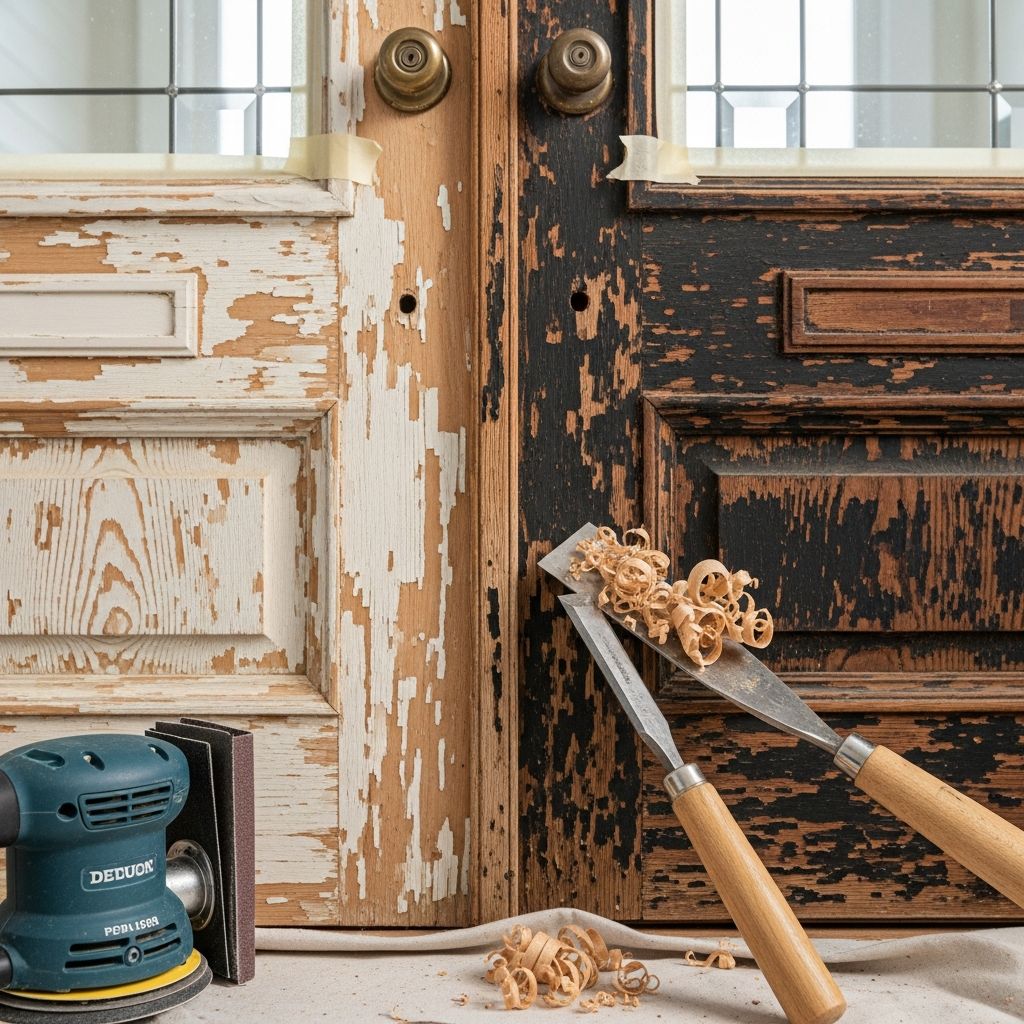
Refinishing a wooden entry door represents one of the most rewarding yet technically demanding home improvement projects a homeowner can undertake. While the visual transformation can dramatically enhance curb appeal and property value, the process demands precision, proper materials, and methodical execution. Many DIY enthusiasts underestimate the complexity involved, viewing door refinishing as a straightforward painting task rather than a comprehensive restoration process requiring multiple specialized steps. Understanding the most frequent mistakes—and how to prevent them—can mean the difference between a beautiful, long-lasting finish and disappointing results that necessitate costly professional intervention within months.
Foundation Failures: Understanding Why Mistakes Occur
The root causes of door refinishing failures typically cluster around three primary factors: rushing the project, lacking specialized knowledge about wood restoration techniques, and miscalculating the overall complexity of the undertaking. When homeowners approach door refinishing with the mindset that it mirrors a standard interior painting project, they inadvertently skip crucial preparation and conditioning steps that professionals recognize as non-negotiable. Time pressure—whether self-imposed or circumstantial—frequently leads to abbreviated surface preparation, inadequate drying intervals between coats, and insufficient attention to environmental conditions during application. These shortcuts create a cascade of problems that manifest weeks or months later, transforming what seemed like time savings into extended periods of dealing with peeling finishes, uneven stain absorption, and structural concerns.
Surface Preparation: The Foundation of Success
The absolute foundation of any successful door refinishing project begins with meticulous surface preparation, yet this step receives insufficient attention in most DIY attempts. The door’s surface must be completely free from contaminants—dirt, grease, oxidized paint, and hand oils—that accumulate over years of use. Many homeowners fail to recognize that paint and stain cannot achieve proper adhesion to dirty surfaces; any existing grime creates a barrier preventing chemical bonding between the finish and the wood.
Begin preparation by thoroughly cleaning the entire door surface with an appropriate degreaser or trisodium phosphate (TSP) solution, paying particular attention to areas surrounding hardware where oils from frequent hand contact concentrate. Allow the door to dry completely before proceeding. This foundational cleaning step cannot be rushed or minimized; it directly determines whether subsequent coats will bond effectively or begin peeling within months of completion.
Sanding Techniques: Precision and Consistency Matter
Sanding represents the most technically challenging phase of door refinishing, where numerous mechanical errors can permanently compromise the final result. The most common sanding mistakes fall into several distinct categories, each producing different types of visible damage.
Grit Selection and Progression
Selecting appropriate sandpaper grit requires understanding the purpose of each stage in the sanding sequence. Beginning with excessively coarse grit—such as 60 or 80—creates deep scratches that become glaringly apparent once stain or clear finish is applied, particularly in directional lighting. These coarse scratches are extraordinarily difficult to remove and often require restarting the entire sanding process with progressively finer grits. Conversely, starting with sandpaper that is too fine will fail to effectively remove old, failed finishes, leaving residual paint or stain that prevents new coatings from adhering properly.
The optimal approach involves a progressive sequence: begin with 120-grit sandpaper to remove the existing finish, progress to 150-grit for intermediate smoothing, and finish with 220-grit for the final surface preparation. This graduated approach removes previous finishes while systematically refining the wood surface for optimal stain absorption and topcoat appearance.
Directional Consistency and Grain Direction
One of the most visible refinishing errors involves sanding against the wood grain, which creates cross-grain scratches that become painfully obvious once stain is applied. These scratches catch stain differently than properly sanded surfaces, creating visible linear marks that undermine the entire refinishing effort. Always sand parallel to the wood grain direction, maintaining consistent directional pressure throughout the process. When grain direction changes across different door panels, adjust your sanding direction accordingly to maintain consistency within each section.
Pressure and Power Tool Control
Many DIYers, particularly when using power sanders, apply excessive pressure that creates irregular depressions, wavy spots, or divots in the wood surface. These imperfections become emphasized once stain is applied, creating an unprofessional appearance that persists indefinitely. Power sanders should be moved with consistent, deliberate pressure—allowing the tool to do the work rather than forcing it. When using orbital or belt sanders, maintain steady forward motion without dwelling in any single area, which prevents the mechanical action from gouging the wood.
Veneer Preservation
Contemporary wooden doors frequently feature thin veneer construction rather than solid wood throughout. This veneer layer—often just a fraction of an inch thick—represents the visible surface, while the core consists of less expensive material. Aggressive sanding or treating veneer-faced doors as solid wood construction can strip away this thin layer entirely, resulting in permanent, irreversible damage that exposes the underlying substrate. Recognize veneer construction early in your project and sand with particular gentleness, using finer grits and lighter pressure to preserve the veneer’s integrity.
Chemical Stripping and Specialized Removers
When existing finish proves too stubborn for mechanical sanding, chemical strippers become necessary. Selecting appropriate chemical removers requires careful consideration, as unsuitable products can damage wood fibers or create toxic fumes. Water-based strippers generally prove safer for indoor use and residential applications, though they may require longer application times. Solvent-based strippers work faster but demand exceptional ventilation and appropriate safety precautions.
For homes constructed before 1978, lead paint represents a significant hazard requiring specialized removal procedures and professional certification. Lead dust inhalation poses serious health risks to occupants, particularly children and pregnant women. If your home falls into this era and you suspect lead paint, professional lead-certified contractors should handle removal rather than risk dangerous exposure through DIY methods.
Stain Application and Color Development
After successful surface preparation and sanding, stain application presents its own distinct challenges. Splotchy, uneven stain absorption frequently occurs due to inconsistent wood porosity, particularly in softwoods like pine that naturally absorb stain unevenly. This problem multiplies when the wood contains grain variations, knots, or figure that accept stain at different rates. The solution involves applying a pre-stain wood conditioner to the prepared surface, which equalizes wood porosity and prevents blotchy absorption patterns.
Streaking—another common stain application failure—results from excess stain that hasn’t been properly wiped away or distributed evenly. Stain should be applied with consistent brush or rag strokes, working in manageable sections before excess accumulates. Wipe excess stain with lint-free cloths following the grain direction, ensuring uniform color development and removing any puddles that might otherwise dry into visible dark streaks.
Stain type selection also significantly impacts results. Oil-based stains generally perform better on hardwoods, penetrating effectively while allowing extended working time. Water-based stains suit softer woods and require faster application due to quicker drying characteristics. Matching stain type to your door’s wood species improves color consistency and absorption patterns.
Hardware Removal and Masking Errors
Many homeowners overlook the importance of removing and separately cleaning door hardware—locksets, strike plates, hinges, and decorative elements—before beginning refinishing work. Attempting to work around hardware results in uneven finish coverage, paint accumulation around fixtures, and a visibly unprofessional appearance. Removing hardware also facilitates thorough surface cleaning in areas where dust and grime accumulate heavily.
Additionally, modern decorative door hardware should be temporarily stored safely rather than risked during refinishing. Metal fixtures may require protective coating if they will come into contact with stain or finish during reinstallation. Document hardware placement through photographs before removal to facilitate accurate reinstallation after finishing is complete.
Sealant Selection and Protection
The final critical phase involves selecting an appropriate sealant that provides long-term protection for the newly finished door. Many DIYers economize at this crucial stage by selecting inexpensive sealants that offer minimal UV protection. These budget-conscious choices inevitably fail within months, as doors constantly exposed to sunlight undergo rapid degradation without adequate UV blockers in the finish. A quality exterior-grade sealant with robust UV protection, water resistance, and durability characteristics determines whether your refinishing effort maintains its appearance for years or begins failing within a season.
Environmental Conditions During Application
The temperature, humidity, and weather conditions at the time of application significantly influence finish quality and durability. Applying stain or sealant during excessively humid conditions, high temperatures, or in the presence of rain compromises the finish’s ability to cure properly. Environmental extremes slow or prevent proper drying, leading to uneven color development, extended tacky surfaces vulnerable to dust accumulation, and weakened final results.
Optimal application conditions typically involve temperatures between 50-85°F with relative humidity below 85%. Avoid application on days when rain threatens or when direct sunlight will hit the freshly finished door during the cure period. Evening application followed by overnight drying often provides superior results compared to midday application.
Drying Time Patience and Coat Sequencing
Insufficient drying time between coats represents a deceptively significant source of refinishing failures. Many homeowners apply subsequent coats before previous coats have achieved adequate hardness and cure, resulting in softened layers that interact poorly with new applications. Stain requires specific drying periods before sealant application, and each sealant coat requires full cure time before subsequent coats can be applied.
Following manufacturer-specified drying times—rather than proceeding when the surface merely feels dry to the touch—ensures proper chemical cross-linking and adhesion between layers. Rushing this process frequently necessitates complete refinishing within months after inadequate layers begin peeling or checking.
Interior Door Considerations
Interior wooden doors present distinct challenges compared to exterior installations. Indoor environments expose doors to different moisture patterns, temperature fluctuations, and paint compatibility issues. Using exterior paint designed for harsh environmental exposure creates problems indoors due to strong odors and improper cure characteristics within controlled interior environments.
Interior doors require primers and paints specifically formulated for indoor use, with adhesion characteristics matched to the door’s material—typically wood or molded composite surfaces. Molded doors with slick surfaces demand high-quality primers capable of bonding to non-porous materials; inadequate primers result in paint adhesion failures causing peeling and chipping despite properly prepared surfaces.
Metal Door and Specialty Materials
Doors constructed from metal or composite materials require entirely different preparation and finishing approaches than solid wood. Metal doors demand rust removal and specialized metal primers to prevent oxidation and ensure paint adhesion. Simply painting over rust spots allows oxidation to continue underneath the new finish, eventually bubbling upward and ruining the refinished surface.
Composite and fiberglass doors require distinct surface conditioning approaches to ensure paint or stain adhesion. Understanding your door’s material composition before beginning refinishing prevents applying inappropriate products and techniques designed for different substrates.
Tool Quality and Equipment Selection
The quality of tools used throughout the refinishing process directly influences results. Low-quality brushes shed bristles, produce streaky applications, and create visible brush marks in the final finish. Quality brushes designed for smooth surfaces deliver even paint or stain distribution and professional-appearing results. Similarly, inadequate or worn sanding equipment fails to remove old finishes effectively, perpetuating preparation failures that compound throughout subsequent phases.
Professional Versus DIY Considerations
Door refinishing represents a project where professional expertise often provides superior value despite higher upfront costs. Professional restoration companies possess specialized equipment, high-quality materials, environmental control capabilities, and the accumulated knowledge to avoid common mistakes. For valuable doors, complex finishes, or situations involving pre-1978 construction with potential lead paint, professional services typically prove cost-effective compared to DIY failures requiring expensive correction work.
References
- Common Door Refinishing Mistakes And How To Avoid Them — Cali Door Stain. 2025. https://cali.doorstain.com/blog/services/door-refinishing/common-door-refinishing-mistakes/
- What to Know Before You Refinish Your Front Door — John Neill Painting. October 27, 2025. https://johnneillpainting.com/2025/10/27/refinish-front-door-advice/
- 7 Mistakes DIYers Make When Staining and Painting Exterior Doors — Burano Doors. https://buranodoors.com/blog/diy-mistakes-staining-painting-exterior-doors/
- Refinishing a Door Without Taking it Off The Hinges — The Wood Whisperer. https://thewoodwhisperer.com/videos/refinishing-a-door-without-taking-it-off-the-hinges/
- Poorly Refinished Doors — Door Dr HHI. https://www.doordrhhi.com/poorly-refinished-doors
Similar Articles



Read full bio of Sneha Tete