Wrench Light on Dashboard: What It Means and What to Do
Understanding your vehicle's wrench warning light and taking the right action to keep your car running smoothly.
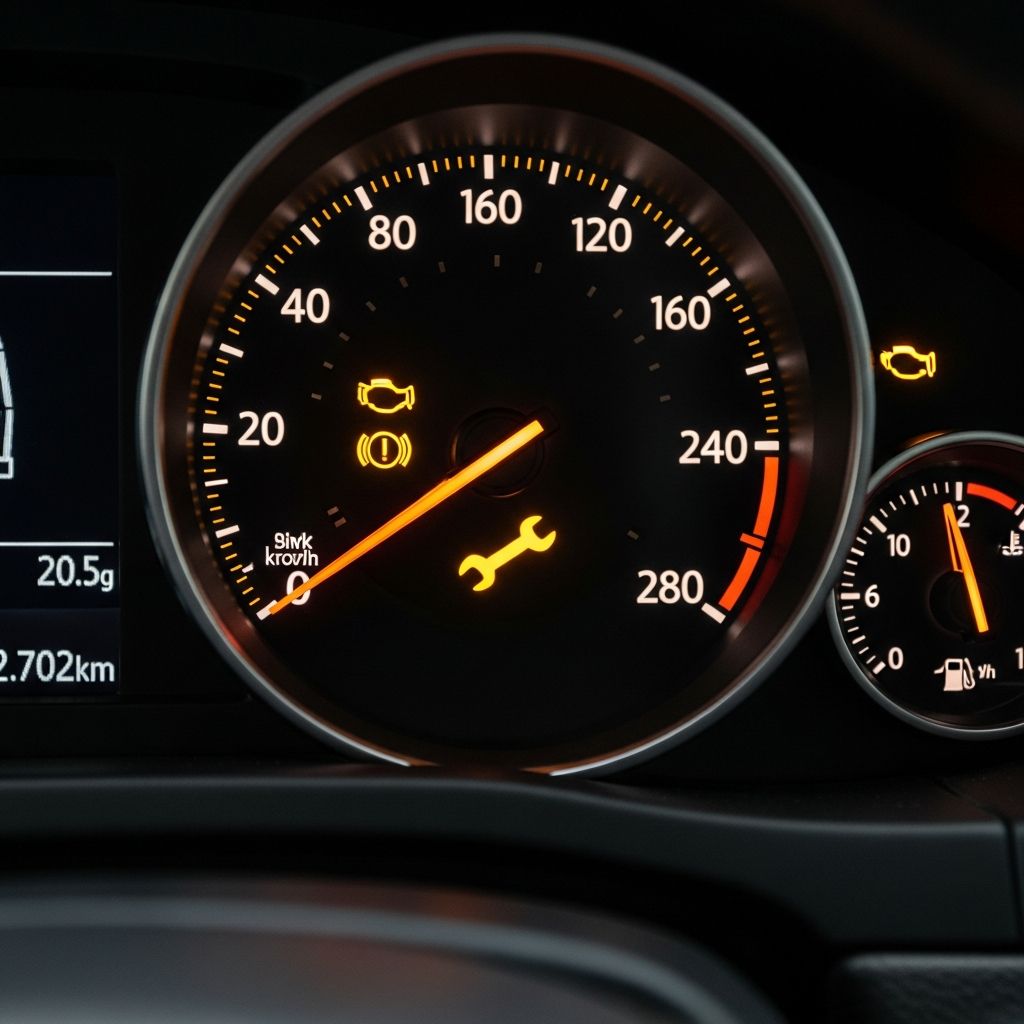
Understanding the Wrench Light on Your Dashboard
If you’ve recently noticed a wrench icon illuminating on your car’s dashboard, you might be wondering what it means and how urgently you need to address it. Unlike some warning lights that immediately signal danger, the wrench light is your vehicle’s way of communicating that maintenance is required. This warning system is designed to help you stay on top of vehicle upkeep and prevent more serious mechanical problems down the road.
The wrench light serves as a maintenance reminder or indicator of a system fault, depending on your vehicle’s make and model. Understanding what this light means is the first step toward proper vehicle care and avoiding expensive repairs. Different manufacturers use this symbol in different ways, so it’s essential to consult your owner’s manual to understand exactly what your vehicle is trying to tell you.
What Does the Wrench Light Actually Mean?
The wrench light can illuminate for several different reasons, and the meaning varies depending on your vehicle’s manufacturer. In most cases, this warning light falls into one of two categories: a maintenance reminder or a more serious system fault indicator.
Maintenance Reminder: The most common reason for the wrench light to appear is that your vehicle is due for scheduled maintenance. This typically includes routine services such as oil and oil filter changes, multi-point inspections, or other preventative care outlined in your manufacturer’s maintenance schedule. When the light appears as a maintenance reminder, it’s your vehicle’s way of ensuring you don’t miss important service intervals.
System Fault Indicator: In other cases, the wrench light indicates a problem with one of your vehicle’s major systems, such as the powertrain, transmission, or engine management system. Various sensors throughout your vehicle continuously monitor performance and can trigger the wrench light when they detect an issue that needs attention.
Wrench Light vs. Check Engine Light: What’s the Difference?
Many vehicle owners confuse the wrench light with the check engine light, but these are two separate warning systems that monitor different aspects of your vehicle. Understanding the distinction is important for proper vehicle maintenance.
The Check Engine Light typically relates to emissions system issues or engine problems. It indicates that your vehicle’s onboard diagnostic system has detected a problem that could affect engine performance or emissions compliance.
The Wrench Light is often tied to routine maintenance needs or powertrain problems. It may indicate that your vehicle needs an oil change, fluid top-up, or that a transmission-related issue requires attention.
Both warning lights deserve your attention, but they indicate different problems. If both lights appear simultaneously, this could suggest a more serious issue that requires immediate professional diagnosis.
Common Reasons the Wrench Light Appears
The wrench light can illuminate for various reasons. Here are some of the most common causes:
Oil Change Due: The most frequent reason for the wrench light is that your vehicle is due for an oil change. Your vehicle’s oil life monitoring system tracks the condition of your oil and alerts you when it needs replacement.
Low Oil Pressure: If your vehicle’s oil pressure drops below normal levels, the wrench light may illuminate. This can indicate low oil levels or a problem with the oil pump or pressure sensor.
Transmission Issues: Problems with your vehicle’s transmission fluid level, condition, or temperature can trigger the wrench light. Transmission fluid is critical to proper transmission operation and longevity.
Sensor Failures: Various sensors throughout your vehicle monitor different systems. When a sensor fails or malfunctions, it can trigger the wrench light. Common problematic sensors include the oil pressure sensor, transmission fluid sensor, and throttle position sensor.
Powertrain Problems: Issues with your vehicle’s engine management system, ignition timing, or other powertrain components can illuminate the wrench light.
Software Glitches: Sometimes, software errors in your vehicle’s onboard computer can cause warning lights to appear. A diagnostic scan can help identify whether the issue is a true malfunction or a software glitch.
What Should You Do When the Wrench Light Appears?
When you see the wrench light on your dashboard, it’s important to take appropriate action. Here’s a step-by-step approach to addressing the warning:
Step 1: Check Your Owner’s Manual
Start by consulting your vehicle’s owner’s manual. This document contains valuable information specific to your make and model, including what the wrench light means and recommended actions. Your manual may also include instructions for resetting the light or scheduling maintenance.
Step 2: Observe Your Vehicle’s Behavior
Pay close attention to how your vehicle is driving. Look for unusual sounds, vibrations, performance changes, or warning smells. These clues can help pinpoint the cause of the warning light and determine how urgently you need to address it.
Step 3: Schedule Maintenance or Repairs
If the wrench light indicates routine maintenance is due, schedule an appointment with your service technician to complete the necessary work. If the light appears alongside symptoms or unusual behavior, contact a professional mechanic for a diagnostic scan to identify the underlying problem.
Step 4: Avoid Driving If Necessary
If your vehicle exhibits severe symptoms such as loss of power, difficulty steering, or brake issues, it’s safer to avoid driving. Instead, arrange for your vehicle to be towed to a repair shop where technicians can diagnose and fix the problem.
Is It Safe to Drive With the Wrench Light On?
Whether you can safely drive with the wrench light illuminated depends on the underlying cause and your vehicle’s condition. If the car drives normally with no strange sounds, smells, or performance issues, you can typically drive short distances to reach a service facility. However, if your vehicle shows signs of reduced power, unusual noises, or other performance problems, it’s best to pull over and contact a professional.
Ignoring the wrench light can lead to more serious and expensive repairs down the road. What might start as a simple maintenance issue can escalate into major mechanical problems if left unaddressed. Taking prompt action when the light appears is always the better choice.
How to Reset the Wrench Light
Once your vehicle has been serviced or repaired, you’ll need to reset the wrench light. The process varies depending on your vehicle’s make and model, but here’s a general procedure that works for many vehicles:
General Reset Procedure:
Place your key in position two (or press your push-button start with your foot off the brake) to power up your vehicle without the engine running. On your vehicle’s touchscreen or main menu, scroll down to Applications. Select Vehicle Status Monitor, then Maintenance, followed by Oil Change. Choose Reset, and select Yes when prompted. The next time you start your vehicle, the wrench light should be off.
If this procedure doesn’t work for your vehicle, consult your owner’s manual for specific instructions. Your service technician can also reset the light for you once maintenance is complete. Never reset the light without addressing the underlying cause—doing so is like disconnecting your smoke detector instead of putting out the fire.
Professional Diagnosis and Maintenance
When the wrench light appears with symptoms, professional diagnosis is your best approach. A qualified technician will:
Check your vehicle’s scheduled maintenance status via your vehicle’s SYNC system or owner’s manual. Inspect sensors such as the oil life monitor or transmission fluid sensor for faults. Reset the maintenance light after service using the dashboard menu. Scan for diagnostic trouble codes using an OBD-II scanner to identify specific issues such as sensor failures or software glitches.
Professional technicians have the tools and expertise to quickly identify the problem and recommend the appropriate repair or maintenance service.
Preventative Measures to Avoid Wrench Light Issues
Taking proactive steps to maintain your vehicle can help prevent the wrench light from appearing unexpectedly. Here are some important preventative measures:
Use Quality Parts and Fluids: Always use high-quality oil, transmission fluid, and other automotive fluids recommended by your manufacturer. Cheap products might save money initially but can lead to expensive repairs later. Investing $30 in quality oil today is far better than paying $2,000 for engine damage tomorrow.
Address Warning Signs Early: Pay attention to unusual transmission behavior, rough idle, performance changes, or other warning signs. Early intervention is always cheaper than fixing problems after they’ve escalated into major issues.
Keep Your Vehicle Clean: Road salt, mud, and debris can corrode sensors and connectors, causing false warnings or sensor failures. Regular undercarriage washing, especially during winter months, prevents corrosion and keeps sensors functioning properly.
Follow the Maintenance Schedule: Stick to your manufacturer’s recommended maintenance schedule for oil changes, filter replacements, fluid checks, and inspections. Regular maintenance keeps your vehicle running smoothly and helps prevent unexpected problems.
Common Wrench Light Scenarios and Solutions
| Scenario | Likely Cause | Recommended Action |
|---|---|---|
| Wrench light only, vehicle drives normally | Routine maintenance due | Schedule service for oil change or fluid check |
| Wrench light with rough idle | Sensor malfunction or ignition issue | Have vehicle scanned for diagnostic codes |
| Wrench light with transmission problems | Transmission fluid issue or sensor fault | Check transmission fluid and have transmission scanned |
| Wrench light with loss of power | Serious powertrain problem | Avoid driving; have vehicle towed for service |
Frequently Asked Questions
Q: Is the wrench light the same as the check engine light?
A: No, they are separate warning systems. The check engine light relates to engine or emissions system issues, while the wrench light typically indicates maintenance needs or powertrain problems. Both deserve attention, but they indicate different issues.
Q: How do I turn off the wrench light?
A: After having your vehicle serviced, ask your technician to reset the light. If they don’t, consult your owner’s manual for reset instructions specific to your vehicle. Never reset the light without addressing the underlying cause.
Q: Can I drive with the wrench light on?
A: If your vehicle drives normally with no unusual symptoms, you can typically drive to a service facility. However, if you notice performance issues or warning signs, pull over and contact a professional.
Q: What does the wrench light mean on a Mazda?
A: On Mazda vehicles, the wrench light typically indicates that routine service is needed, usually including an oil and filter change plus a multi-point inspection to ensure all mechanical parts are in good condition.
Q: How often should I have my vehicle serviced?
A: Follow your manufacturer’s recommended maintenance schedule, typically found in your owner’s manual. Most vehicles require service every 5,000 to 10,000 miles or as indicated by your vehicle’s maintenance monitor.
References
- Wrench Light on Dashboard: What Does It Mean? — A-Premium.com. 2025. https://a-premium.com/blogs/wrench-light-on-dashboard
- Here’s What the Wrench Light On Your Dashboard Means — AHA Home. 2025. https://ahahome.org/heres-what-the-wrench-light-on-your-dashboard-means/
- Wrench Light On Your Dashboard? Meaning & What to Do — DHGate Smart. 2025. https://smart.dhgate.com/wrench-light-on-your-dashboard-meaning-what-to-do/
Similar Articles



Read full bio of medha deb