Year-Round Lawn Care for Vibrant Green Turf
Master seasonal strategies to keep your lawn lush, resilient, and emerald-green from spring through winter with proven maintenance techniques.
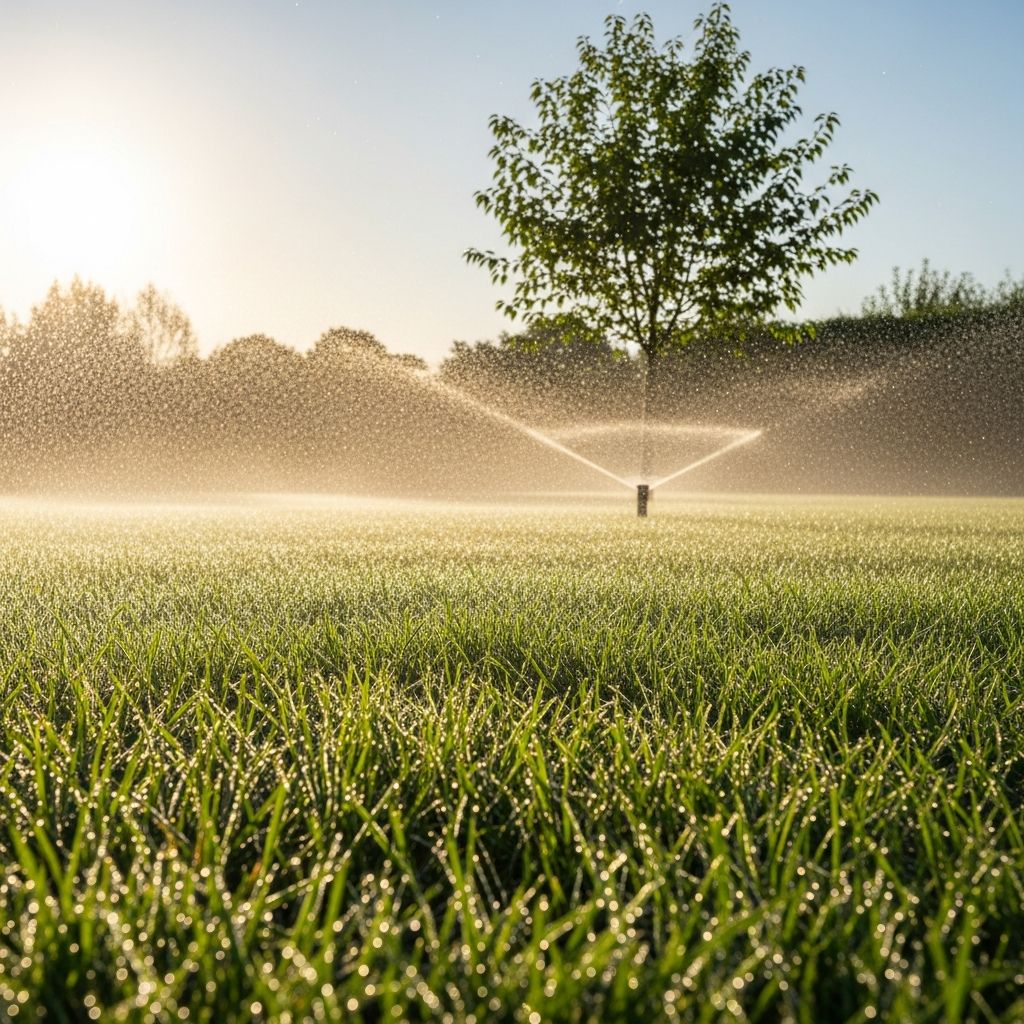
A lush, green lawn enhances your home’s curb appeal and provides a perfect outdoor space for relaxation. Achieving this requires consistent care tailored to each season. This guide outlines practical steps for mowing, watering, fertilizing, and more, ensuring your grass stays healthy and vibrant year-round.
Foundational Practices for Lawn Success
Before diving into seasonal routines, establish core habits that support long-term turf health. Proper soil preparation, mowing techniques, and basic monitoring form the backbone of a resilient lawn.
- Mowing Height Matters: Set your mower to cut no more than one-third of the grass blade at a time. For most cool-season grasses, maintain 3-4 inches; warm-season types thrive at 2-3 inches. Higher cuts promote deeper roots and shade the soil, reducing weed invasion and moisture loss.
- Watering Wisdom: Deliver 1-1.5 inches weekly, ideally in early morning to minimize evaporation. Deep, infrequent sessions encourage robust root systems over shallow daily sprinkles.
- Soil Testing: Test pH annually (aim for 6.0-7.0) and amend with lime or sulfur as needed. Healthy soil supports nutrient uptake and microbial activity.
Spring Awakening: Revitalizing Your Lawn
Spring marks the emergence from dormancy. Focus on cleanup, feeding, and weed prevention to set a strong foundation.
Begin with a thorough rake to remove thatch, dead grass, and winter debris like sticks and leaves. This improves air circulation and prevents disease. Apply a balanced fertilizer rich in nitrogen to fuel growth, following label rates—typically after the last frost when soil warms to 55°F.
Implement pre-emergent herbicides early to block crabgrass and other annual weeds before they sprout. For cool-season lawns, dethatch if buildup exceeds 0.5 inches, using a power rake or vertical mower.
| Month | Cool-Season Grasses | Warm-Season Grasses |
|---|---|---|
| March-April | Rake debris, apply pre-emergent, fertilize | Begin mowing, prepare for planting |
| May | Dethatch, aerate, overseed thin spots | Increase mowing, water as growth starts |
Patch bare areas with seed matching your turf type, keeping soil moist until germination (7-21 days).
Summer Strength: Beating Heat and Drought
Intense sun and heat test your lawn’s resilience. Adjust practices to conserve moisture and combat stress.
Raise mower height by 25% to shade roots and reduce evaporation. Mow frequently but never remove more than one-third of the blade—every 5-7 days for cool-season, 3-5 for warm-season grasses.
Water deeply early morning: 1 inch twice weekly if no rain. Use a tuna can to measure output. Mulch clippings back into the lawn for natural moisture retention and nutrients.
- Monitor for grubs, chinch bugs: Yellowing patches signal trouble; treat with targeted insecticides.
- Fertilize lightly mid-summer with slow-release formulas to avoid burn.
Avoid evening watering to prevent fungal diseases. Sharpen blades monthly for clean cuts that resist pests.
Fall Renewal: Building Winter Hardiness
Fall is prime for recovery and prep. Cooler temps and moisture spur root growth without top stress.
Aerate compacted soil with a core aerator, pulling plugs every 4-6 inches. This relieves compression, boosts nutrient flow, and prepares for overseeding.
Overseed thin areas with improved varieties for density. Apply starter fertilizer high in phosphorus. Rake leaves weekly to avoid smothering; mulch them finely as natural fertilizer.
Use winterizer fertilizer (high potassium) 4-6 weeks before frost to strengthen crowns against cold.
| Task | Timing | Benefit |
|---|---|---|
| Aeration | Early Fall | Improves root access to air/water |
| Overseeding | Mid-Fall | Thickens turf, crowds weeds |
| Final Fertilize | Late Fall | Enhances drought/cold tolerance |
Winter Protection: Safeguarding Dormant Grass
Even dormant, lawns need minimal care to prevent damage and ensure spring vigor.
Minimize traffic on frozen turf to avoid compaction and crown injury. Clear debris promptly; avoid piling snow from driveways, as salt harms grass.
Mow short one last time (1-2 inches below normal) to prevent matting. Service equipment: sharpen blades, winterize sprinklers.
For warm regions, light watering (0.5 inch) monthly if dry keeps roots alive.
Advanced Techniques for Superior Results
Elevate your lawn with these pro-level strategies.
Aeration and Topdressing
Annual core aeration followed by compost topdressing (0.25-0.5 inch layer) replenishes organics, levels imperfections, and enhances drainage.
Pest and Disease Vigilance
Scout weekly: Wilting despite water? Check for grubs. Powdery spots? Fungicide time. Integrated pest management favors beneficial insects over broad sprays.
Grass Type Selection
| Type | Best Regions | Key Care Notes |
|---|---|---|
| Cool-Season (Kentucky Bluegrass, Fescue) | North, Transition | Fertilize fall/spring, overseed annually |
| Warm-Season (Bermuda, Zoysia) | South | Summer feed, renovate late spring |
Common Mistakes and Fixes
- Overwatering: Leads to shallow roots, fungi. Fix: Soil probe test—water only if top 2 inches dry.
- Scalping: Cutting too short stresses grass. Fix: Gradual height adjustments.
- Ignoring Thatch: Blocks resources. Fix: Annual dethatching.
FAQs
How often should I fertilize my lawn?
3-4 times yearly: spring, early summer, fall, late fall. Use slow-release to avoid leaching.
Can I water my lawn at night?
Avoid it—promotes disease. Early morning is optimal.
What’s the best mower pattern?
Alternate directions weekly for upright growth and even wear.
How do I know if my lawn needs aeration?
Soil won’t absorb water quickly; spongy underfoot.
Should I bag clippings?
No—mulch them for 25% of nitrogen needs, unless diseased.
Tools and Products Essentials
Invest in quality: sharp reel or rotary mower, soil test kit, aerator rental, organic compost, balanced fertilizers (e.g., 20-5-10 NPK).
Track progress with a journal: note weather, treatments, growth response for yearly improvements.
References
- Year Round Lawn Care Schedule and Tips For Maintaining Your Lush Lawn — Scotts Miracle-Gro. 2023. https://scottsmiraclegro.com/en-us/learn/lawn-care/your-seasonal-guide-to-a-lush-lawn.html
- The Ultimate Guide to Lawn Care: Tips and Tricks for a Healthy Yard — Fairway Lawns. 2024. https://fairwaylawns.com/tips-and-tricks-for-a-healthy-yard-ultimate-guide-to-lawn-car/
- Lawn Care Schedule: Month-by-Month Guide — LawnStarter. 2025. https://www.lawnstarter.com/blog/lawn-care-2/lawn-care-schedule/
- Seasonal Lawn Care Checklist: Year-Round Turf Maintenance — NIP Group. 2024. https://nipgroup.com/blogs/seasonal-lawn-care-checklist/
- Lawn Care 101: Year-Round Lawn Care Tips — Green Roots Organic. 2024. https://greenrootsorganic.com/blog/lawn-care-101-year-round-lawn-care-tips
- Why Year-Round Lawn Care is the Secret to a Beautiful Yard — SubLawn. 2023. https://www.sublawn.com/why-year-round-lawn-care-is-the-secret-to-a-beautiful-yard/
- How to Take Care of Your Lawn Year Round: Annual Routine Tips — Jonathan Green. 2024. https://www.jonathangreen.com/resources/taking-care-of-your-lawn-throughout-the-year/
Similar Articles






Read full bio of medha deb