Yoshino Cherry Tree Care: Complete Guide For Healthy Trees
Unlock the secrets to thriving Yoshino cherry trees with expert tips on planting, maintenance, and seasonal care for stunning spring blooms.
Mastering Yoshino Cherry Tree Care
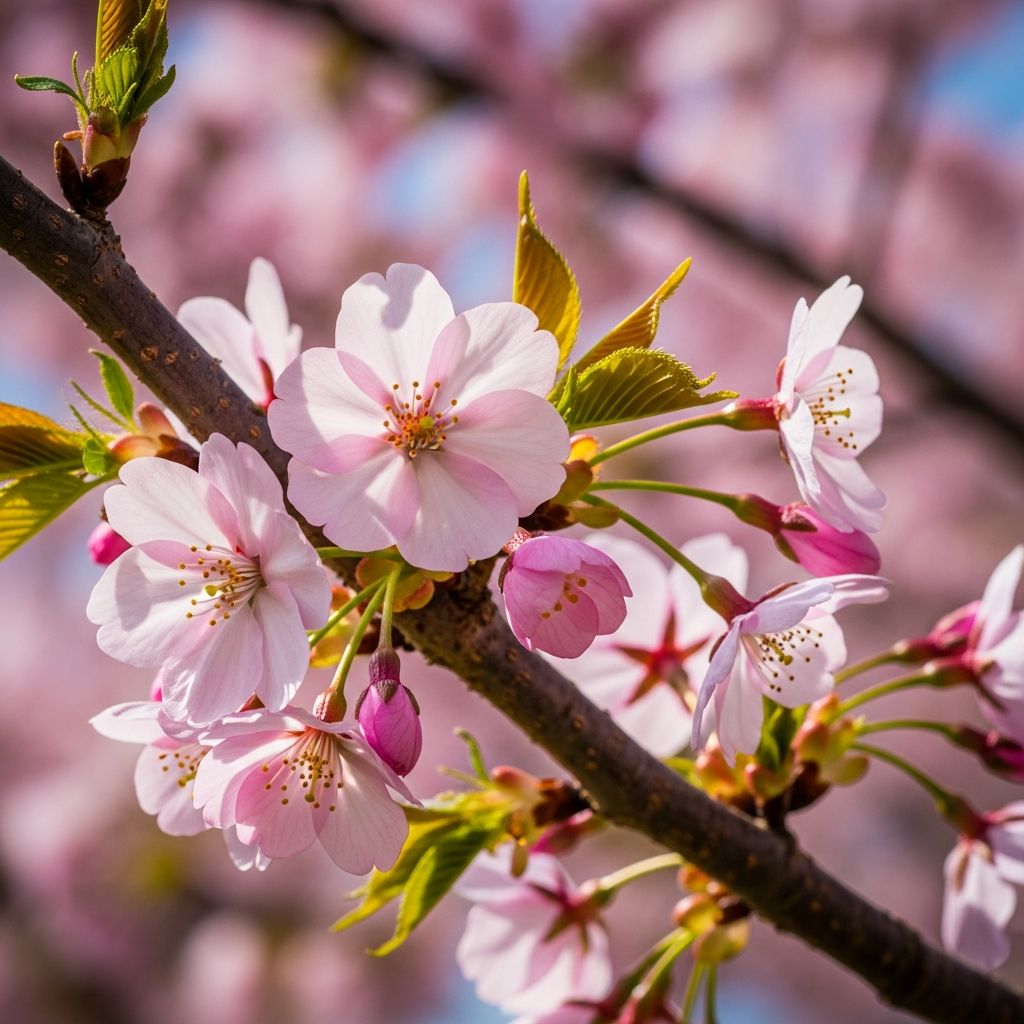
The Yoshino cherry tree, known scientifically as Prunus x yedoensis, stands out as one of the most celebrated ornamental trees for its profuse early spring display of pale pink to white blossoms. Originating from Japan, this hybrid tree has become a staple in landscapes worldwide, particularly famous for lining pathways in places like Washington, D.C. Growing to 30-50 feet tall with a graceful, vase-shaped canopy, it offers not just beauty but also adaptability to various conditions when properly managed. Success with this tree hinges on understanding its preferences for light, soil, water, and minimal intervention.
Selecting the Perfect Location for Your Tree
Choosing the right spot is foundational to a healthy Yoshino cherry. These trees demand full sun, receiving at least six hours of direct sunlight daily to fuel vigorous growth and abundant flowering. Partial shade may reduce bloom quality, leading to sparser displays. Avoid low-lying areas prone to frost pockets, as late spring frosts can damage emerging buds.
Soil quality plays a pivotal role. Yoshino cherries thrive in fertile, loamy soils that are well-draining and slightly acidic to neutral, with a pH range of 6.0 to 7.0. Test your soil and amend heavy clay with organic matter like compost or aged bark to improve drainage and aeration. Sandy soils benefit from added humus to retain moisture without waterlogging.
- Assess sunlight exposure throughout the day.
- Conduct a soil test for pH and nutrient levels.
- Ensure the site allows for mature size: 25-40 feet wide spread.
Step-by-Step Planting Instructions
Timing your planting maximizes root establishment. Opt for early spring after the last frost or fall in mild climates, allowing roots to settle before extreme weather. Container-grown trees transplant easily year-round if kept well-watered.
Dig a hole twice as wide as the root ball but no deeper, preserving the root flare at soil level. Loosen the root ball gently, spreading roots outward. Backfill with native soil mixed with compost, tamping lightly to eliminate air pockets. Water deeply immediately after planting to settle the soil.
| Planting Season | Best Regions | Key Benefits |
|---|---|---|
| Early Spring | Cooler climates | Root growth before summer heat |
| Fall | Mild winters | Establishes before dormancy |
| Container anytime | All zones | Flexible with care |
Apply 2-3 inches of organic mulch in a 3-foot radius around the base, keeping it 2-4 inches from the trunk to prevent rot and pest harborage.
Watering Strategies for Optimal Health
Young Yoshino cherries require consistent moisture to develop deep roots. Water newly planted trees deeply once or twice weekly, providing 1-2 inches of water equivalent, adjusting for rainfall. Focus on the root zone, saturating to 12-18 inches deep. Established trees are mildly drought-tolerant but benefit from supplemental watering during prolonged dry spells.
Employ deep, infrequent watering over shallow daily sessions to encourage resilience. Mulch conserves moisture, suppresses weeds, and moderates soil temperature. In hot summers, inspect soil moisture weekly; wilting leaves signal the need for hydration.
- New trees: 10-15 gallons weekly.
- Mature trees: During drought only.
- Use soaker hoses or tree watering bags for efficiency.
Nutrient Management and Fertilization
Yoshino cherries generally need minimal fertilization if planted in enriched soil. Apply a balanced, slow-release fertilizer (e.g., 10-10-10) in early spring as growth resumes. Spread it evenly under the canopy drip line, avoiding the trunk. Over-fertilizing promotes weak growth susceptible to pests.
For blooming boost, select formulas higher in phosphorus. Test soil annually; deficiencies in potassium or magnesium may warrant targeted amendments. Organic options like composted manure provide steady nutrients without burn risk.
Pruning Practices for Shape and Vigor
These ornamental trees flourish with minimal pruning, maintaining their natural form. Remove dead, diseased, or crossing branches in late winter or early spring post-bloom to avoid bud loss. Use sharp, clean tools for precise cuts just outside the branch collar.
Thinning dense areas improves air circulation, reducing disease risk. Avoid heavy shaping; light structural pruning suffices for young trees. Never prune in fall, as it stimulates tender growth vulnerable to cold.
- Inspect for damaged wood annually.
- Prune after petals drop.
- Disinfect tools between cuts.
Seasonal Maintenance Calendar
Spring Awakening
As buds swell, monitor for frost threats. Fertilize lightly and ensure deep watering amid variable weather. Celebrate the bloom spectacle lasting 1-2 weeks.
Summer Vigilance
Provide extra water in heatwaves. Scout for pests like aphids or Japanese beetles; use insecticidal soap if needed. Mulch refreshment aids drought resistance.
Fall Preparation
Water deeply before ground freeze, especially for young trees. Apply protective mulch. Light pruning for structure.
Winter Protection
Wrap trunks of juveniles with burlap against sunscald and rodents. Avoid piling snow against the base.
Propagation Techniques for Home Gardeners
Expand your collection via cuttings, layering, or grafting. Softwood cuttings in summer root under mist; air layering on branches yields quick results. Grafting onto compatible rootstock ensures vigor.
For layering: Wound a pencil-thick branch, wrap with moist sphagnum moss and plastic. Roots form in 4-8 weeks; sever and pot.
Common Pests, Diseases, and Solutions
Yoshino cherries face peach tree borers, powdery mildew, and fire blight. Promote health through proper spacing and watering at the base to keep foliage dry. Copper fungicides control bacterial issues; remove blighted shoots promptly.
| Issue | Symptoms | Control |
|---|---|---|
| Aphids | Curling leaves, honeydew | Insecticidal soap, ladybugs |
| Fire Blight | Blackened shoots | Prune 12 inches below, disinfect |
| Borers | Oozing sap, dieback | Insecticide sprays, trunk wraps |
Troubleshooting Growth and Bloom Issues
No flowers? Check for excessive nitrogen, late pruning, or shade. Sparse growth signals poor drainage or drought stress. Yellow leaves often indicate iron chlorosis in alkaline soils; apply chelated iron.
Frequently Asked Questions
Can Yoshino cherries grow in clay soil?
Yes, with amendments for drainage like gypsum and organic matter to prevent root rot.
How fast do they grow?
Moderate rate: 1-2 feet per year, reaching maturity in 10-20 years.
Are they deer resistant?
Moderately; buds attract browsing, so use repellents or fencing for protection.
What USDA zones suit them?
Zones 5-8, tolerating cold to -20°F once established.
Do they produce fruit?
Minimal, inedible black drupes that drop messily; grown purely ornamental.
With diligent care, your Yoshino cherry will reward you with decades of ethereal beauty, enhancing any garden as a living testament to nature’s elegance. Adapt these practices to your local climate for best results.
References
- Prunus x yedoensis (Yoshino Cherry Blossom) — Gardenia.net. 2023. https://www.gardenia.net/genus/prunus-yedoensis-yoshino-cherry-tree
- How to Plant, Grow and Care for Yoshino Cherry Tree — Planet Natural. 2024. https://www.planetnatural.com/yoshino-cherry-tree/
- Planting a Yoshino Cherry Blossom Tree — Pretty Purple Door. 2022. https://www.prettypurpledoor.com/yoshino-japanese-cherry-blossom-tree/
- Yoshino Flowering Cherry | How To Care And More — PlantingTree. 2024. https://www.plantingtree.com/blogs/gardening/yoshino-flowering-cherry
- Yoshino Cherry — Arbor Day Foundation. 2025. https://shop.arborday.org/yoshino-cherry
Similar Articles





Read full bio of medha deb